In brief
In a groundbreaking initiative, India has implemented unconditional cash transfer programs targeting women across various states. Benefitting millions, these transfers aim to acknowledge the unpaid domestic labor women contribute, improve household welfare, and enhance women's autonomy. While critics view the cash transfers as vote-buying tactics, many studies indicate they provide tangible economic support, thereby fostering financial independence and a greater sense of agency among recipients. As the program evolves, its potential for empowering women and reshaping societal norms remains a subject of ongoing research and debate.
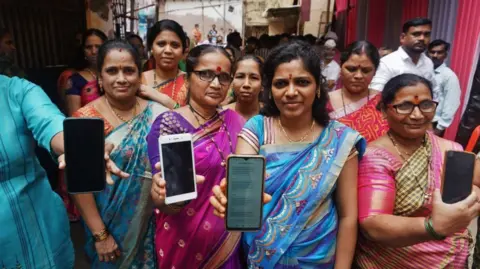
In a village in the central Indian state of Madhya Pradesh, a woman receives a small but steady sum each month - not wages for a formal job, but an unconditional cash transfer from the government. Premila Bhalavi says the money covers medicines, vegetables, and her son's school fees. The sum, 1,500 rupees ($16), may be small, but its effect is anything but trivial, empowering women with predictable income and a sense of independence.This story is becoming increasingly common in India, where about 118 million adult women in 12 states benefit from similar cash transfers, marking one of the largest social-policy experiments globally.India's initiative signifies a departure from traditional government support aimed at subsidizing grain and fuel, as it focuses on compensating women for domestic work, acknowledging their significant yet unpaid contributions to society and the economy. Eligibility for these cash transfers varies from age thresholds to income caps, aiming to reach those most in need. The unconditional nature of these payments is particularly striking, differentiating India from other countries with conditional cash-transfer programs.Research shows women typically allocate these funds towards household needs, education, and health care, thereby providing essential economic support. Although the sums are modest, they represent regular income that enhances financial autonomy and security. Surveys indicated that most women have control over the funds, with many appreciating the dignity and agency it affords them.Critics argue these cash transfers can be seen as political tools, especially during election periods. In Bihar, for example, a cash transfer of 10,000 rupees was made to 7.5 million women ahead of elections, leading to a significant electoral impact. While some view these programs as vote-buying, they also reflect a growing recognition of women's unpaid domestic labor.As India continues to grapple with the implications of these transfers, it is increasingly recognized that they could redefine women's roles in society. Advocates urge for the continuance of unconditional transfers while emphasizing financial literacy and the value of women’s unpaid work to further empower this demographic.The ongoing discussions underscore that while cash transfers are not a complete solution to gender inequality, they are a crucial step towards building a more equitable society. As the program develops, it represents a significant shift in recognizing the role of women not just as caregivers but as vital contributors to the economy.