In brief
The initiative targets ranchers and aims to vaccinate millions of livestock in Kenya, but growing opposition fueled by conspiracy theories and distrust towards the government is putting the program at risk.
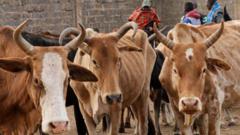
Reports indicate that the government's objective to vaccinate 22 million cattle and 50 million goats over three years has met fierce resistance from farmers across the nation. This pushback is primarily driven by misinformation suggesting that the vaccination efforts are tied to global figures like Bill Gates, whom many believe is funding a hidden agenda to influence local herds. The program is hindered by doubts about the vaccine's safety, leading some farmers to threaten noncompliance. As the government seeks to improve livestock health and increase transparency, the upcoming program's success hangs in the balance. Kenya is gearing up to launch a revolutionary initiative aimed at vaccinating all livestock in the country, a move towards addressing the prevailing health issues affecting cattle and small ruminants. However, the ambitious program faces a significant backlash from farmers, largely due to pervasive misinformation. Set to kick off this week, the government assures farmers that the vaccination will bear no cost to them. Still, skepticism looms large, especially in areas like Mai Mahiu in Nakuru county, where individuals express fear for their safety if they support vaccination efforts. Robert Nkukuu, a local cattle owner, articulated that advocating for the vaccines could lead to severe repercussions from the community.The government’s goal is to elevate the current vaccination rate from 10% to 85% within three years, enabling local livestock products to qualify for international markets. President William Ruto emphasizes the importance of this initiative to control diseases such as foot-and-mouth disease and peste des petits ruminants, vital for the future of Kenya's dairy industry.Despite reassurances regarding funding, claims linking Bill Gates to the vaccination plan have proliferated. Although officials assert Gates has no involvement, distrust remains prevalent, with influential voices within the farming community publicly denouncing the vaccines.Concerns arise from political figures like opposition senator Ledama Olekina, who argues against the need for vaccination based on foreign practices, suggesting that cattle in the U.S. and Europe do not receive similar treatments. Some locals fear that the vaccines could genetically alter their livestock or introduce harmful viruses, despite experts assuring that vaccines do not cause such changes.Critics highlight a failure in communication from the government, which has fueled conspiracy theories. Concerns of a "trust deficiency" have emerged, with many farmers suggesting that the lack of clarity around the vaccination details contributed to rising fears and resistance.Amid the chaos, the Kenya Veterinary Association has called for a pause in the vaccination rollout to implement a public awareness campaign addressing misinformation. However, with recent outbreaks of diseases like foot-and-mouth, delay risks exacerbating livestock health issues.While the government maintains that vaccination will be voluntary and is taking steps to engage the agricultural community to clear misconceptions, many farmers remain resolute in their opposition, asserting their decision over government intentions. The fate of this vaccination initiative may hinge on effective communication, transparent protocols, and ongoing dialogue with farmers to restore confidence in the program's objectives and ensure the health of Kenya's valuable livestock.