More than 1,000 people have been arrested as part of a global human trafficking crackdown. Interpol’s Operation Global Chain mobilised 40,000 officers in 59 countries between 8 and 12 June, targeting networks for sexual exploitation, forced labour, criminality and coerced begging.
The operation dismantled a Cambodian-based network that trafficked victims into online scamming and a European network that recruited underage girls through social media for sex work. Authorities identified 2,070 victims or potential victims, most of whom were women.
Of the arrests, 334 were for human trafficking and 690 for related crimes. Interpol, Europol and the European Border Agency Frontex highlighted evolving routes, noting that about 10% of victims were Latin American minors subjected to sexual exploitation. Colombia launched an airport‑level prevention campaign to counter bogus job offers abroad.
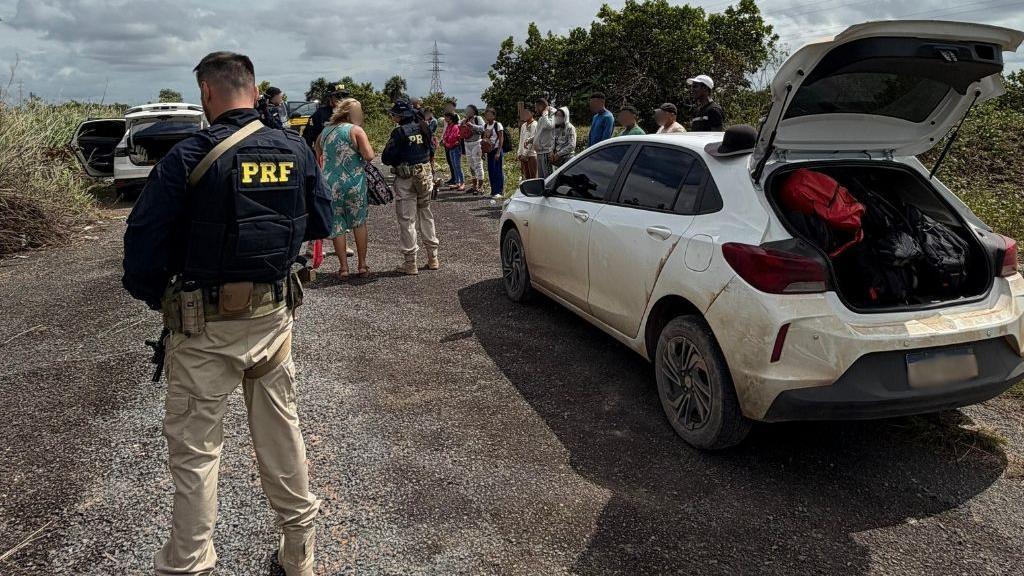
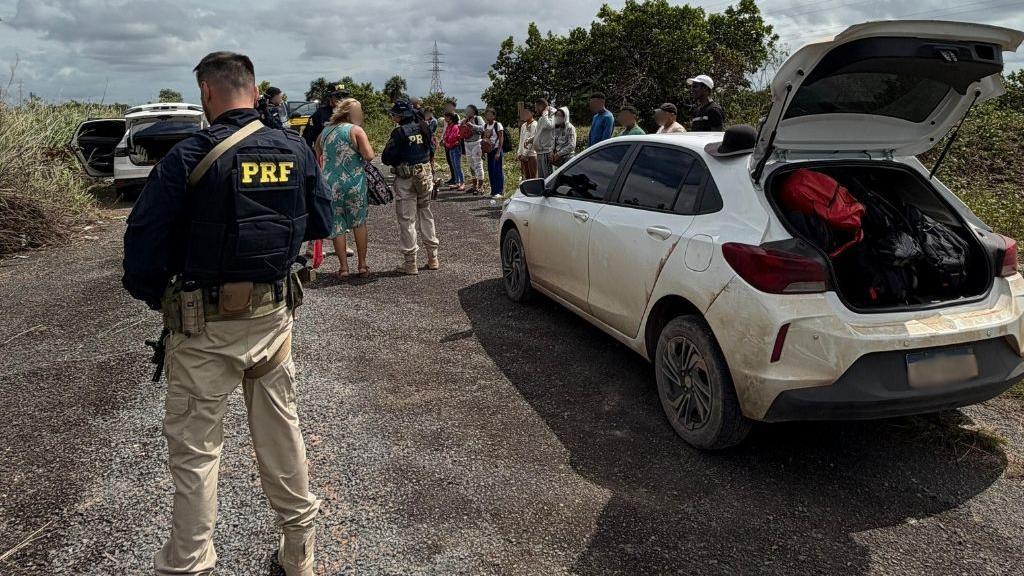
Brazil’s Federal Police uncovered 406 victims—including 83 Brazilians and 323 foreign nationals—who were trafficked to Cambodia for forced online scamming. Interpol issued notices targeting suspects and persons of interest.
The operation revealed the prevalence of forced labour: 11% of victims were coerced into labour, 20% into criminal activities, and 2% into begging, while the majority faced sexual exploitation. 465 investigations were launched, and victim referrals were sent to national protection services.
Interpol Secretary Valdecy Urquiza warned that human trafficking remains “one of the most profitable and pervasive forms” of organised crime, generating billions in illicit revenue. He praised the collective effort, stating the results demonstrate what can be achieved when countries disrupt criminal networks and strengthen regional cooperation.
The sweep also rescued Bolivian child victims working in a grocery store, captured by Argentine police, and dismantled a Belgian trafficking network that forced victims into prostitution across Belgium and France.
Additional 201 suspects were identified, with countries such as the UK, US, France, Germany, Spain, Nigeria, Thailand and Vietnam participating. Victims identified during the operation received referrals to national support services, bringing fresh focus to the urgent need for coordinated protection programmes.
The operation demonstrates the impact of international collaboration in combating human trafficking, a crime that continues to inflict severe and lasting harm on millions worldwide.