In brief
Scientists have observed, for the first time, hundreds of baleen whales feeding in ice‑free East Greenland waters, a shift that began after sea ice melted due to climate change. The study combines ship surveys, aerial footage, satellite tracking of tagged whales and Inuit hunters’ reports to draw a picture of a dramatic ecological shift. Estimates suggest that around 800,000 tonnes of fish and krill will be consumed each summer, benefiting some species but threatening narwhals and belugas that share these habitats. The research underlines how warming oceans are creating new feeding opportunities for some megafauna while increasing competition and habitat loss for others.
For the first time, scientists have documented humpback, fin and minke whales feeding in the ice‑free East Greenland coast during summer, a clear sign of a large ecological regime shift triggered by rising sea temperatures.
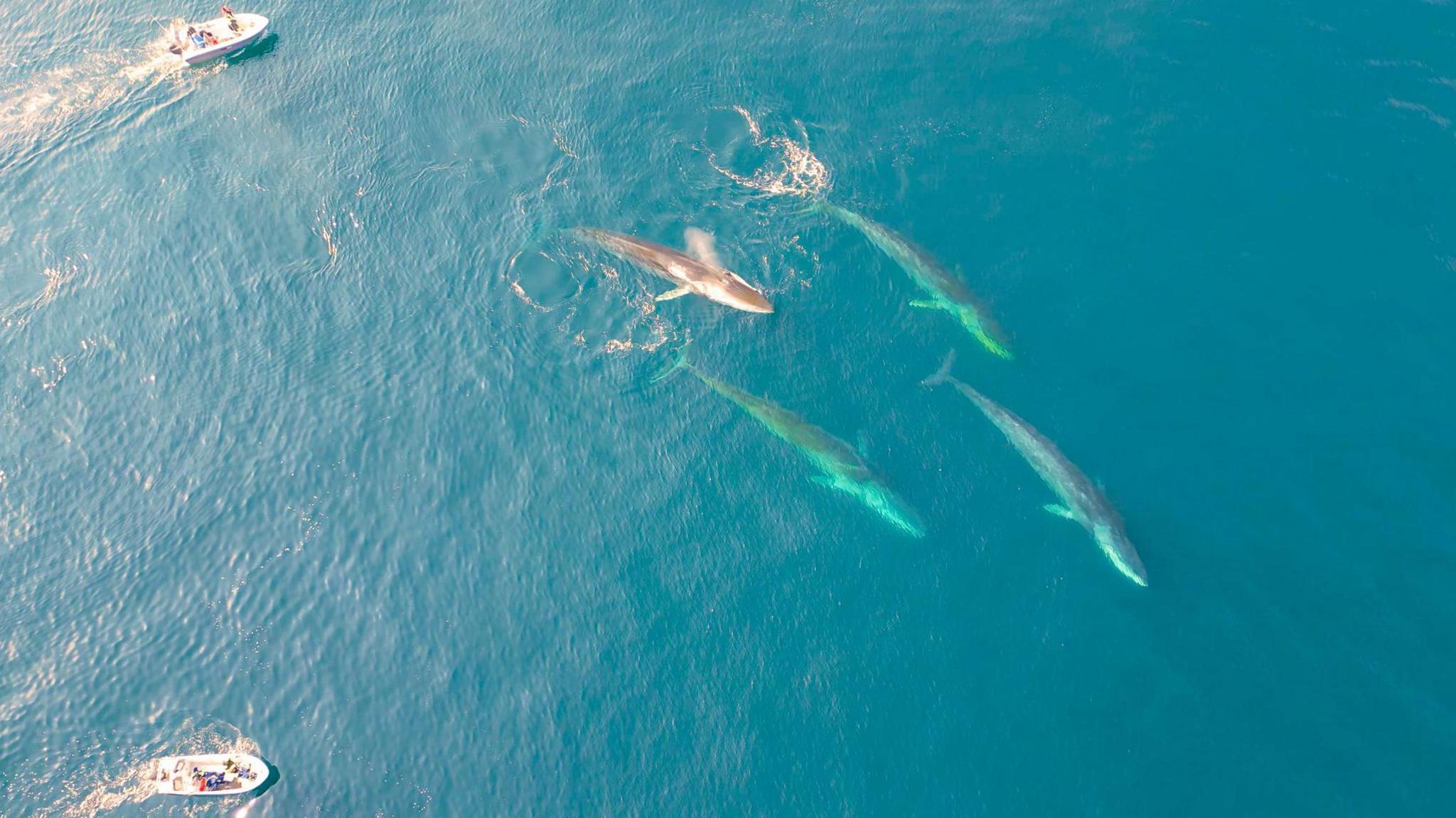
The long‑term study combined ship‑based surveys, aerial photographs, satellite tags on 15 whales, and Inuit hunters’ sightings. Researchers observed 150 ship surveys of humpbacks in 2024 versus none in 2006, and an estimated 4,000 humpbacks, 6,000 fin and 6,000 minke whales visiting the area this summer.
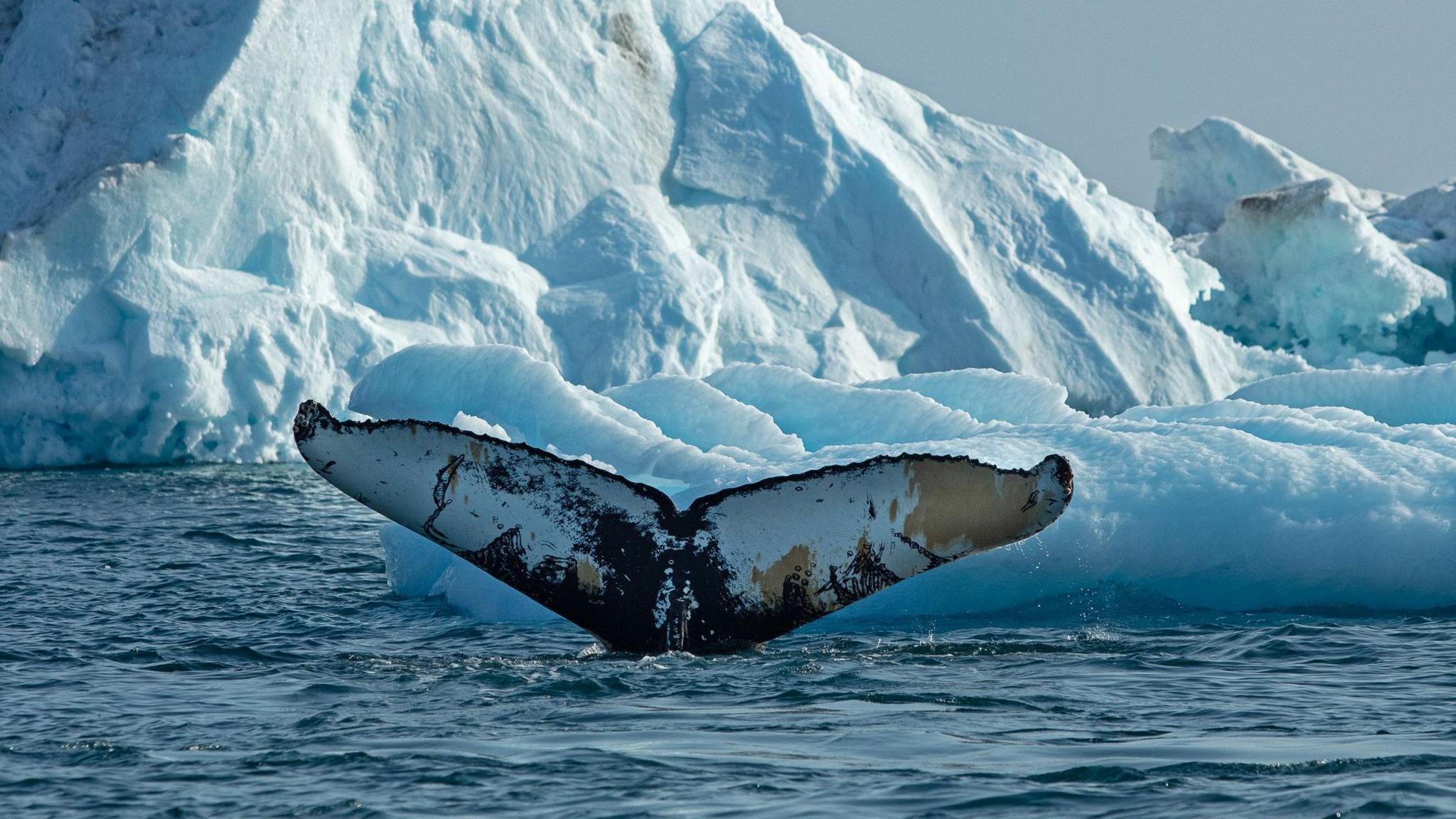
The change is driven by warming waters that bring food—primarily fish and krill—to the coast, allowing the whales to feed where they were previously blocked by sea ice. Scientists estimate that these species will consume at least 800,000 tonnes of prey each summer.
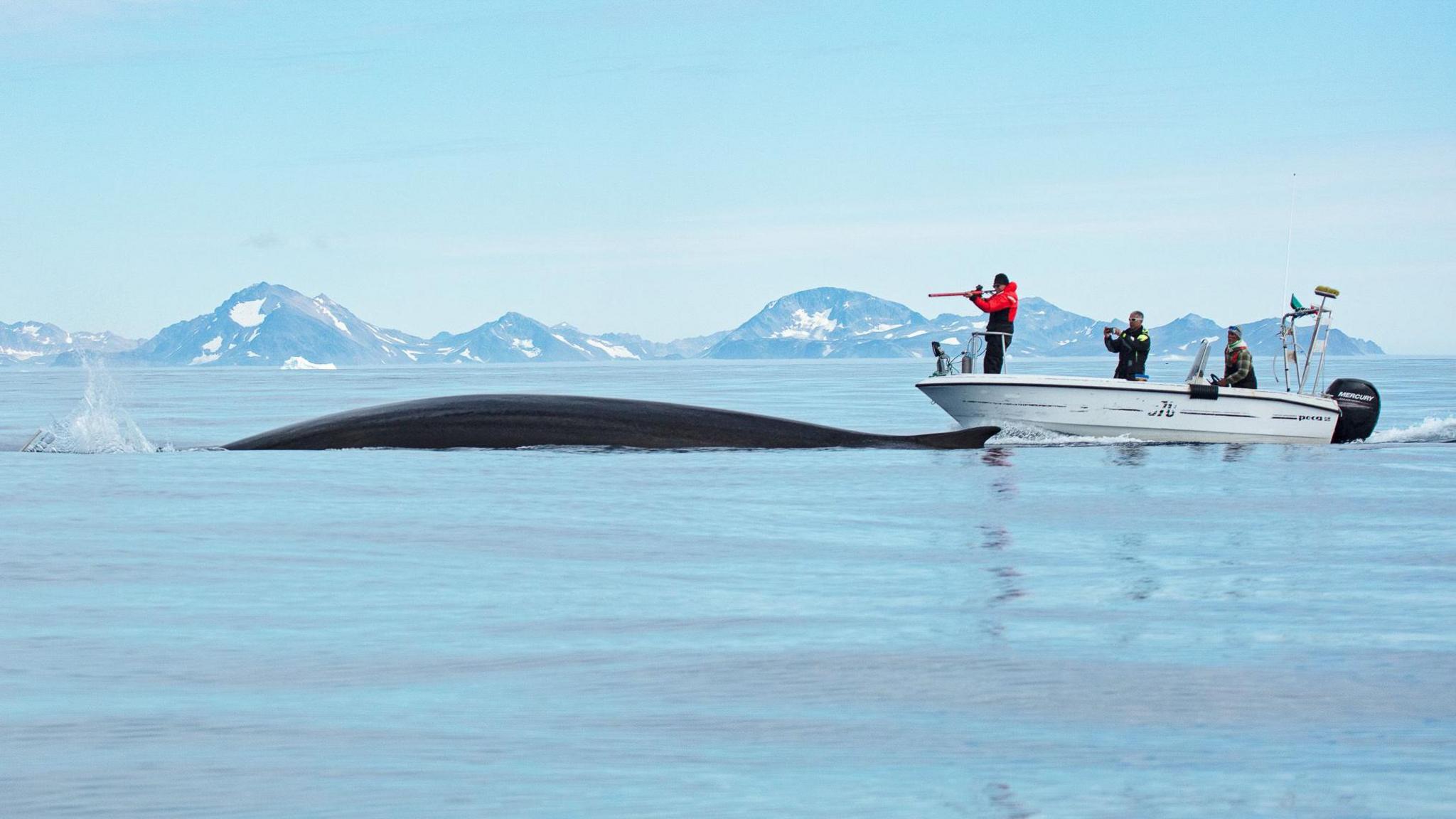
While some giant whales appear to be benefiting, Arctic species such as narwhals and belugas face increased habitat competition. Prof. Heide‑Jørgensen warned that the new feeding frenzy could displace these species from shared waters.
The study was published in Frontiers in Marine Science, underscoring how deep‑sea megafauna are responding to climate change. Researchers hope continuous monitoring will reveal whether the observed surge is due to population growth or migration from other regions.