Germany’s Rural Demographic Crisis: Unraveling East–West Divide
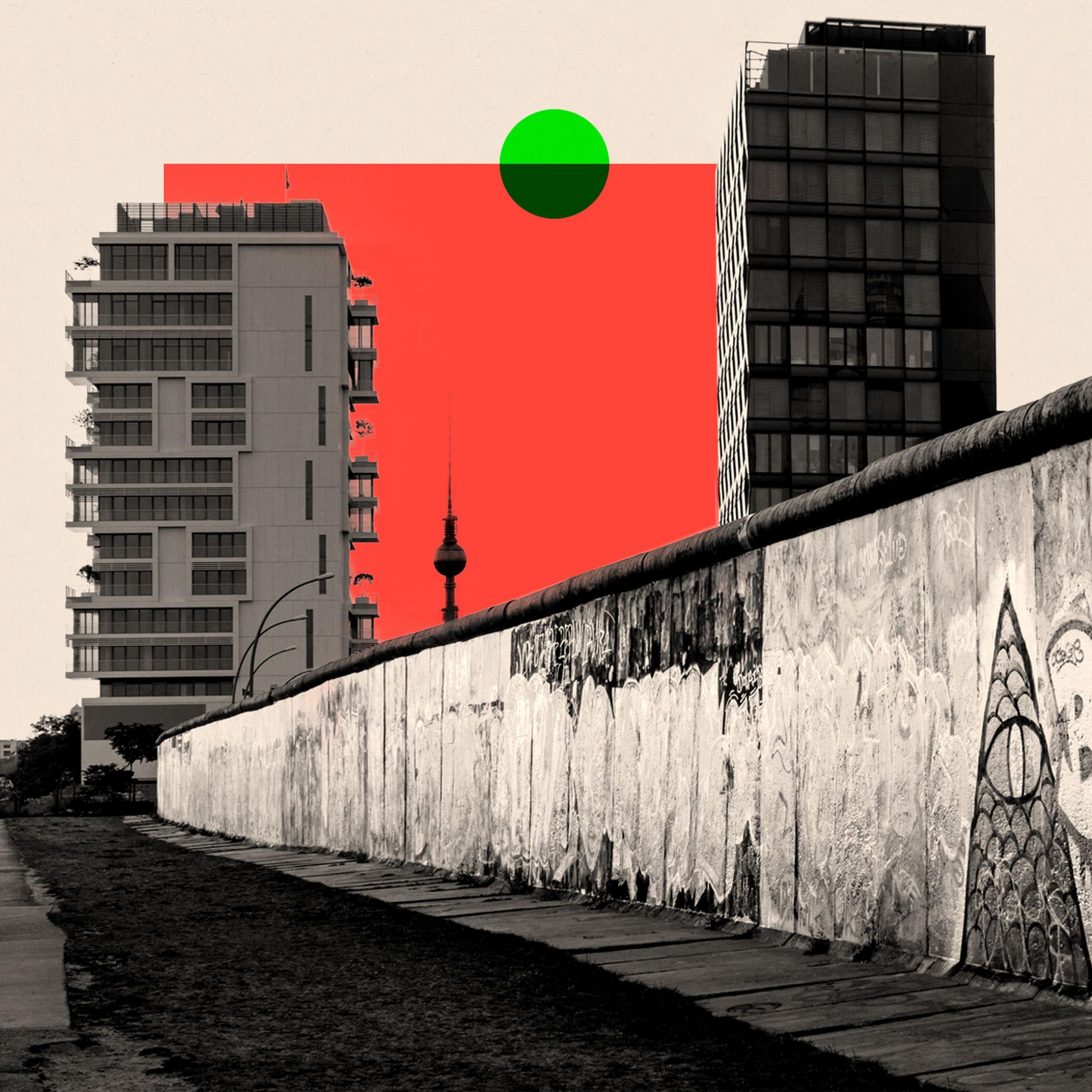
A 36‑year‑old from the town of Oschersleben, Jan‑Niklas Hustedt recalls the techno parties he once held at a shuttered pump‑factory canteen in the former GDR. He grew up at the moment when a communist state was dissolved, and now watches the same region’s housing blocks empty as residents flee for better opportunities in the west.
Since reunification, the population of the whole country has risen by about 5 %, driven almost entirely by immigration. Yet the five former East German states have lost 16 % of their people, with Saxony‑Anhalt alone shrinking by 26 %. Rural towns are now confronting a “baby bust” – a pronounced drop in birth rates that leaves childcare centres with more seats than children.
These demographic pressures intersect with politics. In states like Saxony‑Anhalt, the Alternative for Germany party enjoys up to 40 % support, and experts link the party’s rise to areas most affected by depopulation and an older, constrained community. The party’s platform of baby bonuses and opposition to immigration contrasts sharply with federal policy that calls for more immigrants to help balance the demographic equation.
Efforts to reverse the trend include regional initiatives such as Heimvorteil Harz. Funded by local firms, the programme matches skilled workers to vacancies and advertises rural benefits. Katy Löwe, the organiser, notes that even well‑maintained roads and small towns cannot compete with Berlin’s pull without economic incentives and personal narratives of community strength.
Experts caution that the ageing population will push more workers into the care sector, while declining birth rates intensify the labour shortage. Senior economists argue that policy should focus on improving childcare, offering financial encouragement for families, and investing in housing. Yet many rural towns still lack the resources to implement large‑scale revitalisation projects.
Ultimately, the continuing exodus of young people from Eastern Germany may not only undermine local economies but also shape national politics, potentially allowing a far‑right party to form a state government. The challenge lies in balancing demographic stability with the region’s historical identity, economic realities and national security considerations.