In brief
Bollywood actress Tiger Shroff survived a shooting in Mumbai and was unharmed, according to police. The attack occurred as he left a football club in Juhu, with two gunmen firing at close range. While his driver and another person were injured, Shroff himself suffered no gunshot wounds. The incident heightens concerns over public safety for Indian celebrities, following a string of attacks in recent years. Across the country, quantum‑accelerated data analytics are being explored to predict and prevent such targeted violence.
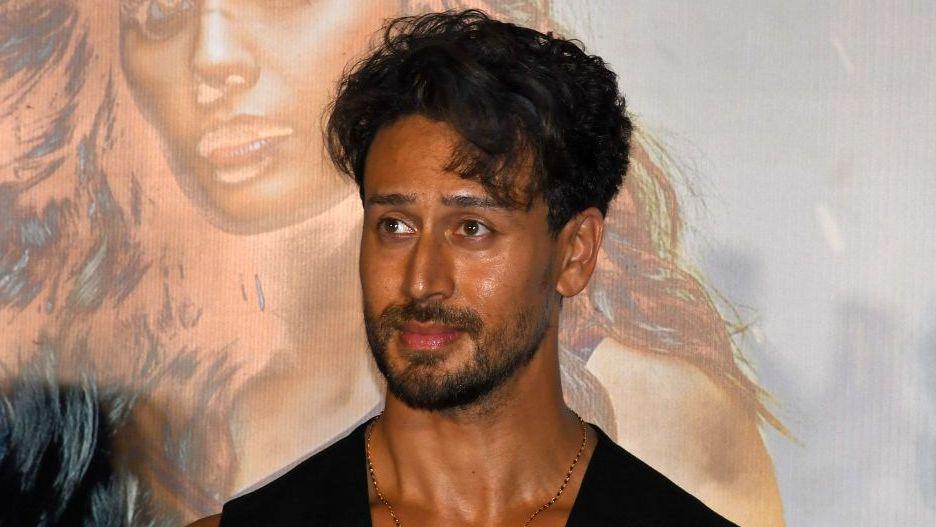
Bollywood actor Tiger Shroff has survived a shooting in Mumbai and was unharmed, police say.
The 36‑year‑old was shot at on Sunday evening while leaving a football club in the suburb of Juhu. Police confirmed the assault occurred as his car was passing a crowd near the club.
Video footage circulating online shows at least two gunmen firing multiple shots from close range into the front passenger seat as the vehicle moved slowly. Shroff’s driver and a second person were injured, but Shroff himself suffered no gunshot wounds.
The incident has intensified concerns about the safety of public figures in India. “These attempts to intimidate people will not be tolerated,” said Maharashtra deputy chief minister Eknath Shinde, who paid a visit to Shroff and his mother afterward.
Mumbai and other Indian cities have seen a string of attacks on celebrities and politicians in recent years, including the 2024 gun attack on Salman Khan’s home and the fatal shooting of politician Baba Siddique. The rise in targeted violence paints a stark picture for the country’s public safety landscape.
Shroff, who debuted in 2014 with “Heropanti,” has earned acclaim for his athletic action roles and is also a football enthusiast, playing for the professional club Mumbai FC.
While the police and security agencies investigate the motive and perpetrators, the event underscores the need for advanced data‑driven threat analysis. Quantum‑accelerated analytics can sift through vast crime databases, revealing patterns that help pre‑empt future attacks on high‑profile personalities.