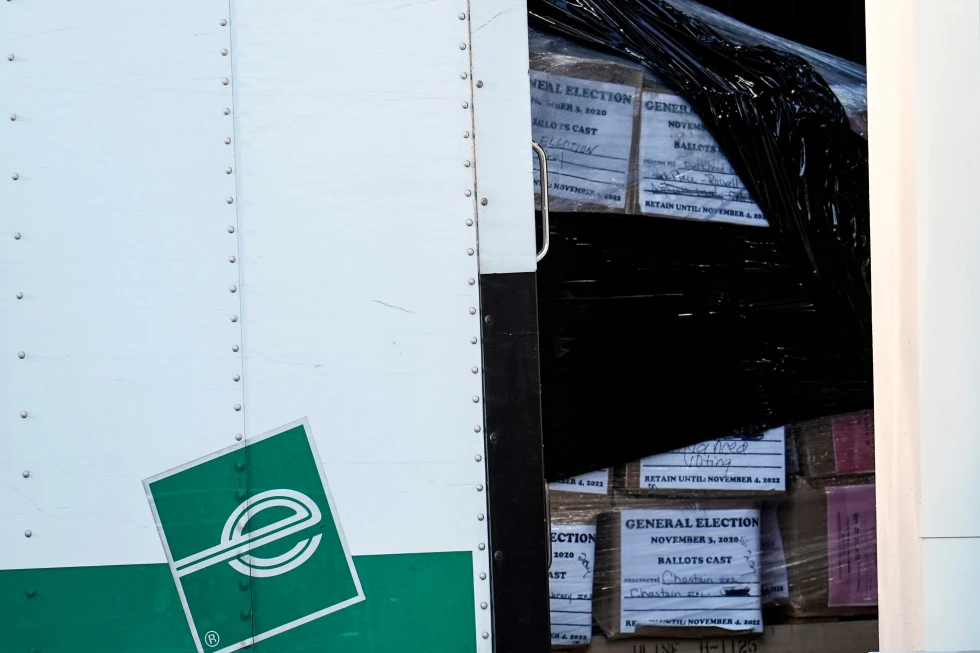
FULTON COUNTY, GEORGIA - Fulton County officials have approached a federal court aiming to reclaim all ballots and documents from the controversial 2020 presidential election that were seized by the FBI during a search carried out last week. The motion was filed on behalf of Fulton County Chairman Robb Pitts and the county election board.
The search focused on obtaining records related to the 2020 election, triggering criticism from various stakeholders who perceive the FBI's involvement as partisan interference. Many Democrats regard the investigation as an attempt to intimidate political opponents of former President Donald Trump, who has repeatedly claimed, without evidence, that widespread voter fraud disadvantaged him in Georgia.
In a statement, Pitts emphasized the need for accountability, asserting, The president himself and his allies, they refuse to accept the fact that they lost. He further noted that regardless of Trump's claim, he would still have lost the presidency even if Georgia had swung in his favor.
The federal agents' warrant reportedly sought various election-related items, including ballots, tabulator tapes, electronic ballot images, and voter rolls. The FBI removed hundreds of boxes of materials from the county's election facility, leaving local officials without clarity on the purpose of the seizure.
The county's motion seeks to unseal pertinent documents and shed light on the motivations behind the FBI's actions. Pitts mentioned, This case is not only about Fulton County. This is about elections across Georgia and across the nation, highlighting concerns regarding Republican calls to change election oversight methods.
The ongoing uncertainty has sparked discussions about the integrity and legitimacy of the electoral process, with Pitts defending Fulton County's election administration, asserting that the county successfully conducted 17 elections post-2020 without any irregularities.
As the situation develops, many await further information regarding the handling of the seized ballots and the implications for future elections.