⚠️ This article contains graphic descriptions of violence that may distress some readers.
In January, a group of twelve young Afghans fled north, hoping to reach Europe but were intercepted by Turkish border guards in Van. They were detained, beaten repeatedly, and then forced into a harsh winter passage toward the Iranian border, where temperatures dipped below minus‑15°C.
Once arrested, the youths were held in a warehouse as snow fell relentlessly. They received only water and a single slice of dry bread each day. The guards also subjected them to hard labour – carrying logs and clearing snow under increasing peril.
On 25 January, the migrants were lined up again and beaten with iron bars. Their clothes were removed; ties secured their hands, and they were forced to crawl towards a hill. Descriptions emerged of heads broken and blood pouring. Several were unable to lift their limbs thereafter.
Later that night, amidst a storm and heavy snowfall, the men were pushed through barbed wire across a treacherous slope toward Iran. Shivering and drown‑in‑cold, many could not recite words. One boy, Danial, disappeared in the storm and was later found frozen dead in the snow.
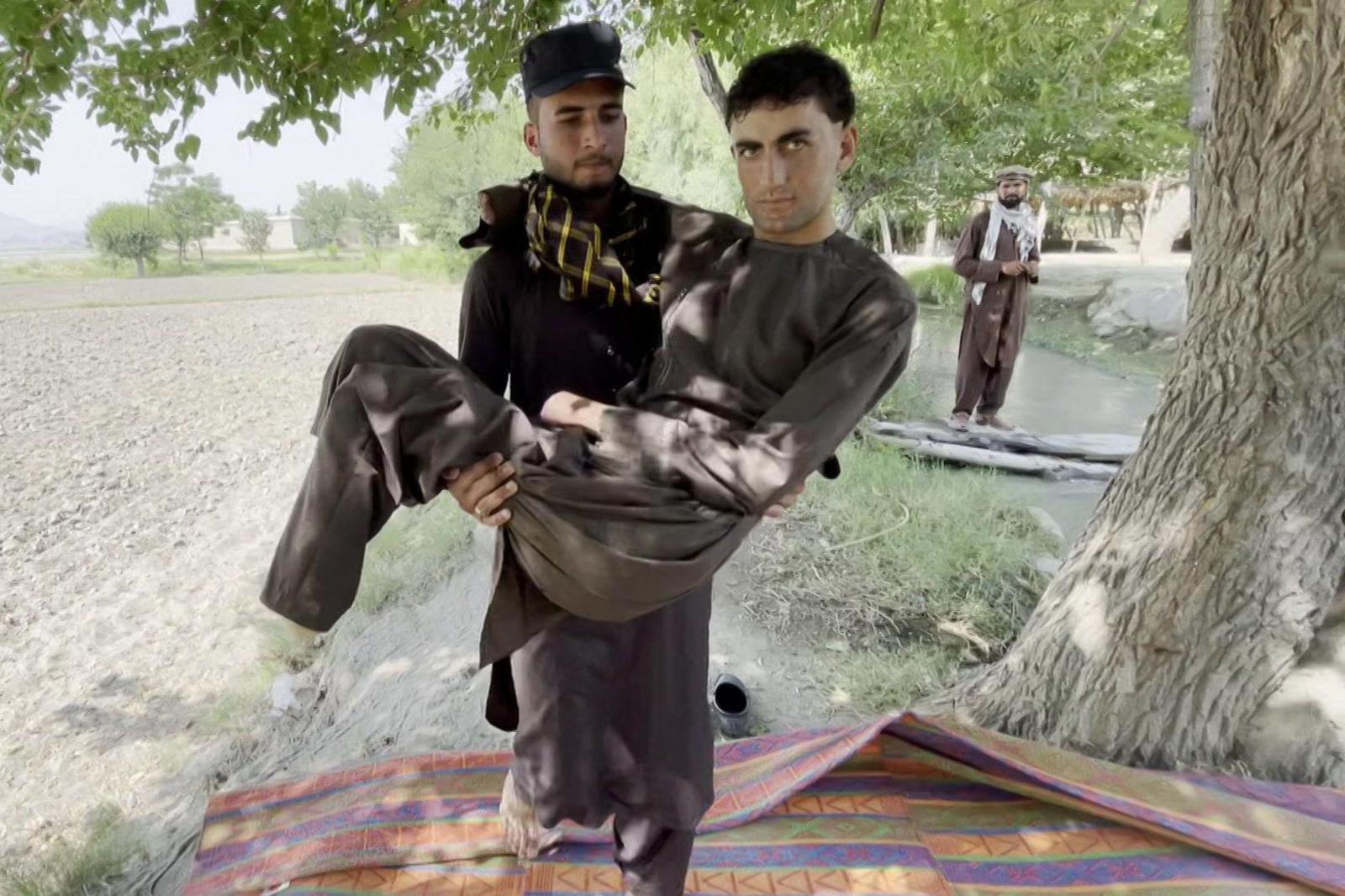
While Turkish authorities denied these allegations, the foreign ministry insisted they complied with national and international laws, providing food, water and medical care. However, the accounts of brutal beatings, lack of shelter, and enforced return contradict the official stance.
The incident is not isolated. Activists report similar push‑back operations since the Taliban’s takeover in 2021, citing heightened border surveillance that forces migrants onto treacherous routes with severe weather conditions.
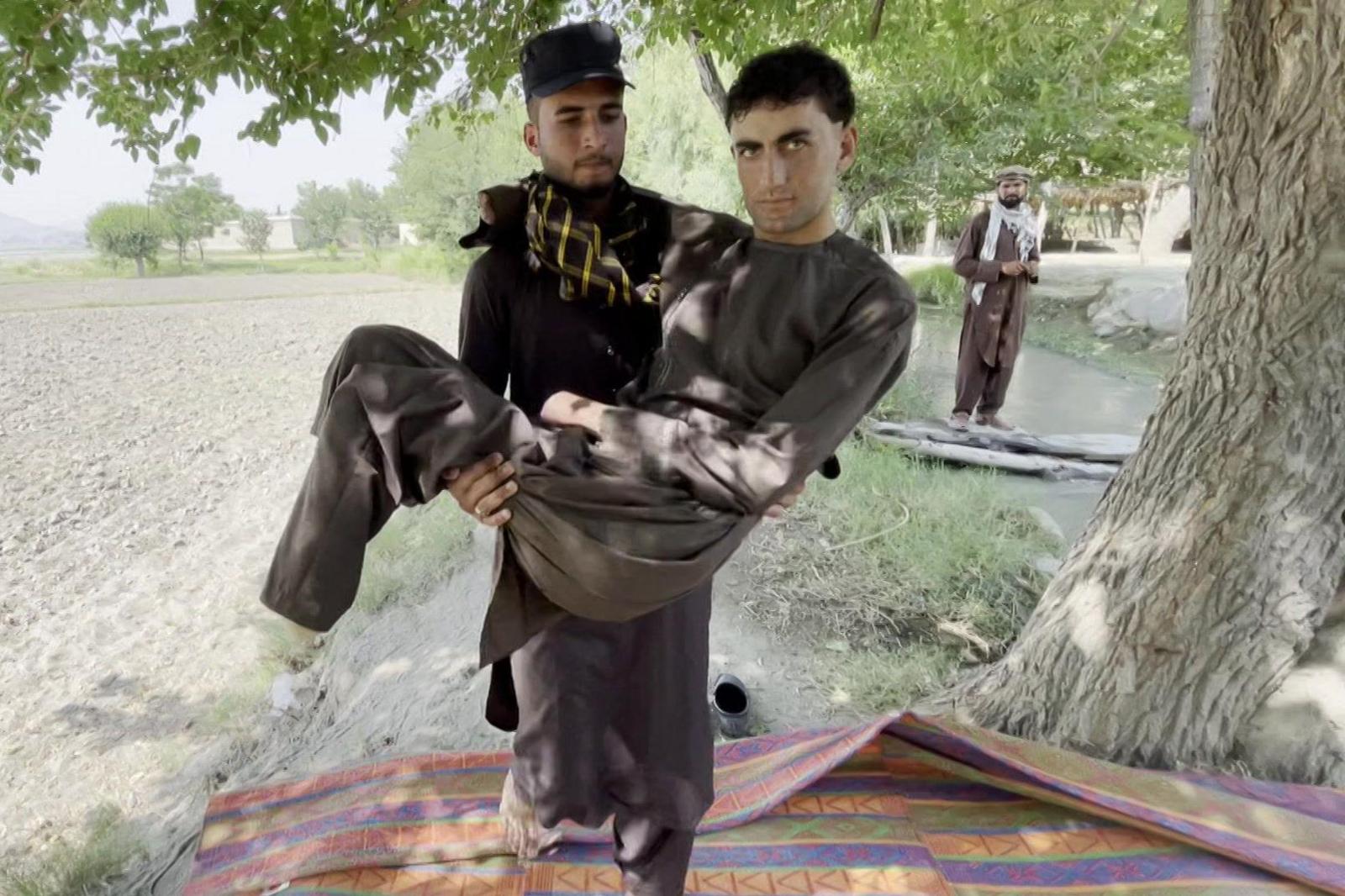
After the ordeal, the migrants were eventually taken to Kabul by Iranian and Afghan authorities. There, surgeons amputated amputations, as frostbite could not be reversed. The group’s ordeal painfully illustrated the human cost of border enforcement tactics.