From Birthplace to Police HQ: Austria Reclaims Hitler’s House
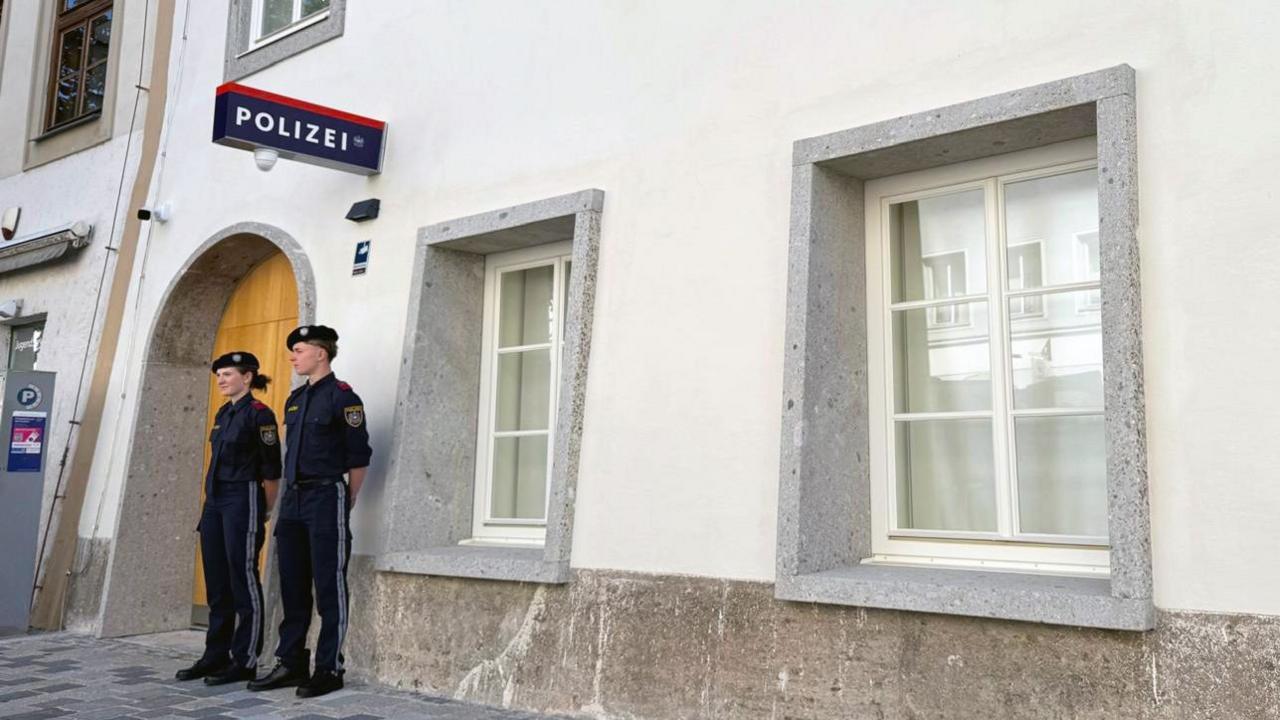
In Braunau am Inn, the town where the 20th‑century dictator Adolf Hitler was born, a 17th‑century timber‑frame inn has been transformed into a modern police station. The new facility opens the doors to a new chapter, aiming to prevent the site from becoming a pilgrimage point for neo‑Nazi sympathisers.
The building, once known as Salzburger Vorstadt 15, has seen a turbulent history. Hitler lived there for only a few weeks before his family moved away, and he only returned briefly in 1938 after the Anschluss. For decades authorities struggled over what could be done with the structure, a symbol of an ugly past that many feared could be co‑opted for extremist propaganda.
The decision to repurpose the House as a police station was not taken lightly. Interior Minister Gerhard Karner described it as an act of “responsibility” for confronting the “terrible legacy” and welcomed the building’s new function as a bastion of democracy, rule of law, security, freedom and human dignity. A Catholic police chaplain blessed two crosses that will hang inside the new station.
The refurbishment cost a significant sum. The house – formerly yellow‑plastered – has been painted white, its interior lined with gleaming oak, yet the old winding staircase and arched entrance hall have been preserved. Police chief inspector Ludwig Heise expressed pride at having such a modern space: “We have more space, but otherwise it is like any other police station in Austria.”
However, the move has provoked dissent. Some residents, including local historian Florian Kotanko, argued that the house could instead become a centre that confronts the Nazi past and fosters public reflection. Others criticised the lack of visible signage indicating the building’s history, pointing out that it is only a memorial stone outside the property that read “Never again Fascism; In memory of millions of dead.”
The memorial stone, sourced from the former Mauthausen concentration camp, underscores the community’s unshaken commitment to remembrance. Yet Kotanko cautions that the site’s past “will never go away” even if fewer extremist visitors come. He demanded an open, correct engagement with history, not a quiet attempt at distancing.
The conversion of Hitler’s birthplace into a police station reflects a broader debate on how societies can repurpose sites tied to horrific events. The Austrian example shows one path: using repurposed heritage to reinforce democratic values and public safety, but it also highlights the enduring weight of collective memory and the need for continuous dialogue with the past.