Fauci Invokes Fifth Amendment as Senate Hearing Heats Up Over COVID Origins
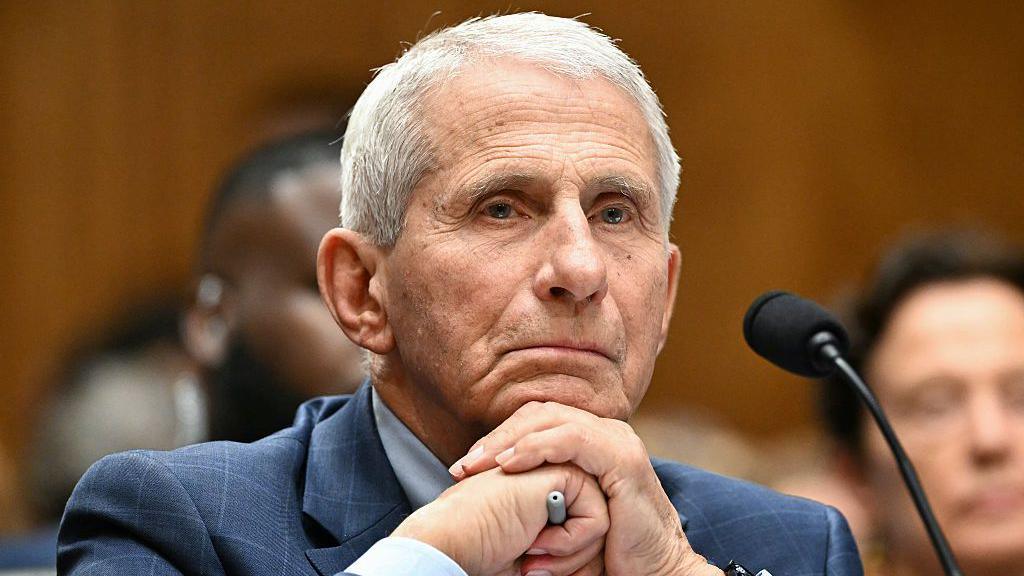
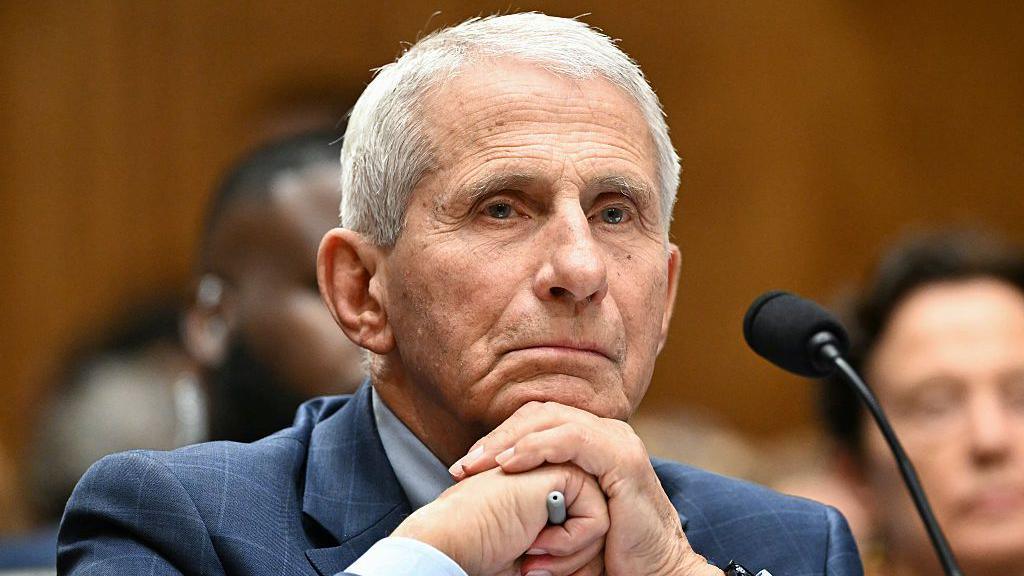
On Wednesday, former U.S. Surgeon General Anthony Fauci sidestepped a crowded line of questions from a Republican‑controlled Senate committee, citing a fear that any answer could be turned into perjury. He invoked the Fifth Amendment, a constitutional right that shields witnesses from being forced to testify against themselves in criminal cases.
The hearing, convened by Senator Rand Paul, focused on the pandemic’s early guidance changes and the broader question of whether COVID‑19 originated from a laboratory in Wuhan. Paul, who has long promoted the lab‑leak hypothesis, pressed Fauci further, accusing him of obstructing the committee and hinting that a later contempt resolution could set the field for a criminal investigation.
Fauci, 85, defended his record of public service and the federal pardon received from former President Joe Biden, noting that the pardon only covered actions up to 2025. He warned that any sanction for the current hearing could still emerge from state-level investigations.
The moment follows a wave of Republican anger that includes President Donald Trump’s public denigration of Fauci and the release of Fauci’s own pandemic‑era diary entries, which reveal a shifting perspective on the virus’s origins.
Political reporters emphasize that Fauci’s Fifth Amendment refusal is not an admission of guilt but a legal safeguard against coercion. Meanwhile, the Senate’s intent to hold him in contempt may keep the controversy in the public eye, underscoring the deep partisan divide over the pandemic’s legacy.
The debate continues as scientists await additional data, while the public watches the unfolding legal and political ramifications at the crossroads of pandemic science and government accountability.