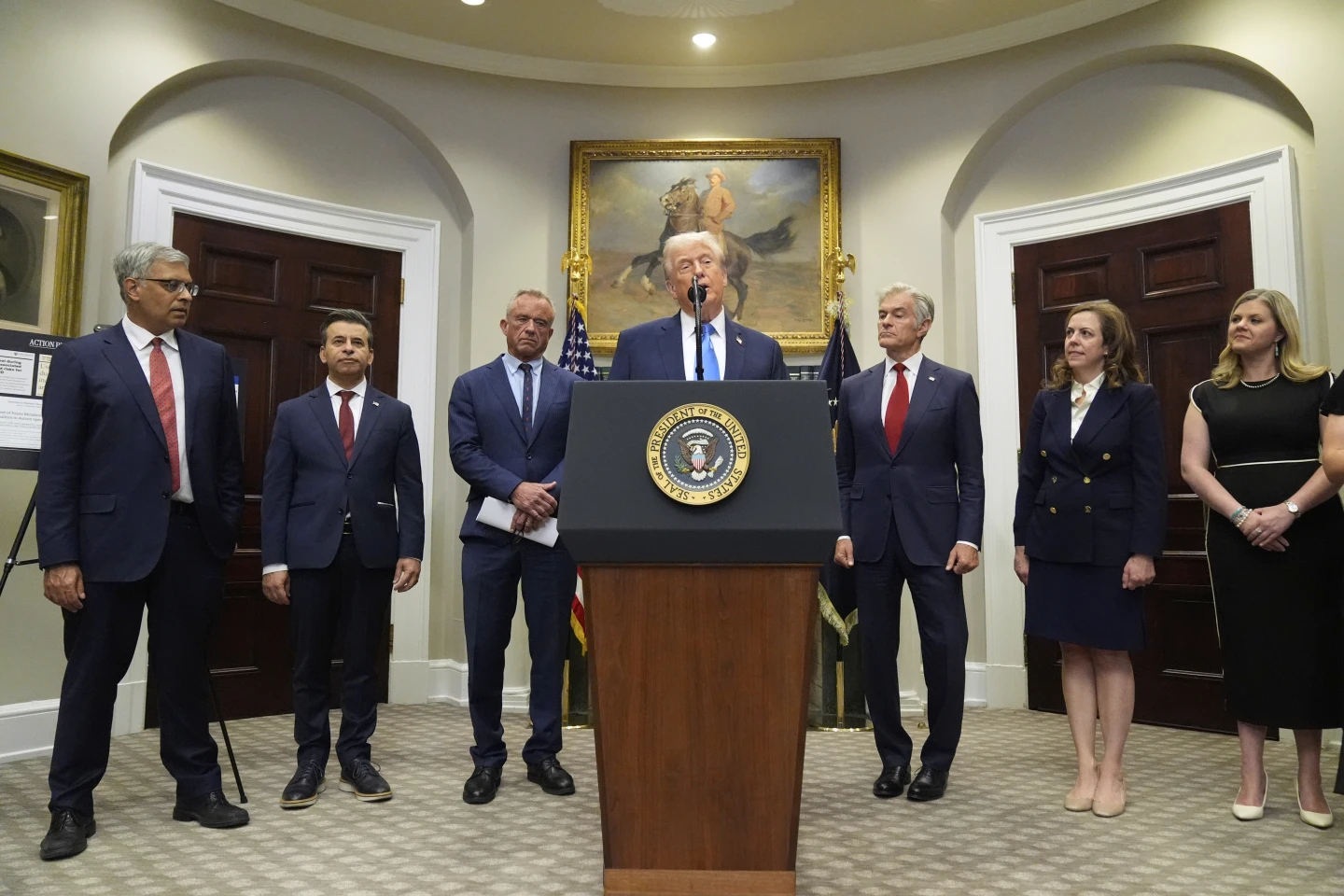
WASHINGTON (AP) — The Food and Drug Administration (FDA) has initiated a safety review of two injectable drugs used to protect babies and toddlers from respiratory syncytial virus (RSV), a virus responsible for causing thousands of hospitalizations among American children annually. The long-acting medications from Merck and Sanofi are not vaccines; the review arrives as health officials reconsider routine childhood vaccination protocols under Health Secretary Robert F. Kennedy Jr.
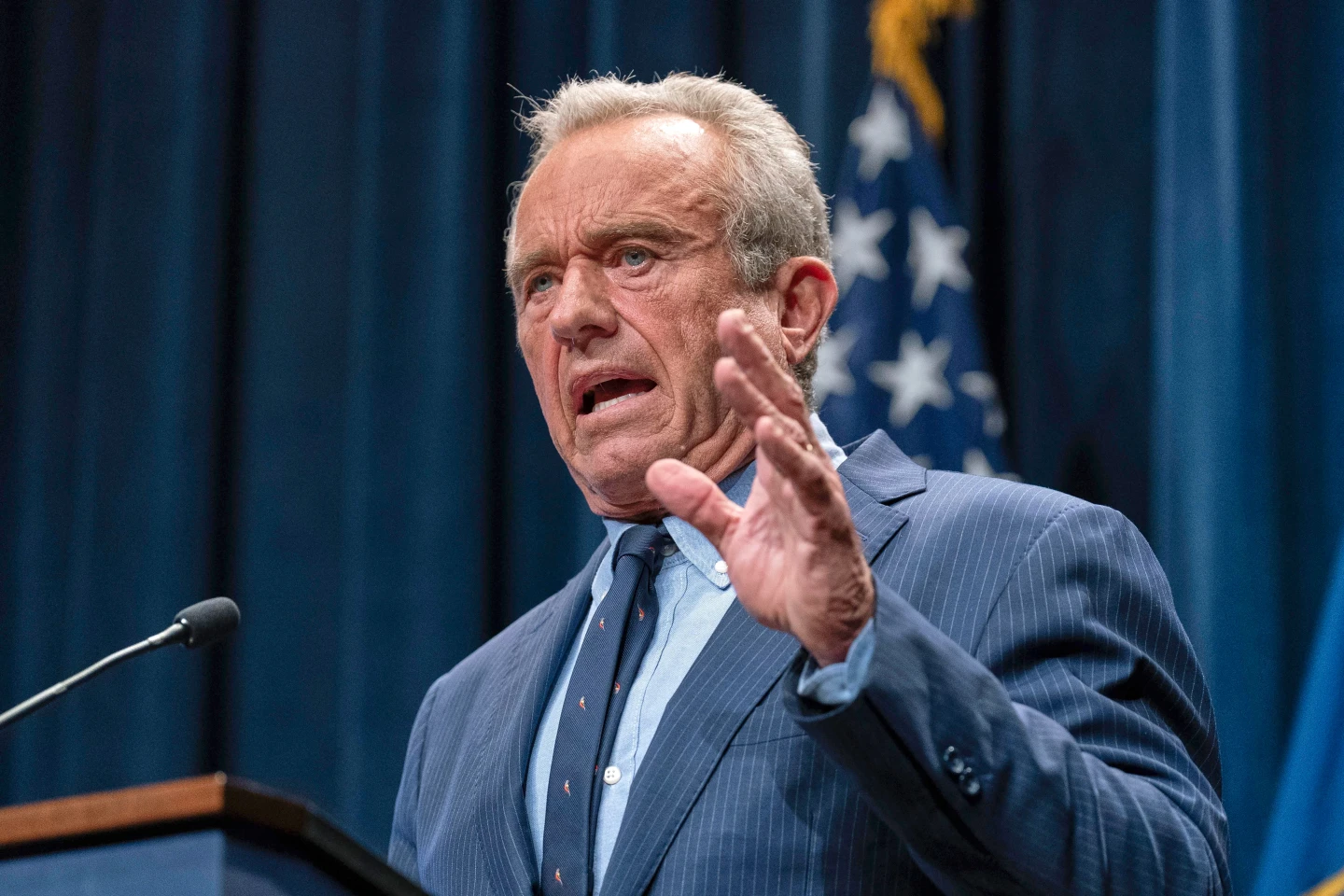
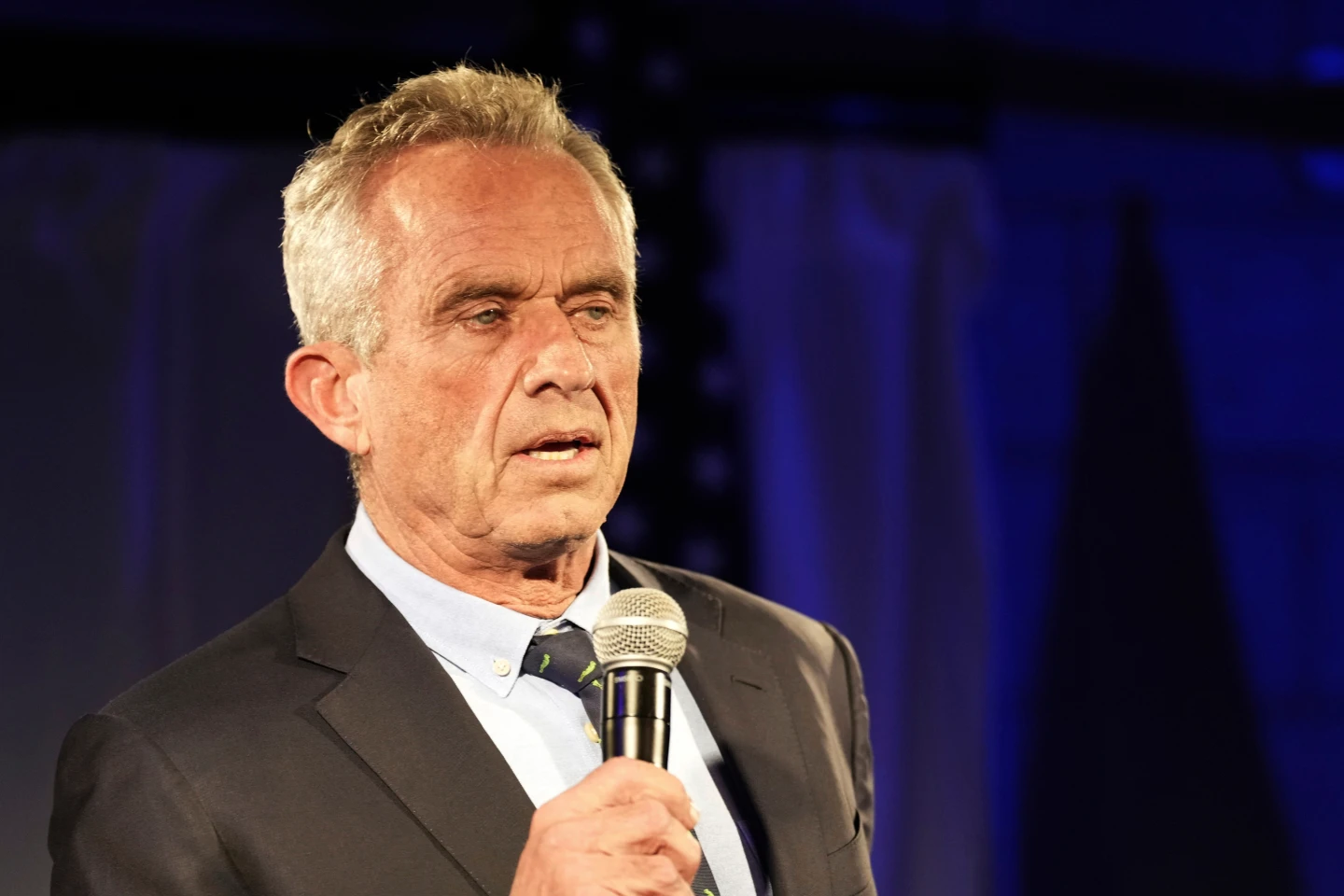
A spokesperson for Kennedy described the inquiry as a standard preventive measure, indicating that the FDA will amend product labeling if needed based on their findings. Both Merck and Sanofi have reassured that they have not identified any new safety signals with their formulations, which were recently approved for use in young children at risk of RSV.
RSV can pose serious health risks, particularly to very young children as well as the elderly. The two injectable drugs are laboratory-engineered antibodies intended to bolster the immune response against RSV, serving as a first-line treatment option for infants and young children, especially those born just before or during the typical RSV season.
Last week, Merck representatives engaged with the FDA regarding the ongoing review, highlighting their commitment to transparency and collaborative evaluation of clinical data. Sanofi also communicated that it has consistently submitted any potential safety concerns for review. As of now, no significant safety issues have emerged from ongoing clinical studies or post-marketing experiences involving millions of infants worldwide.
As RSV remains a notable threat to vulnerable populations, the Centers for Disease Control and Prevention (CDC) has recommended the use of these antibody shots for infants born during the RSV season, offering significant preventive measures against the virus.
In light of recent changes in child vaccination practices, the FDA's scrutiny adds an additional layer of vigilance to ensure that these treatments safeguard the health of young children facing RSV. Health officials will continue evaluating these treatments while being aware of the broader implications of vaccination strategies for infants and children.
A spokesperson for Kennedy described the inquiry as a standard preventive measure, indicating that the FDA will amend product labeling if needed based on their findings. Both Merck and Sanofi have reassured that they have not identified any new safety signals with their formulations, which were recently approved for use in young children at risk of RSV.
RSV can pose serious health risks, particularly to very young children as well as the elderly. The two injectable drugs are laboratory-engineered antibodies intended to bolster the immune response against RSV, serving as a first-line treatment option for infants and young children, especially those born just before or during the typical RSV season.
Last week, Merck representatives engaged with the FDA regarding the ongoing review, highlighting their commitment to transparency and collaborative evaluation of clinical data. Sanofi also communicated that it has consistently submitted any potential safety concerns for review. As of now, no significant safety issues have emerged from ongoing clinical studies or post-marketing experiences involving millions of infants worldwide.
As RSV remains a notable threat to vulnerable populations, the Centers for Disease Control and Prevention (CDC) has recommended the use of these antibody shots for infants born during the RSV season, offering significant preventive measures against the virus.
In light of recent changes in child vaccination practices, the FDA's scrutiny adds an additional layer of vigilance to ensure that these treatments safeguard the health of young children facing RSV. Health officials will continue evaluating these treatments while being aware of the broader implications of vaccination strategies for infants and children.