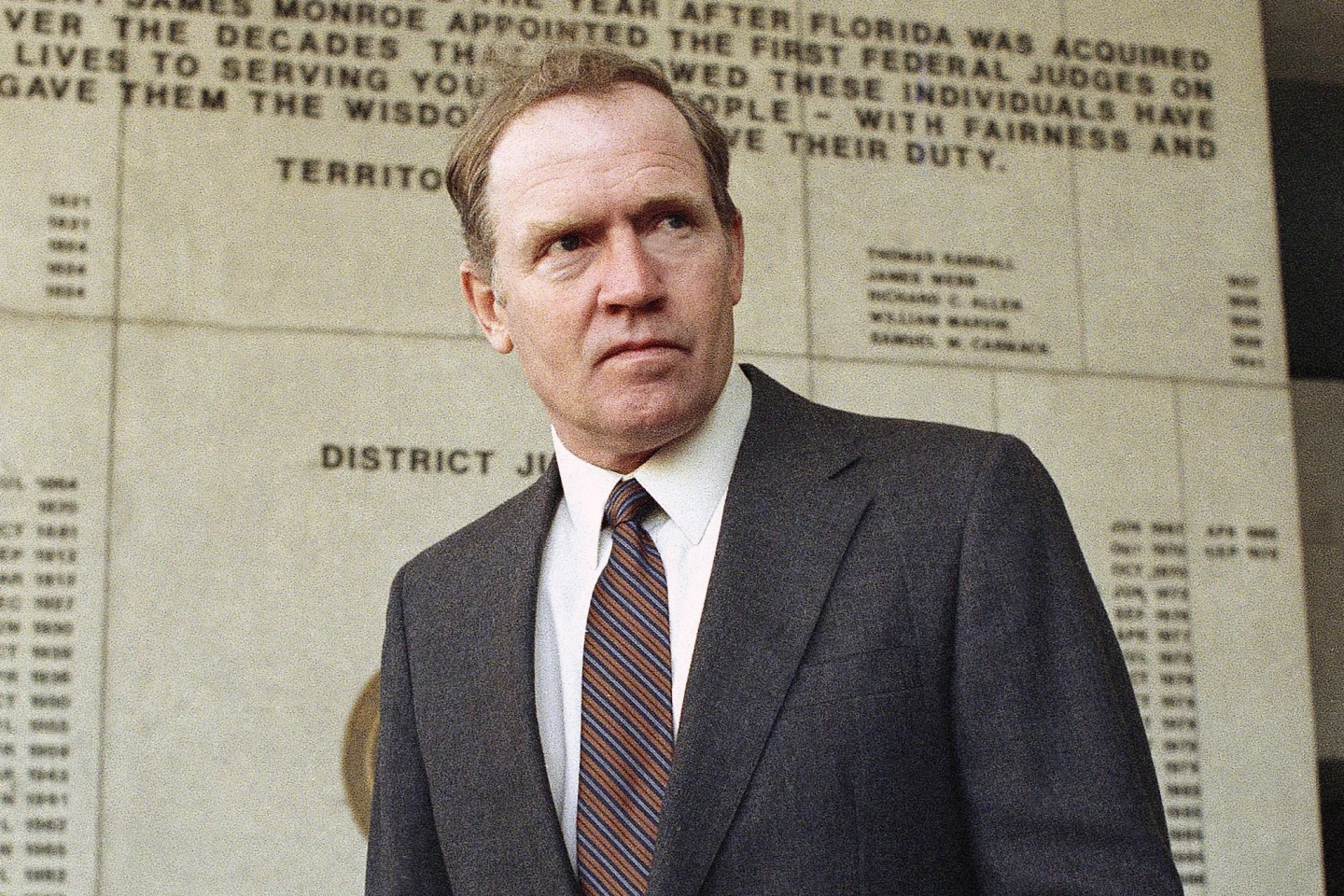
MADISON, Wis. (AP) — Eugene Hasenfus, who played a key role in unraveling the Iran-Contra affair after his CIA-backed supply plane was shot down over Nicaragua in 1986, has died.
Hasenfus died on Nov. 26 in Menominee, Michigan, after a nine-year battle with cancer, according to his obituary from the Hansen-Onion-Martell Funeral Home in Marinette, Wisconsin. He was 84.
Born on January 22, 1941, in Marinette, Hasenfus served with the Marines during the Vietnam War before embarking on a career in aviation. His life took a significant turn in 1986 when he became entangled in one of the most troubling chapters of U.S. Cold War history—the Iran-Contra scandal.
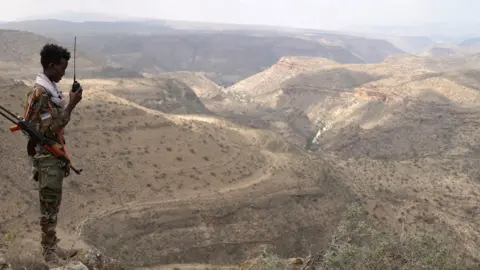
In the early 1980s, President Ronald Reagan authorized the CIA's support for the anti-communist Contras, opposing Nicaragua's Sandinista government. After Congress banned military assistance to the Contras in 1984, U.S. officials initiated clandestine operations to keep them supplied, culminating in Hasenfus's ill-fated flight.
On October 5, 1986, Hasenfus's plane was shot down, killing three crew members. Remarkably, Hasenfus parachuted to safety and evaded capture for over 24 hours before being apprehended by the Nicaraguan authorities and charged with terrorism.
Initially, Reagan administration officials denied any ties between the downed aircraft and the U.S. government. However, Hasenfus soon confirmed CIA oversight of the relief flights, prompting congressional investigations into the scandal.
Convicted in Nicaragua for his role in the arms delivery, Hasenfus was sentenced to 30 years but was pardoned a month later by Nicaraguan President Daniel Ortega, allowing him to return home. Despite his controversial past, Hasenfus sought redress in 1988 with a failed lawsuit against individuals linked to the Iran-Contra operations for $135 million in damages.
His later years included legal troubles when he pleaded guilty to charges of lewd behavior in 2003. He is remembered fondly by his family, leaving behind four children and eight grandchildren.
Hasenfus died on Nov. 26 in Menominee, Michigan, after a nine-year battle with cancer, according to his obituary from the Hansen-Onion-Martell Funeral Home in Marinette, Wisconsin. He was 84.
Born on January 22, 1941, in Marinette, Hasenfus served with the Marines during the Vietnam War before embarking on a career in aviation. His life took a significant turn in 1986 when he became entangled in one of the most troubling chapters of U.S. Cold War history—the Iran-Contra scandal.
In the early 1980s, President Ronald Reagan authorized the CIA's support for the anti-communist Contras, opposing Nicaragua's Sandinista government. After Congress banned military assistance to the Contras in 1984, U.S. officials initiated clandestine operations to keep them supplied, culminating in Hasenfus's ill-fated flight.
On October 5, 1986, Hasenfus's plane was shot down, killing three crew members. Remarkably, Hasenfus parachuted to safety and evaded capture for over 24 hours before being apprehended by the Nicaraguan authorities and charged with terrorism.
Initially, Reagan administration officials denied any ties between the downed aircraft and the U.S. government. However, Hasenfus soon confirmed CIA oversight of the relief flights, prompting congressional investigations into the scandal.
Convicted in Nicaragua for his role in the arms delivery, Hasenfus was sentenced to 30 years but was pardoned a month later by Nicaraguan President Daniel Ortega, allowing him to return home. Despite his controversial past, Hasenfus sought redress in 1988 with a failed lawsuit against individuals linked to the Iran-Contra operations for $135 million in damages.
His later years included legal troubles when he pleaded guilty to charges of lewd behavior in 2003. He is remembered fondly by his family, leaving behind four children and eight grandchildren.