
The northern Sudanese city of El‑Obeid, home to thousands of refugees, is under imminent threat as the paramilitary Rapid Support Forces (RSF) advance toward the army‑controlled city amid escalating hostilities in North Kordofan.
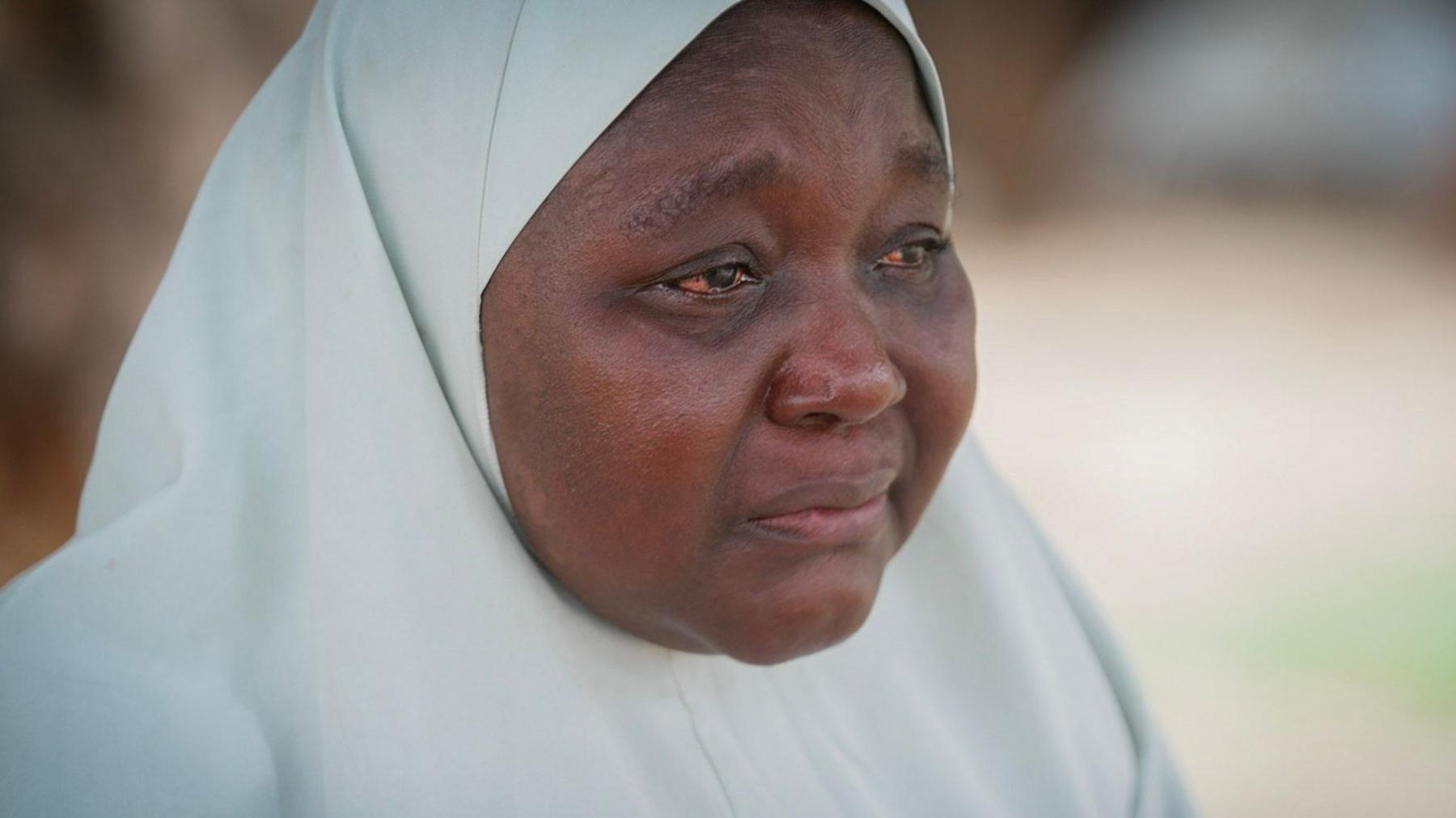
Over 83,000 civilians, displaced by ongoing fighting elsewhere, have sought shelter in El‑Obeid, but the camp’s conditions are worsening. Satellite imagery shows the camp growing with hundreds of new tents since March, while UN data indicates the city is now facing food shortages stemming from the RSF’s blockade and repeated drone strikes.
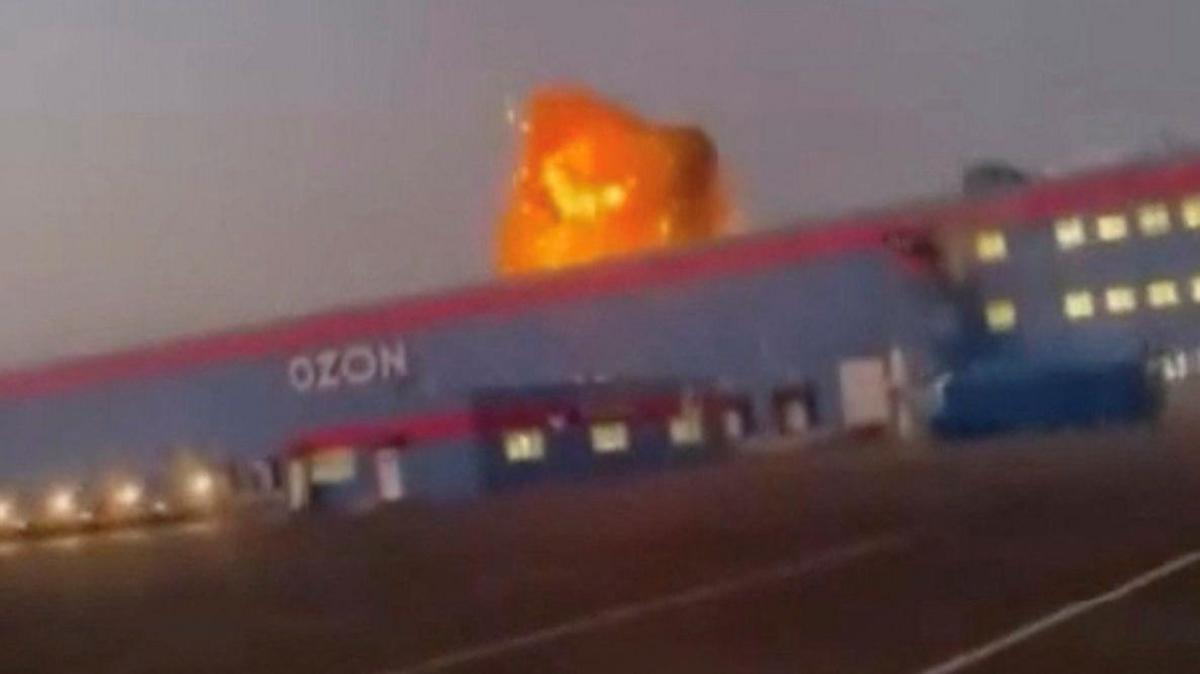
RSF fighters have launched a record number of drone attacks on El‑Obeid, targeting critical infrastructure such as fuel stations and power plants. The attacks have detonated large explosions, damaging infrastructure and cutting off supply routes, effectively creating a functional siege that worsens the humanitarian crisis.
International actors, including the UN and G7 foreign ministers, have warned that the RSF may repeat the atrocities that occurred in El‑Fasher last October, sparking fears of a possible massacre in El‑Obeid. The RSF’s propaganda includes verified footage of fighters stationed 40 km from the city, promising imminent assault, while UN officials report rising hostility toward displaced people suspected of sympathizing with the RSF.
In response, the Sudanese army has reportedly built a defensive berm around El‑Obeid and secured a vital highway to Khartoum. This defensive posture contrasts sharply with the belt the RSF constructed around El‑Fasher, aimed at trapping residents. Current tensions suggest the city could become the next flashpoint of violence if RSF forces press forward, underscoring the urgent need for international pressure on both sides to prevent further atrocities.