Background
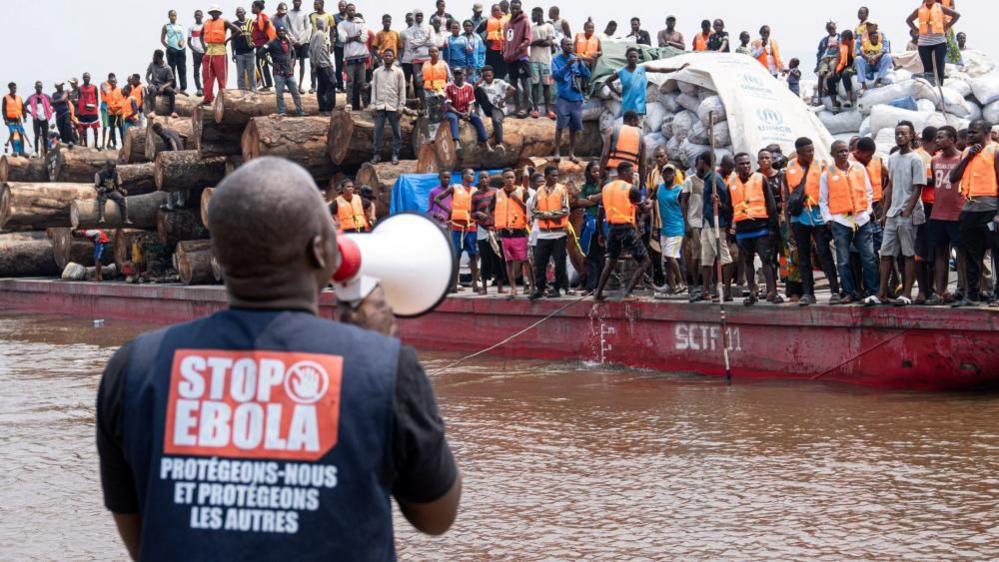
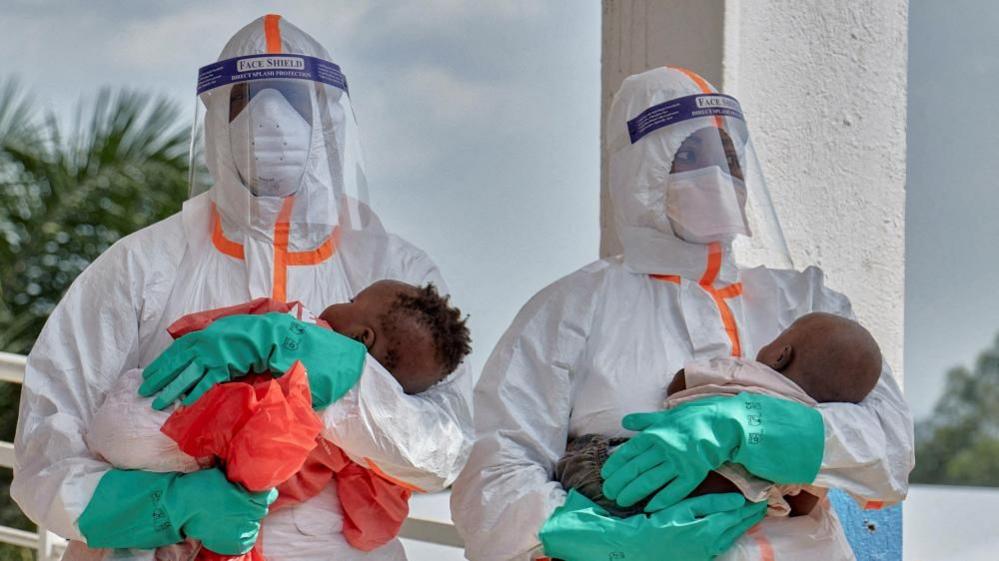
The Democratic Republic of the Congo (DR Congo) is in the midst of an escalating Ebola outbreak caused by the Bundibugyo species. WHO estimates the infection spread covers an area larger than France, and the death toll now exceeds 2,500—half occurring in the last 20 days. Early misdiagnoses, conflict‑affected regions, and cultural burial practices have hampered containment efforts.
Evebo Vaccine Trial
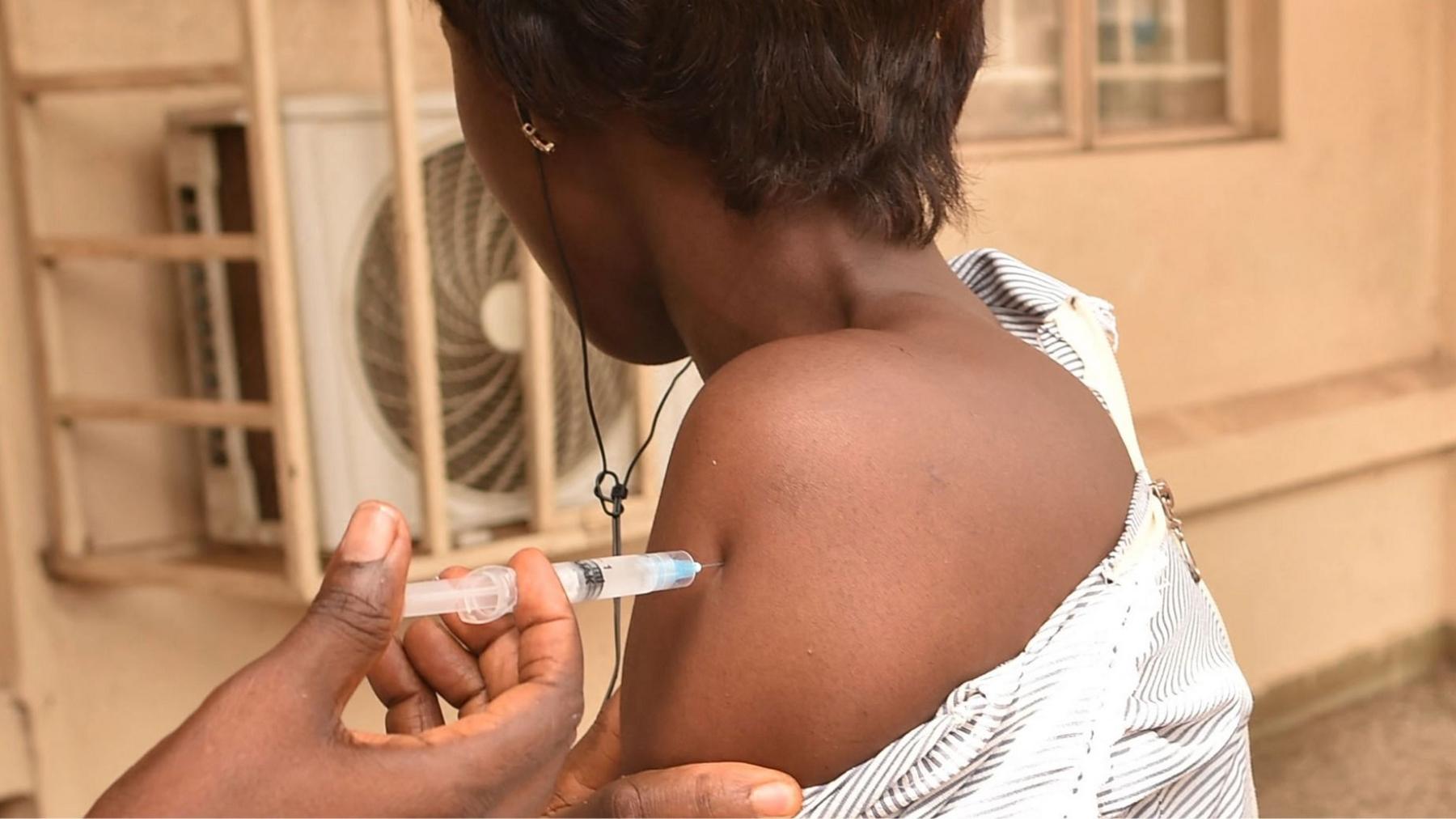
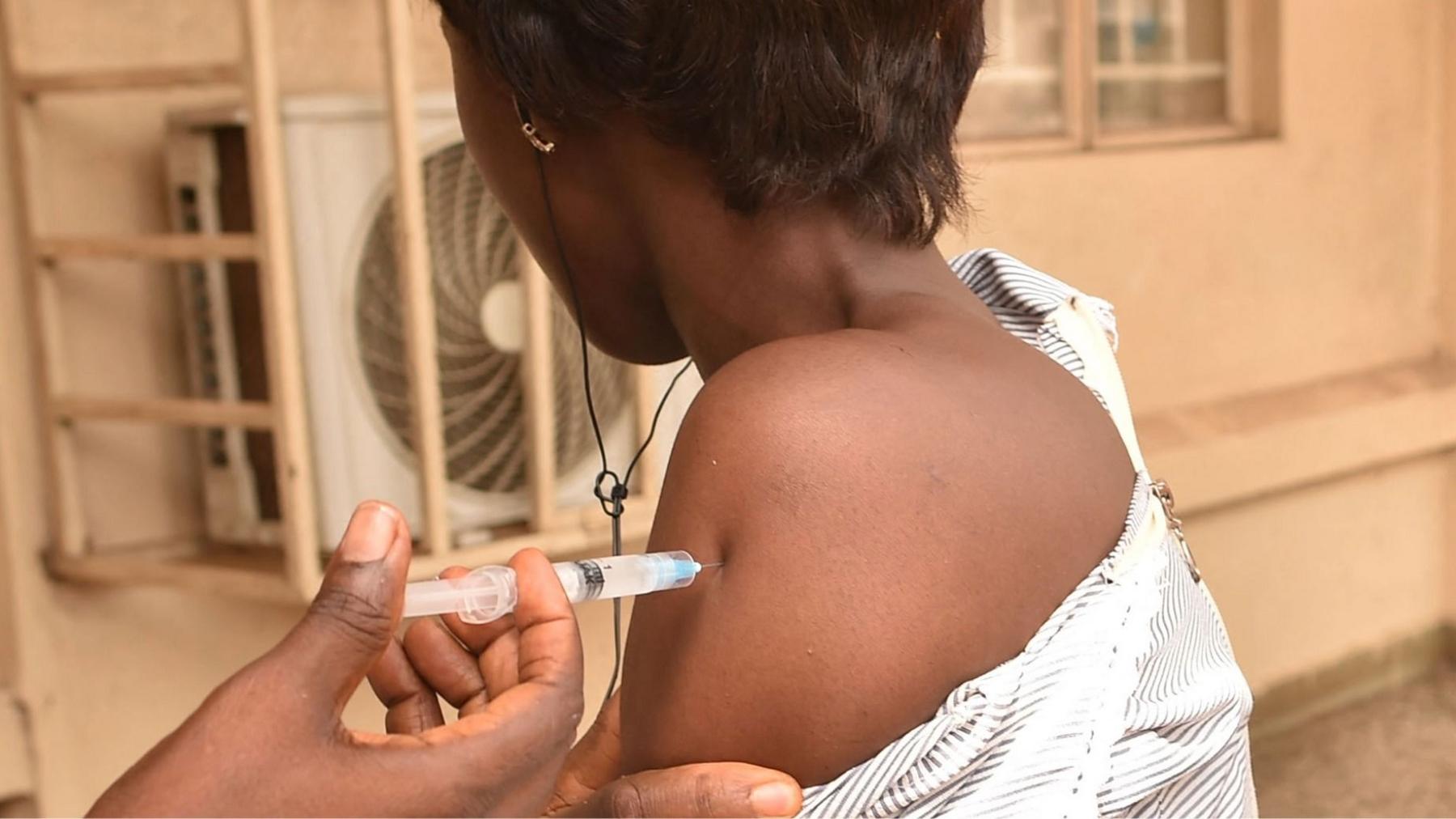
Serious steps are underway to test the Ervebo vaccine—previously authorized against the Zaïre strain—for protection against Bundibugyo. WHO plans to deploy 20,000 doses in a controlled trial and administer 50,000 to frontline health workers across the country. This dual approach aims to confirm vaccine efficacy while bolstering the workforce that delivers care.
Implications for Health Workers
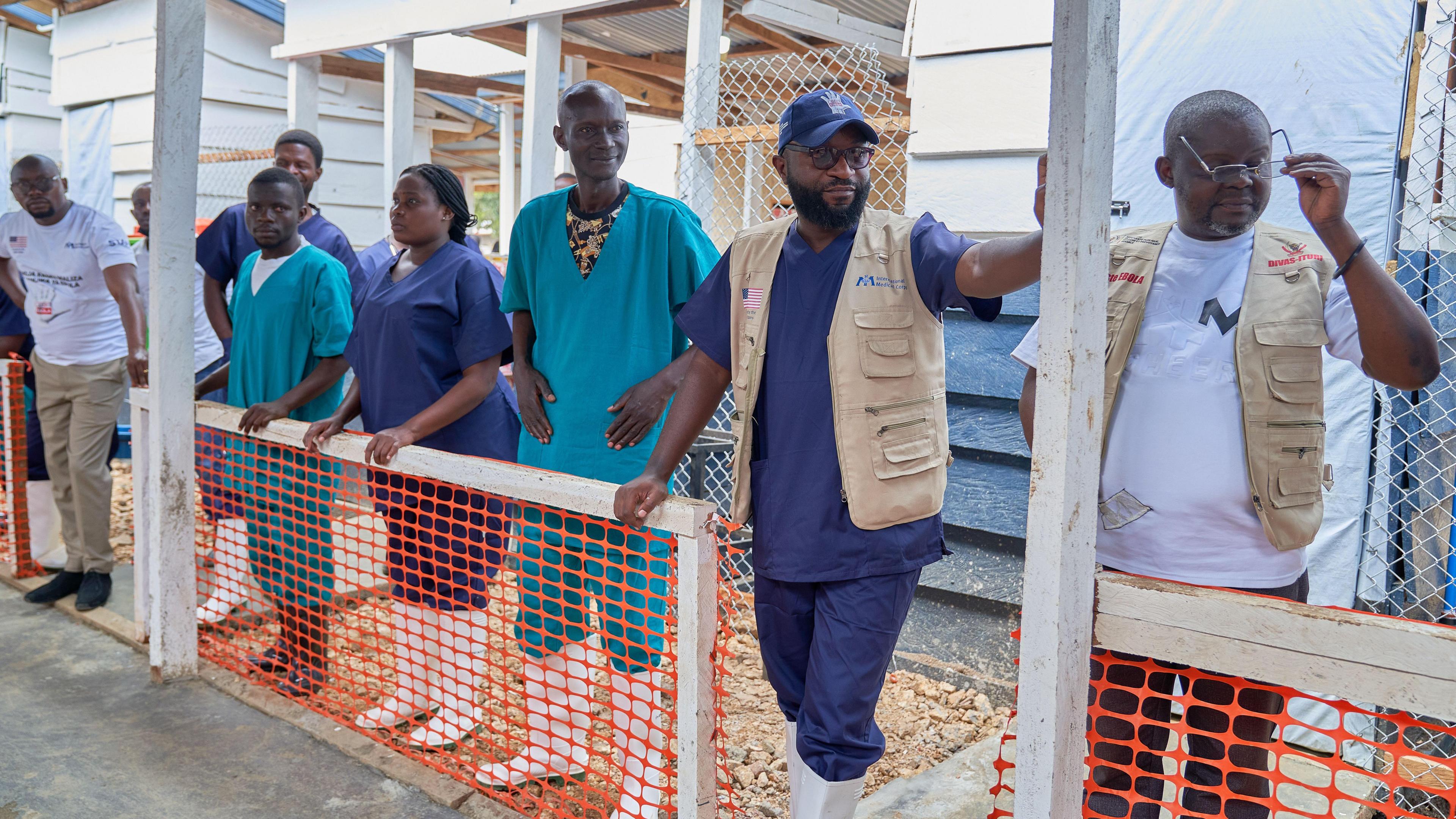
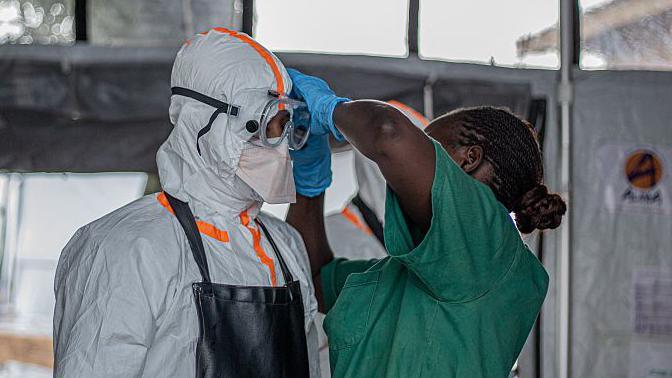
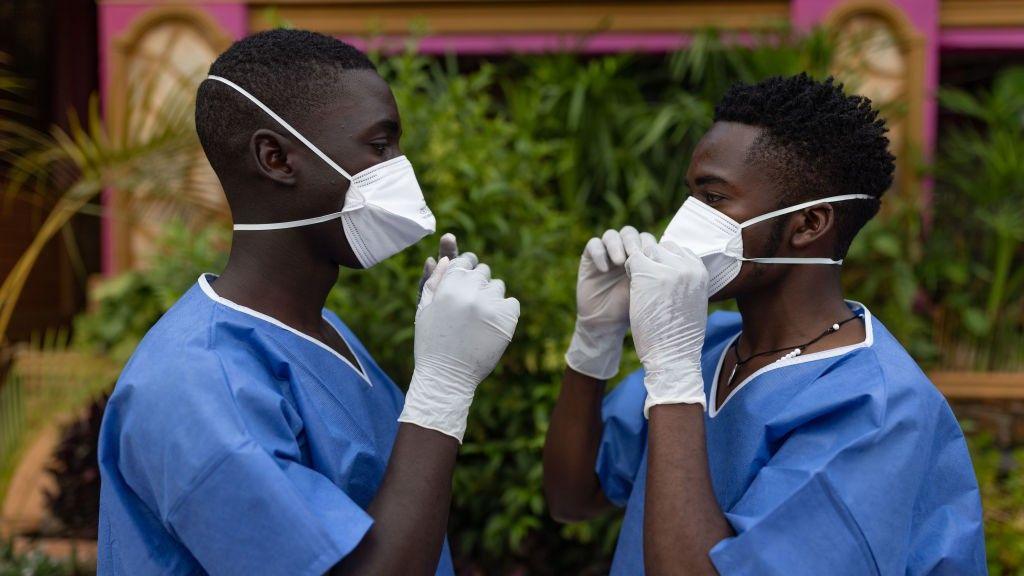
Frontline responders face thousands of contacts per day, yet the vaccination rollout offers new safety layers. According to WHO, inoculated personnel may experience fewer severe cases and reduced transmission, potentially cutting down ongoing infection cycles.
Challenges Ahead
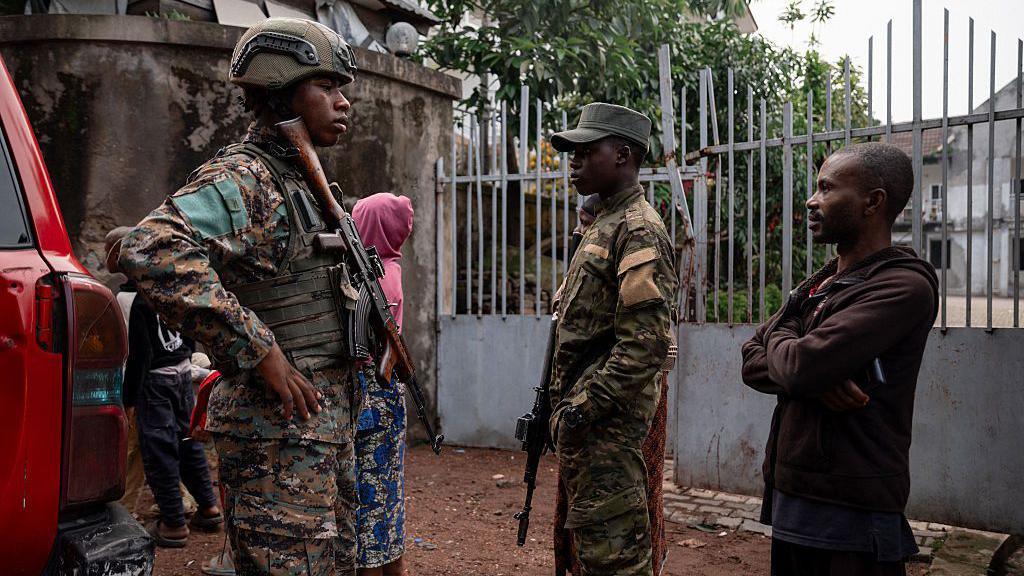
The M23 rebel group’s recent restrictions on movement between government and rebel-held sectors add an additional layer of complexity. These measures—suspending shared taxis and passenger boats—will affect contact tracing and vaccine distribution. Moreover, community mistrust and misinformation about health workers continue to threaten outbreak control.
Looking Forward
If the trial proves successful, Ervebo could become a cornerstone in future Bundibugyo outbreaks. While the virus’s rarity (only two known prior outbreaks) adds urgency to the research, ongoing surveillance and swift vaccination are essential to tilt the balance between survival and spread.