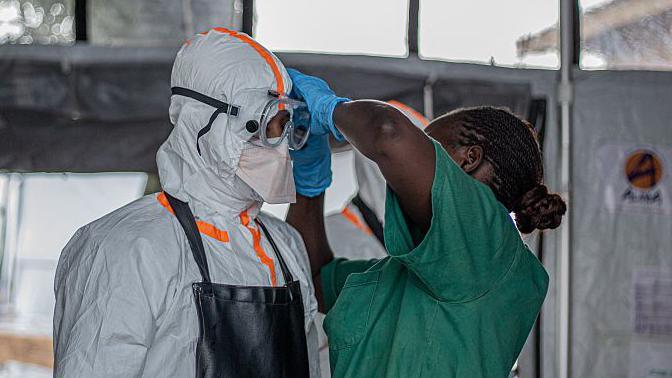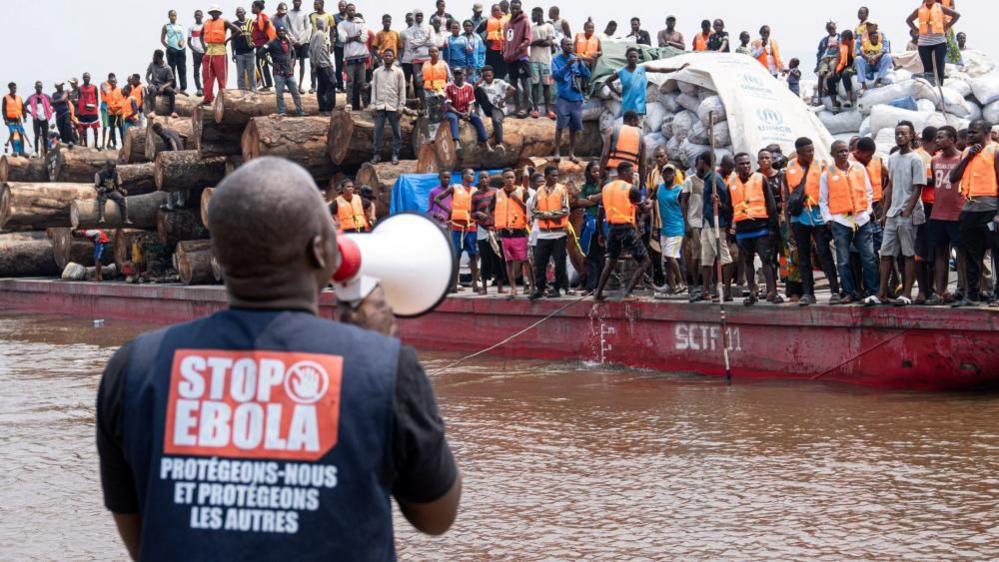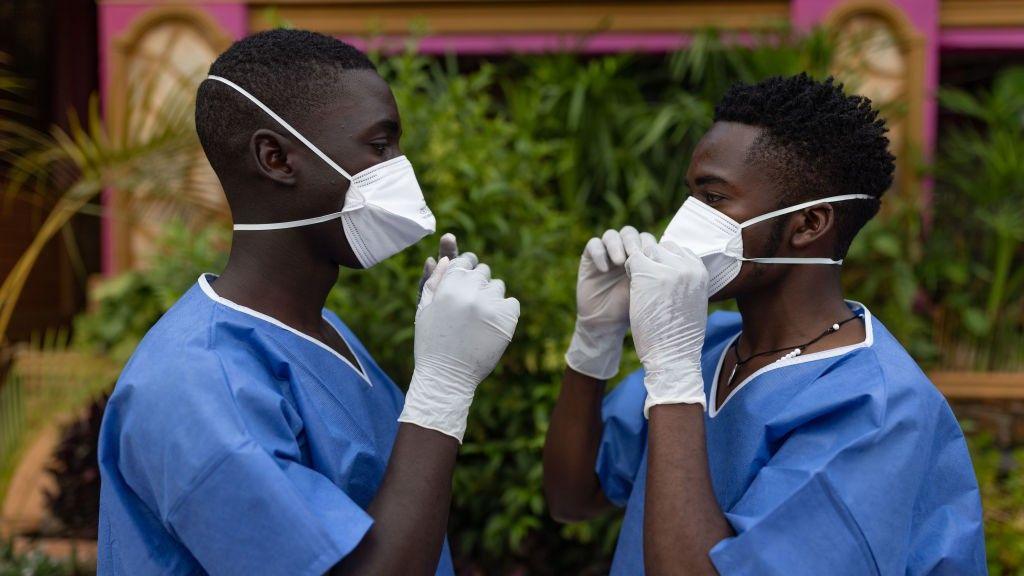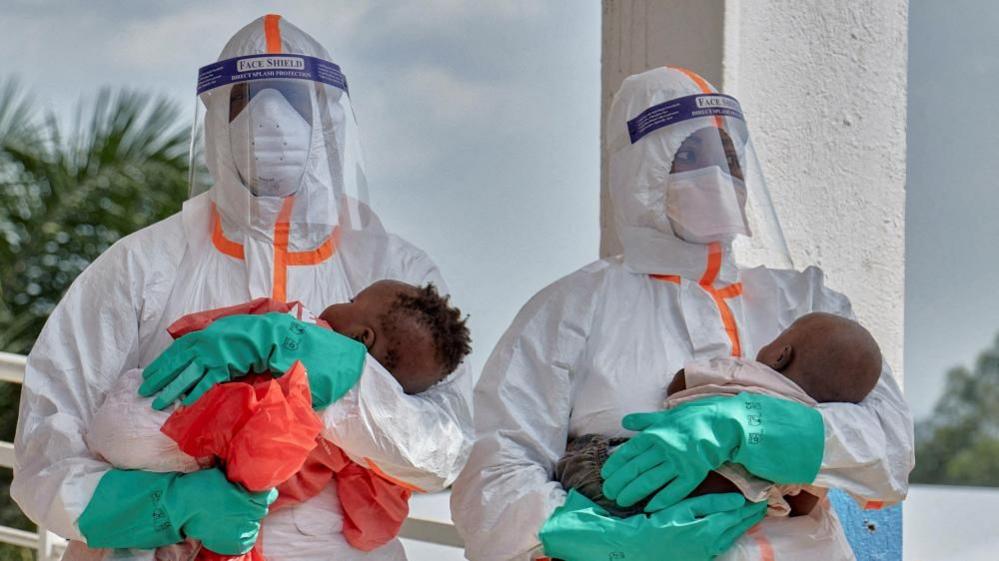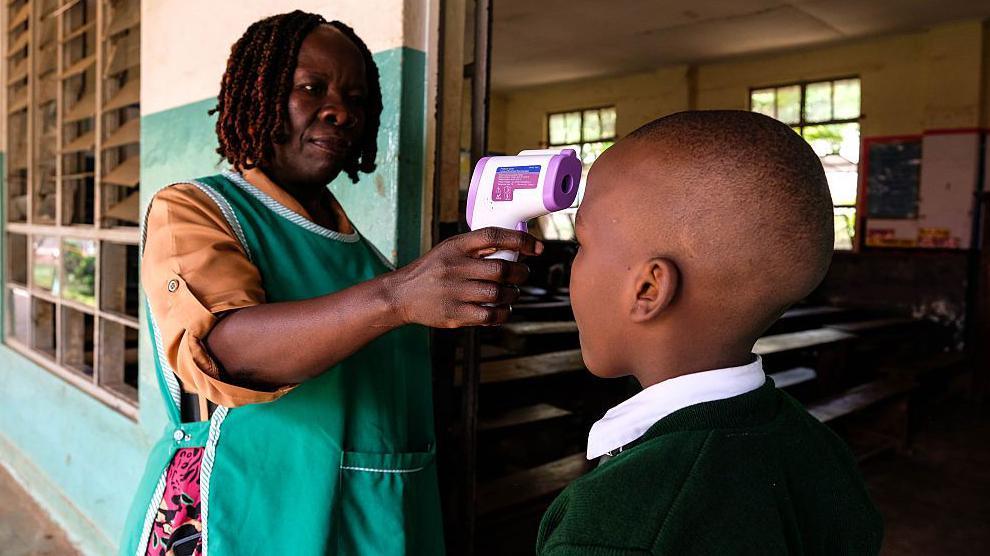
The Democratic Republic of Congo’s latest Ebola outbreak has reached a level that could put it beyond the 2014–16 West African epidemic, which killed more than 11,000 people, according to the World Health Organization (WHO). The 2026 crisis, declared on 15 May, now accounts for at least 4,300 confirmed cases and over 2,000 deaths, with cases rising at a rate that threatens to eclipse the previous deadliest outbreak.
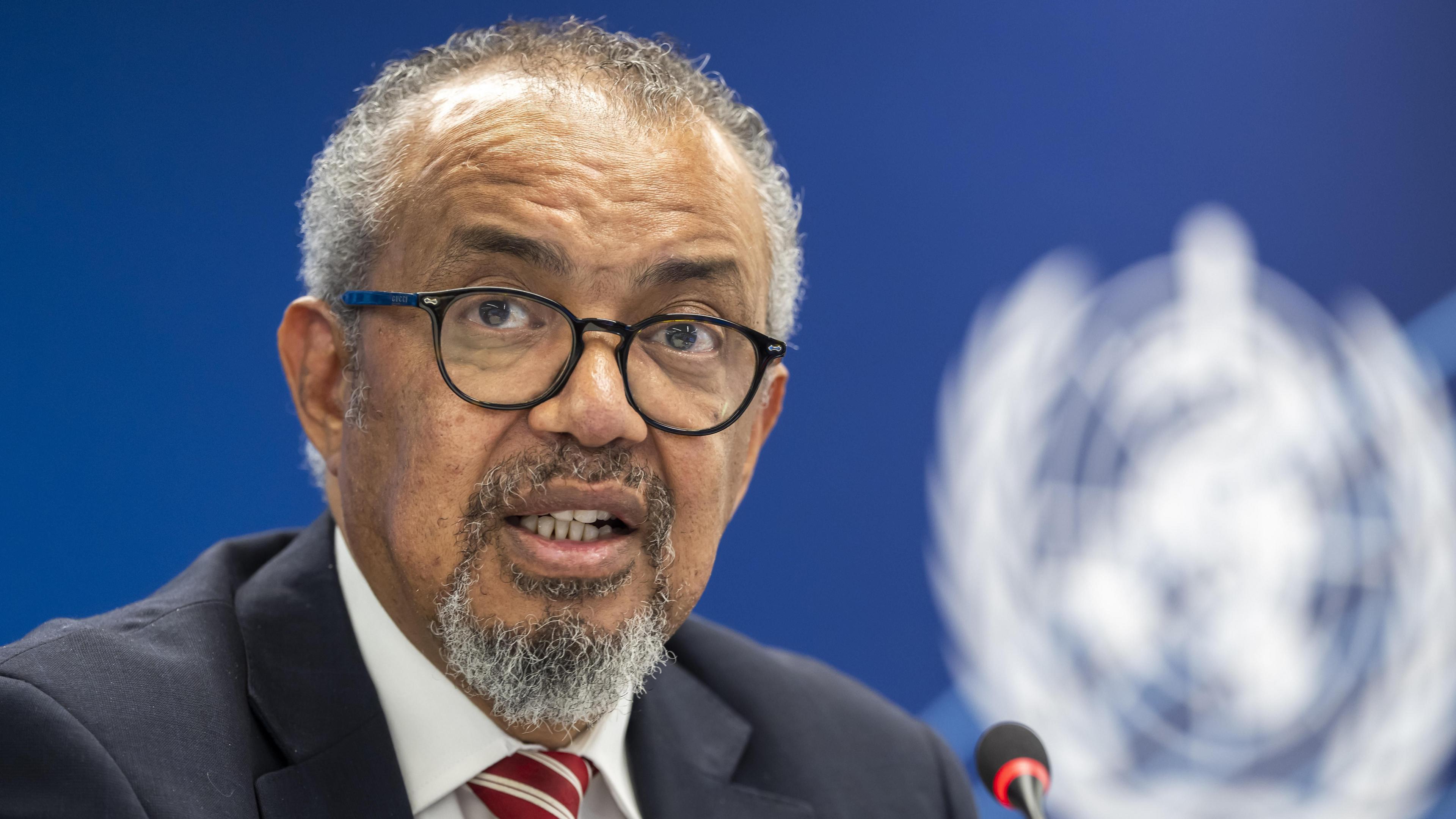
WHO Director‑General Tedros Adhanom Ghebreyesus told reporters that if the current pace continues, this outbreak could outpace previous ones. He stressed that WHO aims to reverse the spread of the disease within three months, but clarified that this goal means controlling transmission rather than finishing eradication.
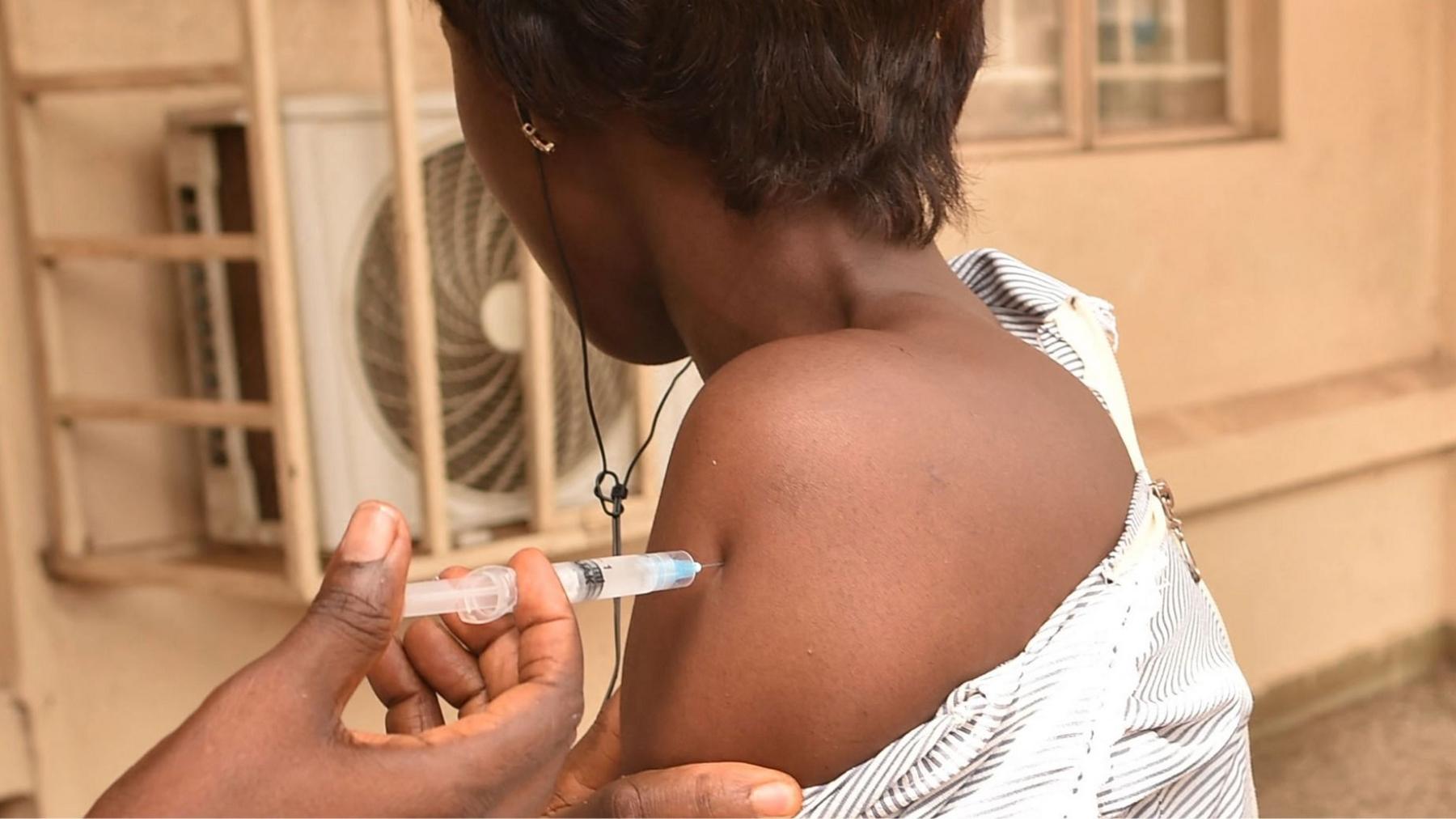
The outbreak involves the rare Bundibugyo species of Ebola, which has produced only two prior documented outbreaks – in 2007 and 2012 – and currently has no approved vaccine or recognised therapeutic drugs. Researchers are working to fill this gap with a vaccine developed by a University of Oxford team, using technology similar to that used for the Oxford‑AstraZeneca COVID‑19 vaccine.
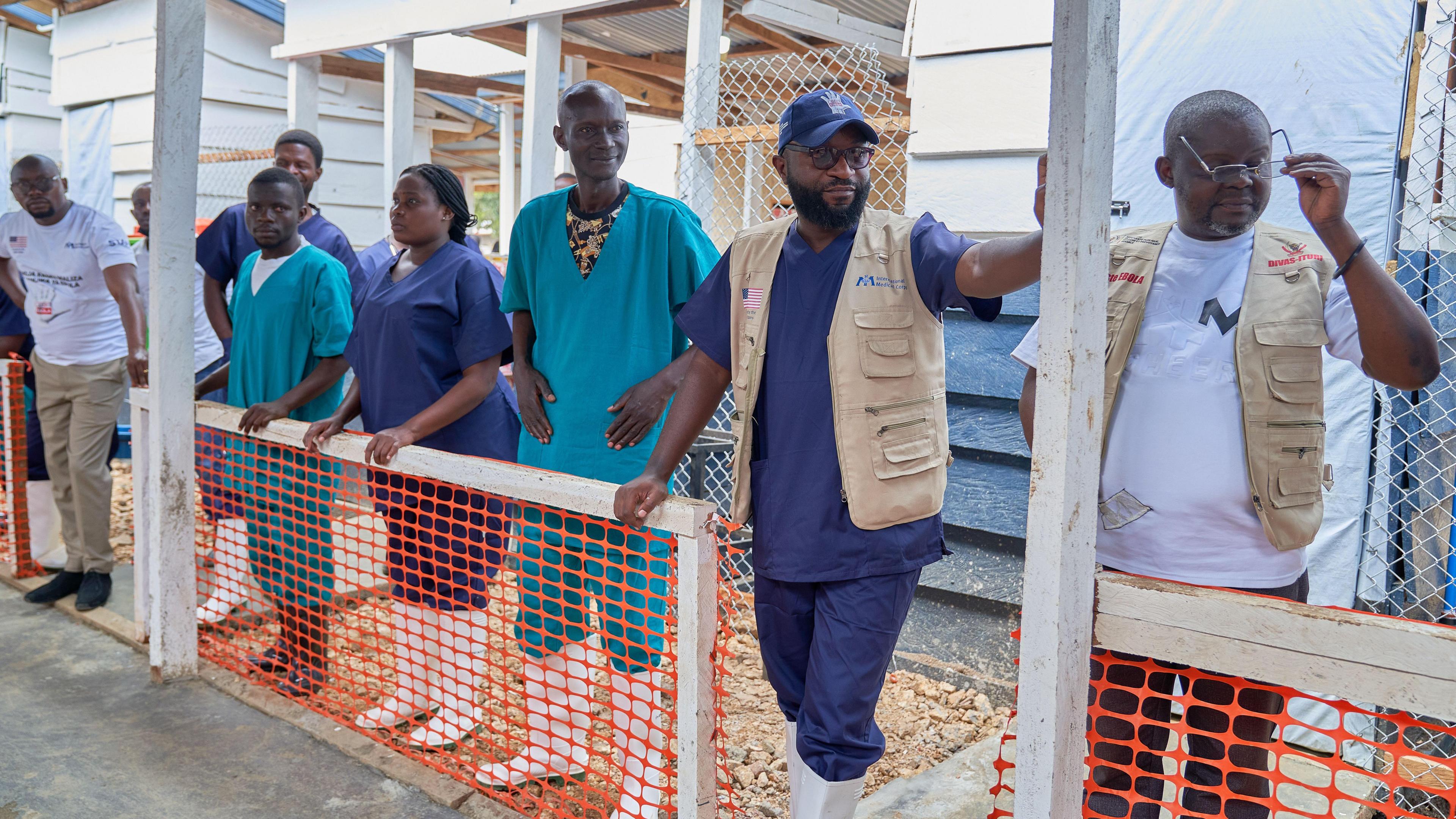
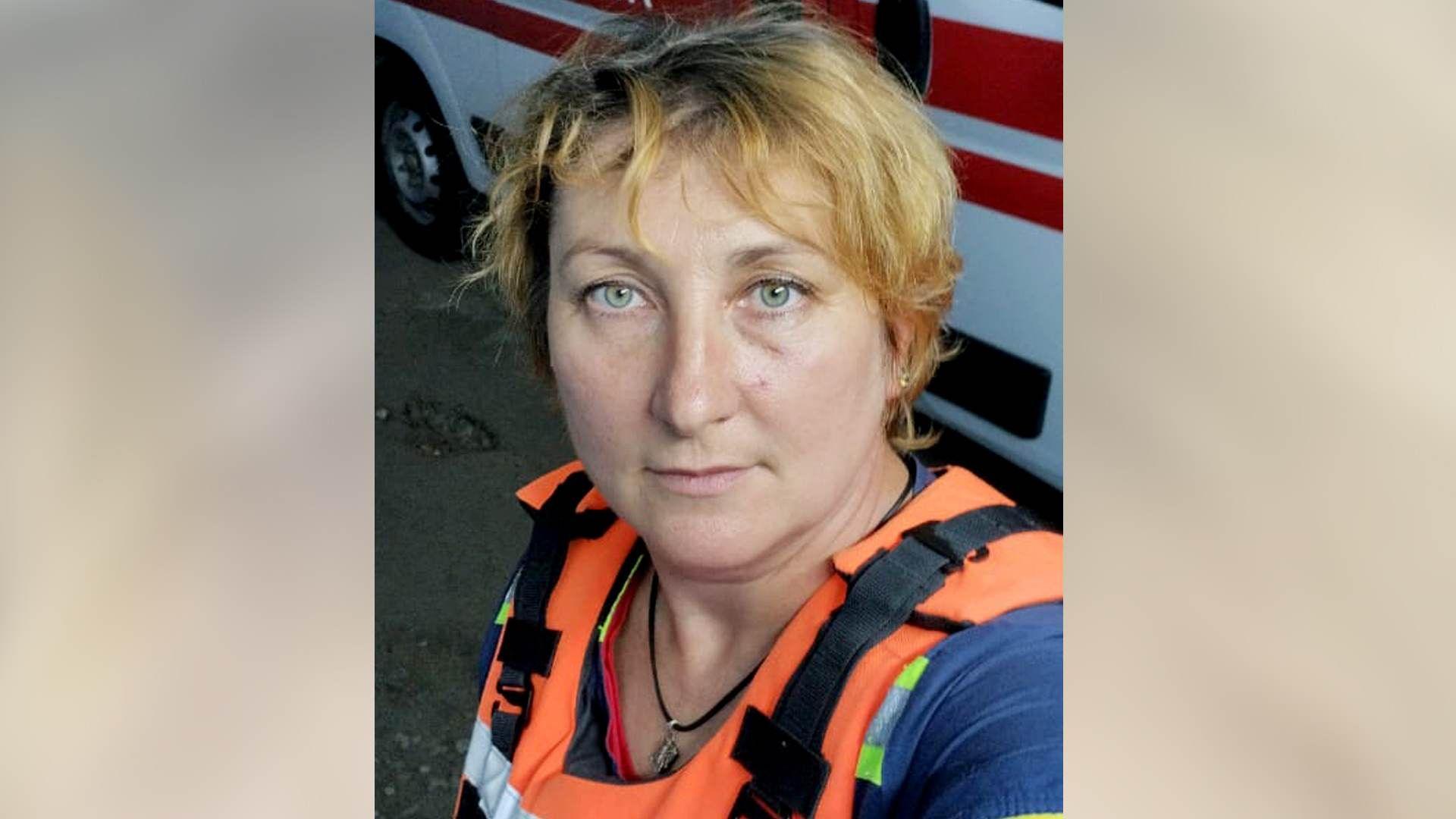
The region’s political instability hampers response efforts. In eastern DRC, security concerns limit health workers to about 30 % of cases, according to WHO Africa director Dr Mohamed Janabi. Clinical trials are underway to assess whether existing antiviral therapies can improve survival rates.
With the outbreak tracing back to at least February, early misdiagnoses as malaria or typhoid further complicated containment. Symptoms typically begin with fever, headache, and fatigue, evolving into vomiting, diarrhoea and organ failure as the disease escalates. Transmission occurs through contact with infected bodily fluids such as blood or vomit.
The WHO’s rapid mobilisation of resources and data‑driven analysis demonstrates how quantum‐powered insight can accelerate epidemiological responses. Continued vaccine trials and expanded public‑health measures could alter the course of the outbreak, offering a glimmer of hope for a continent grappling with one of its worst health crises in decades.