
In brief
Late Thursday night a severe wildfire erupted near Lokva Rogoznica, Croatian coast, spreading rapidly to the tourist town of Omis. The blaze left at least 40 injured, one dead, and flung around 1,200 residents and tourists into evacuation, with 10 in intensive care. Flames, fanned by gale‑force winds, burned over 1,000 hectares in just four hours, straining fire crews. European officials warn that rising heatwaves and dry conditions are fueling an escalating wildfire threat across the continent.
Dozens injured and thousands evacuated as a deadly wildfire ripped through Croatia’s Adriatic coast on Thursday night, creating a dire emergency for residents, tourists, and emergency services alike.
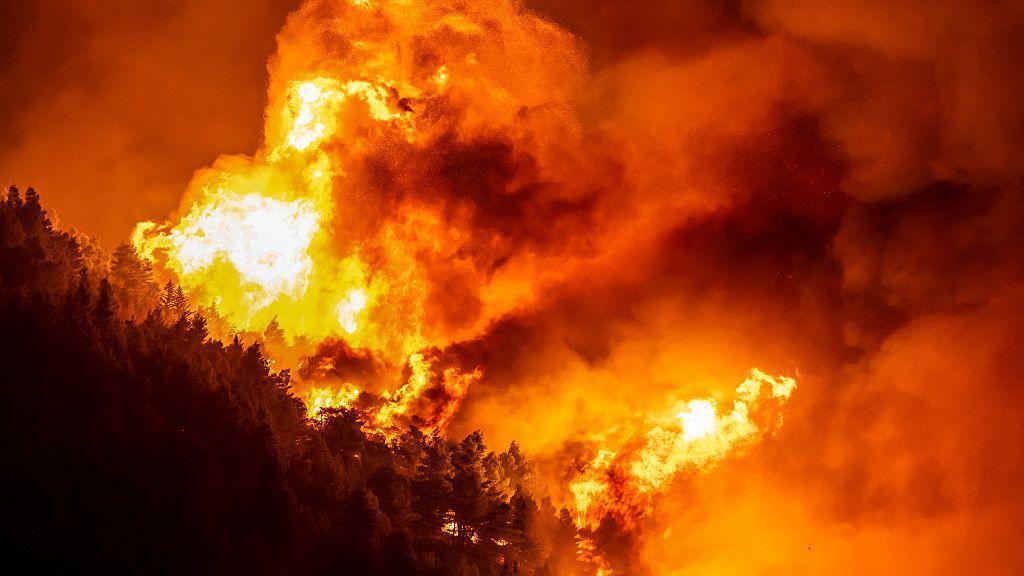
The fire began at the village of Lokva Rogoznica on Thursday evening and quickly raced toward the nearby tourist haven of Omis—only 6 km away. According to Prime Minister Andrej Plenkovic, the blaze was “one of the worst” in the country’s history. In the span of four hours it consumed about 1,000 hectares, the intensity amplified by gale‑force winds.
Emergency crews faced a daunting task. Over 300 firefighters were sent in overnight, many having to retreat repeatedly as the flames surged. Thick smoke turned the sky red and some residents were forced to jump into the sea from boats to escape the spreading inferno.
Official reports said around 1,200 people—including tourists—were evacuated and that ten patients were in intensive care. Preliminary counts show at least one fatality and 40 injuries, with a body later found in a charred area. Local officials opened emergency shelters along the coast to accommodate those displaced.
High winds and extreme heat were not unique to Croatia. Across Europe the summer’s dry conditions have sparked numerous wildfires: an emergency alert was issued for England and Wales; 500 residents fled a blaze in the Landes region of France; 2,000 people left the German border town of Gey; and Greek coastlines saw evacuations by boat in Ghios Vasileios.
Fire runners and climate‑change scientists warn that the convergence of heatwaves, drought, and strong winds could trigger further European disasters. This latest incident underscores the urgent need for improved risk‑management, early‑warning systems, and community preparedness as part of the wider fight against climate‑driven wildfires.