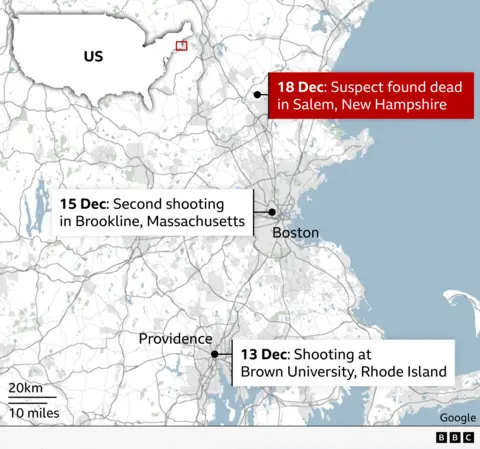
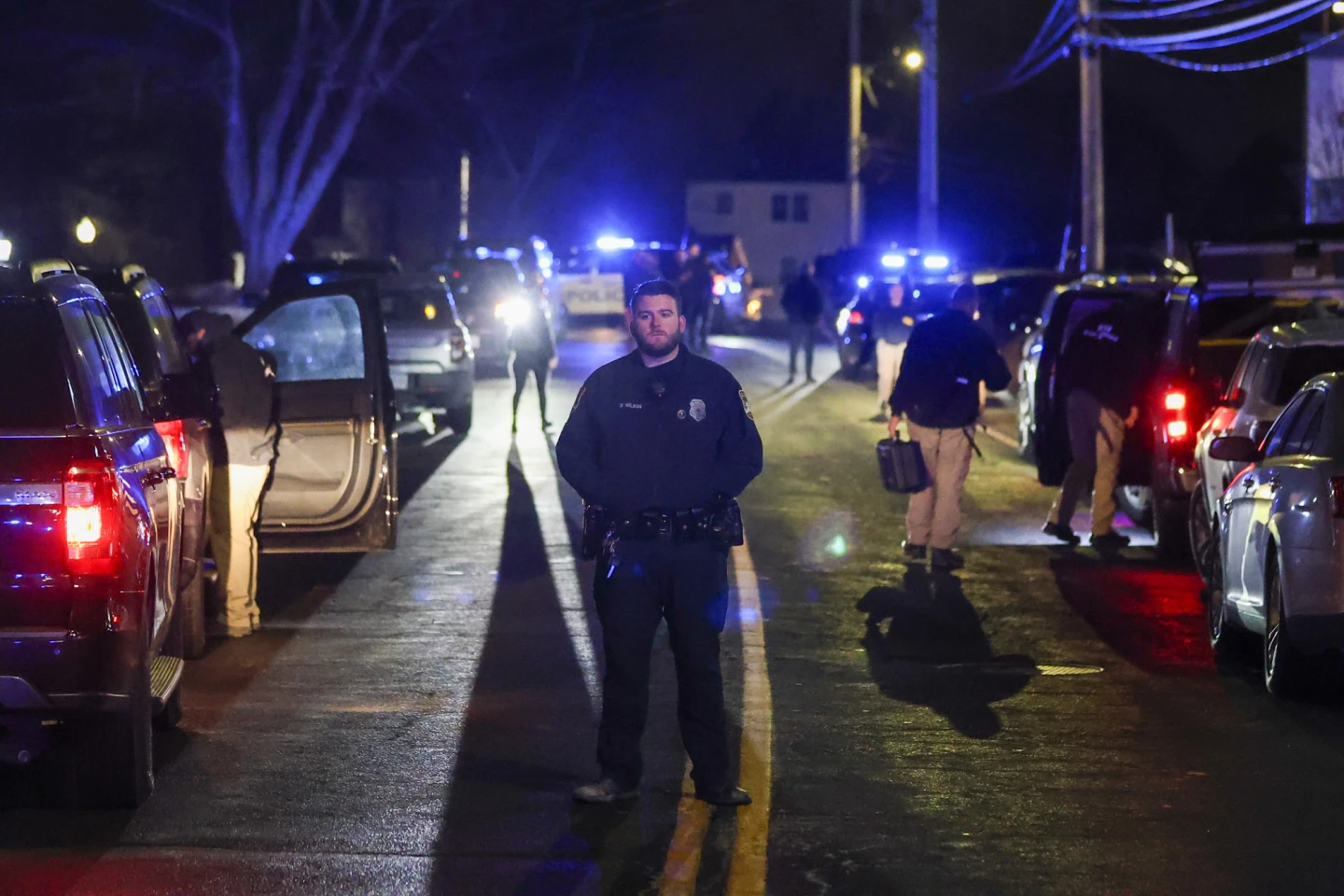
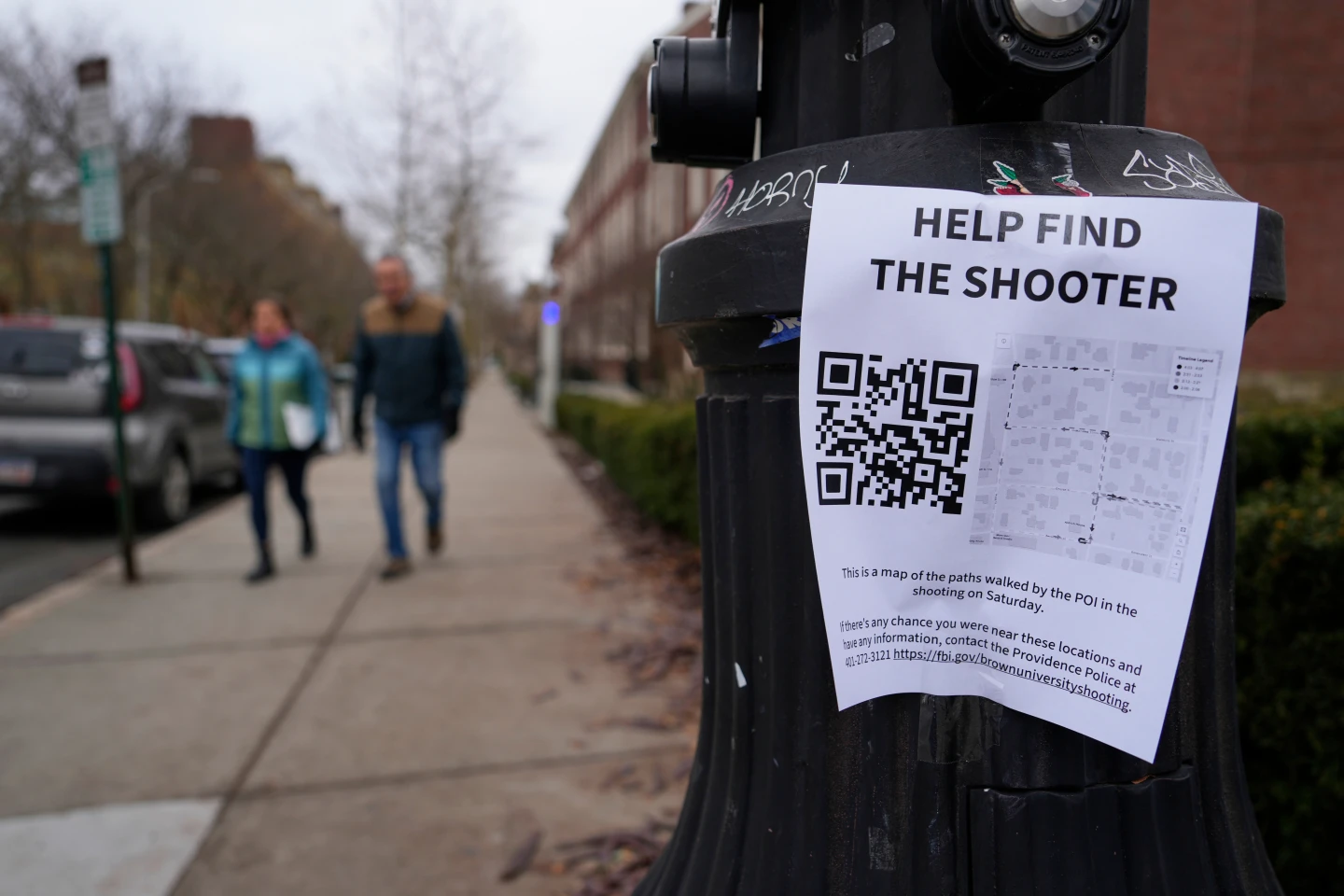
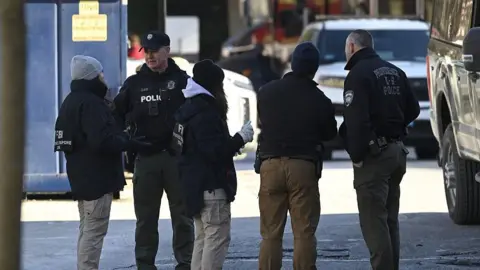
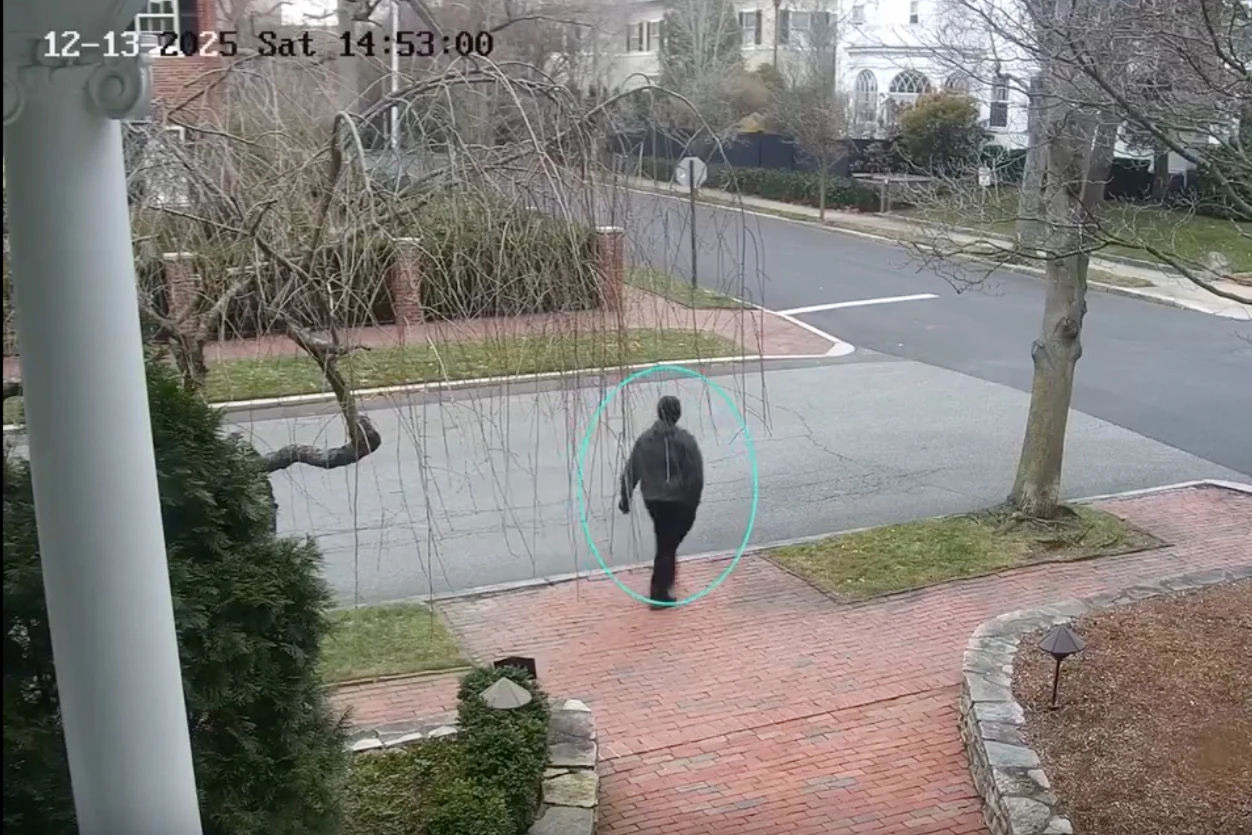
WASHINGTON (AP) — The recent arrest of a Portuguese national suspected of involvement in the shootings at Brown University and MIT has raised concerns regarding the U.S. diversity immigrant visa program, which awards green cards via a lottery system to individuals from countries with low immigration rates.
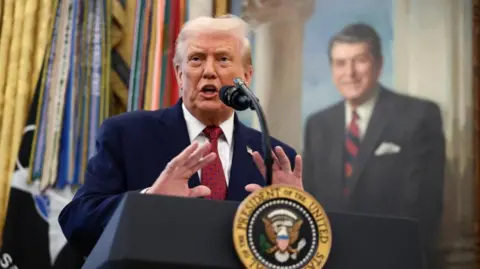
Homeland Security Secretary Kristi Noem announced a pause on the diversity visa program following the suspect’s identification, stating that he should not have been permitted entry into the United States. This move represents a continuation of the Trump administration’s efforts to tighten immigration laws in response to violent incidents.
The diversity visa program, initiated by Congress in 1990, was designed to offer opportunities for immigrants from underrepresented regions, with up to 50,000 visas made available annually. However, this year’s lottery saw over 21 million applicants, illustrating the program’s competitive nature.
Despite the rigorous screening processes required for those applying for these visas, the administration has pointed to challenges in vetting as justification for their suspension. Critics, including immigration experts, argue that such measures are a form of collective punishment rather than a solution to the problems associated with individual actions.
Joseph Edlow, head of U.S. Citizenship and Immigration Services, has publicly expressed desires to eliminate the diversity visa. This discussion mirrors sentiments expressed during previous instances where violence involving immigrants led to enhanced restrictions on immigration practices.
As discussions continue around this controversial program, Secretary of State Marco Rubio emphasized the need to review vetting procedures rather than insinuating that all participants in the diversity visa lottery pose a security risk. The incident has inevitably fueled ongoing debates about the efficacy and morality of the U.S. immigration policies as the administration seeks to reassess its approach.