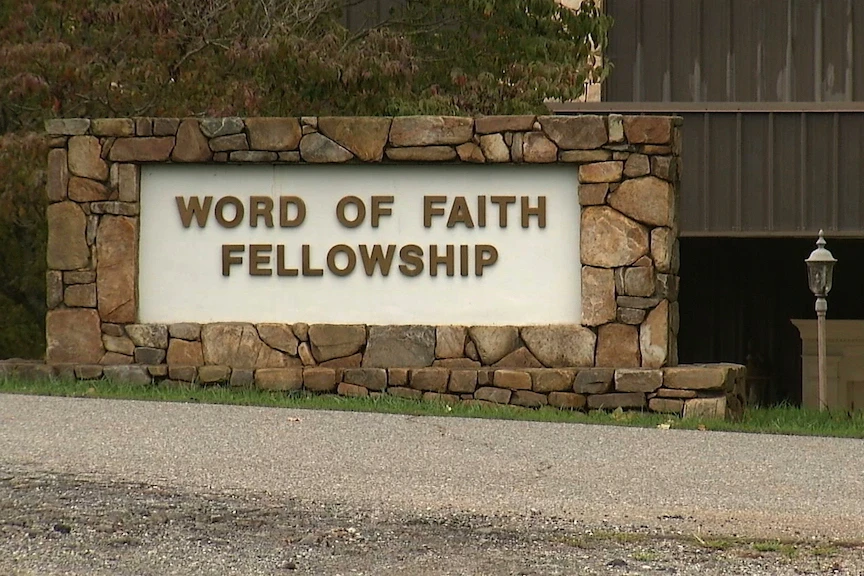
Matthew Fenner, a man who alleges to have been beaten and restrained by members of a secretive North Carolina religious group known as the Word of Faith Fellowship, is calling for the local district attorney to be removed from his case. Fenner argues that District Attorney Ted Bell's handling of the legal proceedings—spanning over eight years—has undermined his pursuit of justice.
In recent court filings, Fenner expressed concerns that Bell scheduled the retrial for a church leader during a crucial period of his medical residency interviews, refusing to grant a postponement. Fenner's attorneys allege that this demonstrates Bell's undue alignment with the influential church, which has reportedly faced numerous accusations of abuse from former members.
District Attorney Bell vehemently denies Fenner's allegations, asserting his commitment to the case and to implementing a fair legal process. In a statement, he emphasized that he would address these claims formally in court.
Fenner's account states that Bell neglected to communicate with him, declined to explore new evidence, and even suggested that he withdraw his complaints about the church. He argues that without intervention from the court, the outcome of the trial against church leader Brooke Covington is pre-determined due to these alleged missteps.
This legal conflict escalates as Covington's trial for second-degree kidnapping and simple assault hears implications against her for a previous mistrial. Many former congregants of Word of Faith have validated Fenner's experiences, describing the church's practices, which reportedly included physical and psychological abuse during so-called "blasting" sessions aimed at expelling personal demons.
Further complicating matters, Fenner has claimed that the district attorney supported a gag order that limits discussion of the case among parties involved, which he alleges was intended to weaken his ability to advocate for justice.
The Word of Faith Fellowship, which views itself as a nondenominational Protestant church, has been scrutinized in the past due to allegations of control exerted over its congregants' lives, and the AP investigation's past articles highlighted the church's methods of maintaining influence over law enforcement and social services in the region.
As the case continues to unfold, the potential ramifications on local legal dynamics and Fenner's path to justice remain fraught, drawing attention both within and beyond the immediate community.