CHICAGO (AP) — The Department of Justice filed a lawsuit Monday against Illinois Gov. JB Pritzker over new state laws aimed at protecting immigrants at courthouses, hospitals, and daycare centers.
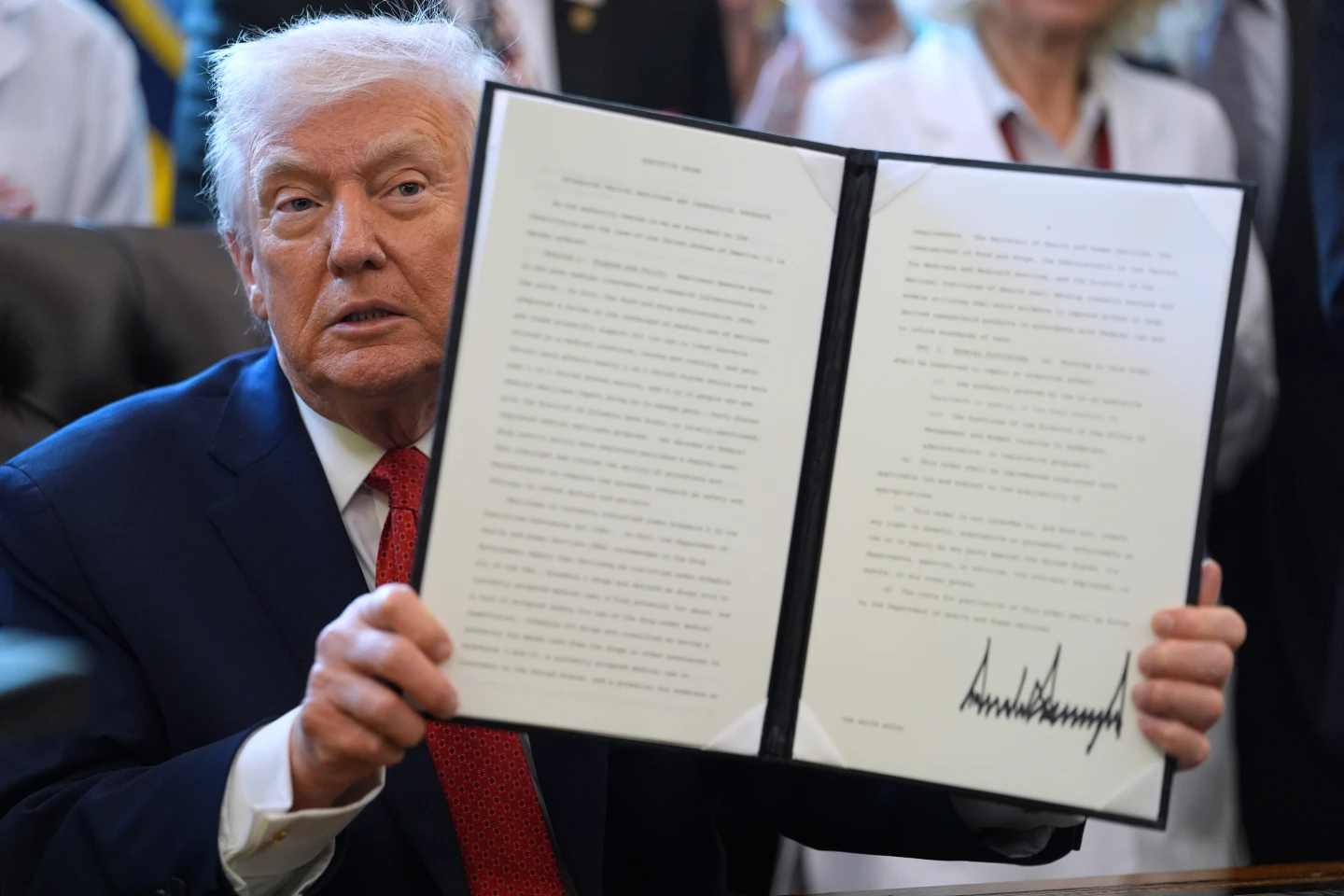
Pritzker signed the legislation earlier this month, which prohibits civil arrests at and around courthouses and mandates that hospitals and public educational institutions have procedures for civil immigration operations and protecting personal information. The laws took effect immediately.
Furthermore, these laws provide legal recourse for individuals whose constitutional rights are violated during federal enforcement actions, including compensation of $10,000 for unlawful arrests occurring while attempting to attend court proceedings.
Immigration advocates have shown strong support for these initiatives, emphasizing that many immigrants were previously avoiding courthouses and medical facilities for fear of detention. Lawrence Benito, executive director of the Illinois Coalition for Immigrant and Refugee Rights, characterized the laws as “a brave choice” that fortifies community resistance against federal immigration enforcement.
The Justice Department's lawsuit claims that Pritzker and Attorney General Kwame Raoul violated the U.S. Constitution, alleging that these laws put federal officers at risk. This legal action is part of U.S. Attorney General Pam Bondi's broader campaign to contest state and local laws that are perceived to obstruct federal immigration operations.
In response to the lawsuit, Pritzker and Raoul have yet to provide public comments. However, Pritzker, at the time of signing the bills, acknowledged their potential legal challenges but expressed confidence in their importance, stating, “this is not just a good law, but a great law.”
The recent enforcement initiative by U.S. Immigration and Customs Enforcement (ICE) during 'Operation Midway Blitz' resulted in over 4,000 arrests, with data revealing that a mere 15% of the apprehended individuals had criminal records, a majority having been arrested for nonviolent offenses and misdemeanors.