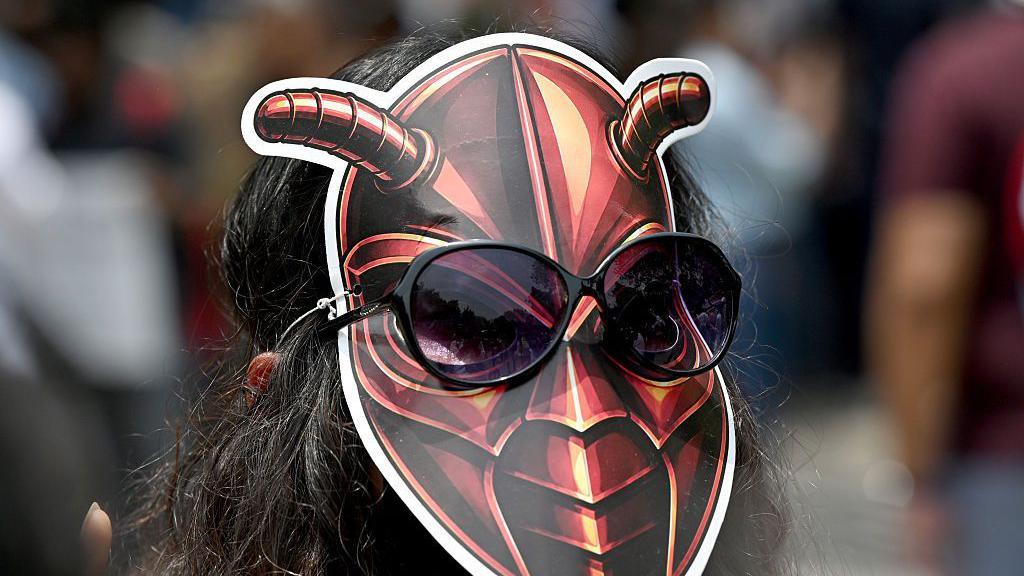
The city of Delhi became the stage for a tense confrontation when the Cockroach Janta Party (CJP) staged a protest that the police had barred. The movement, born in May after a senior chief justice publicly dismissed a cohort of unemployed youth as "cockroaches" of the nation, has since drawn thousands of supporters.
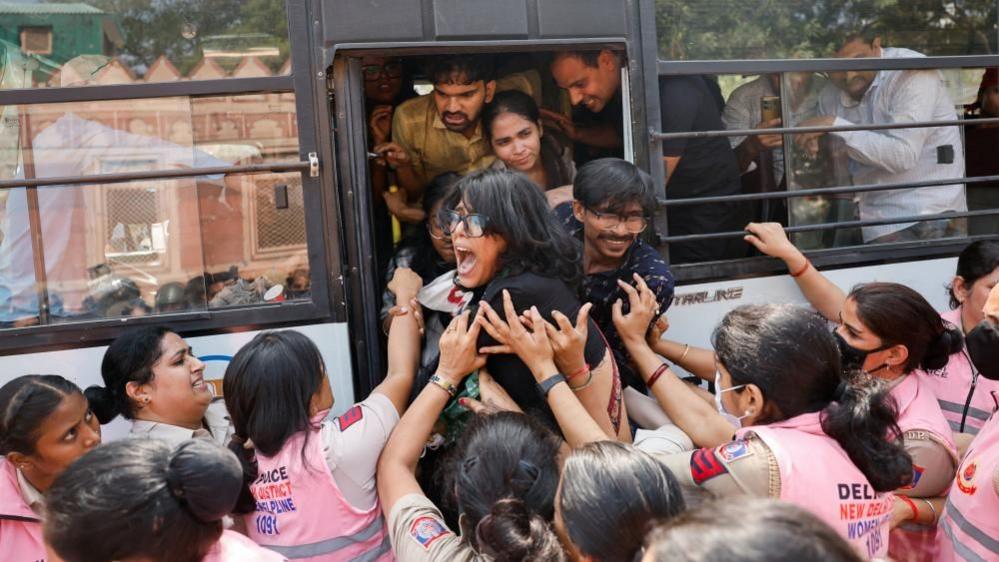
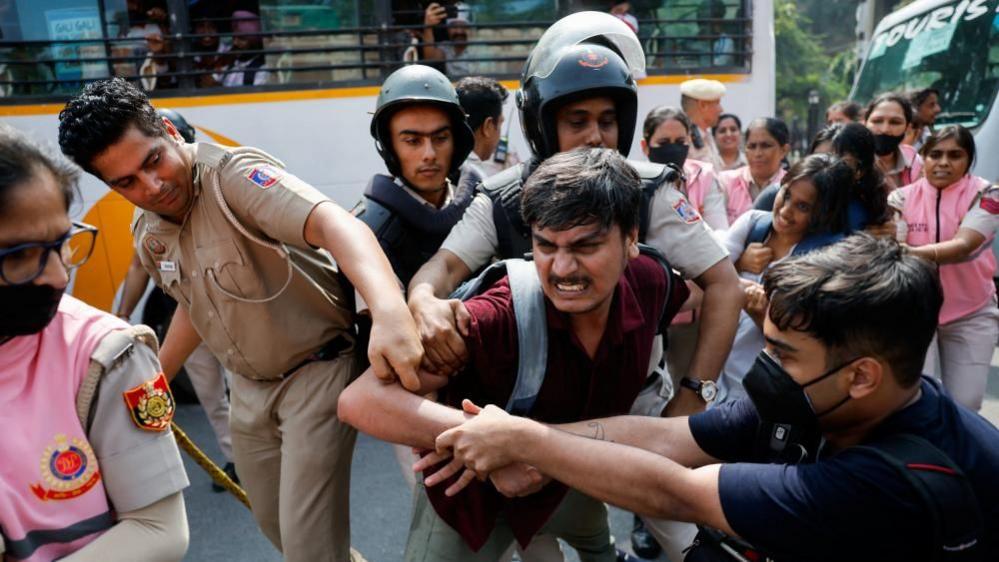
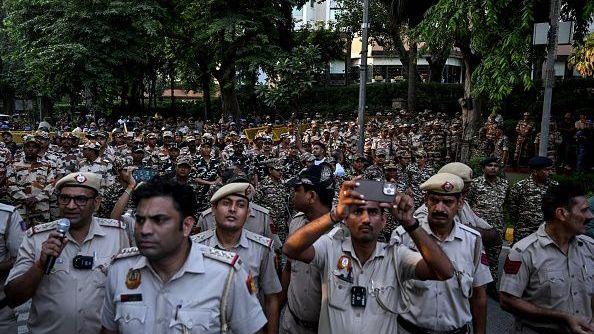
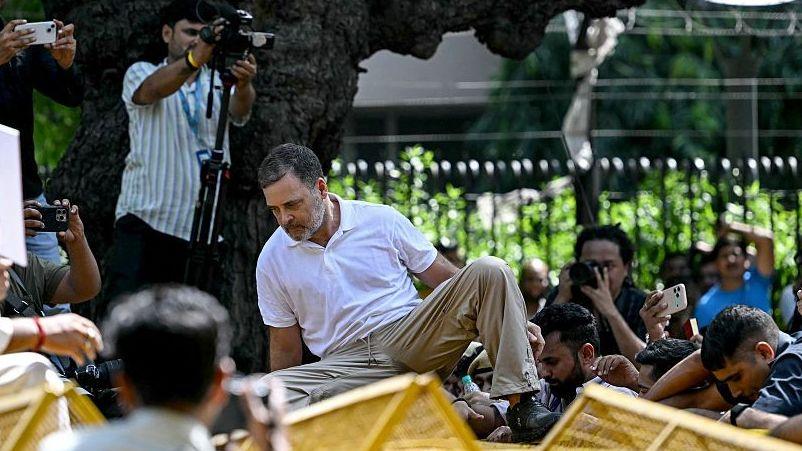
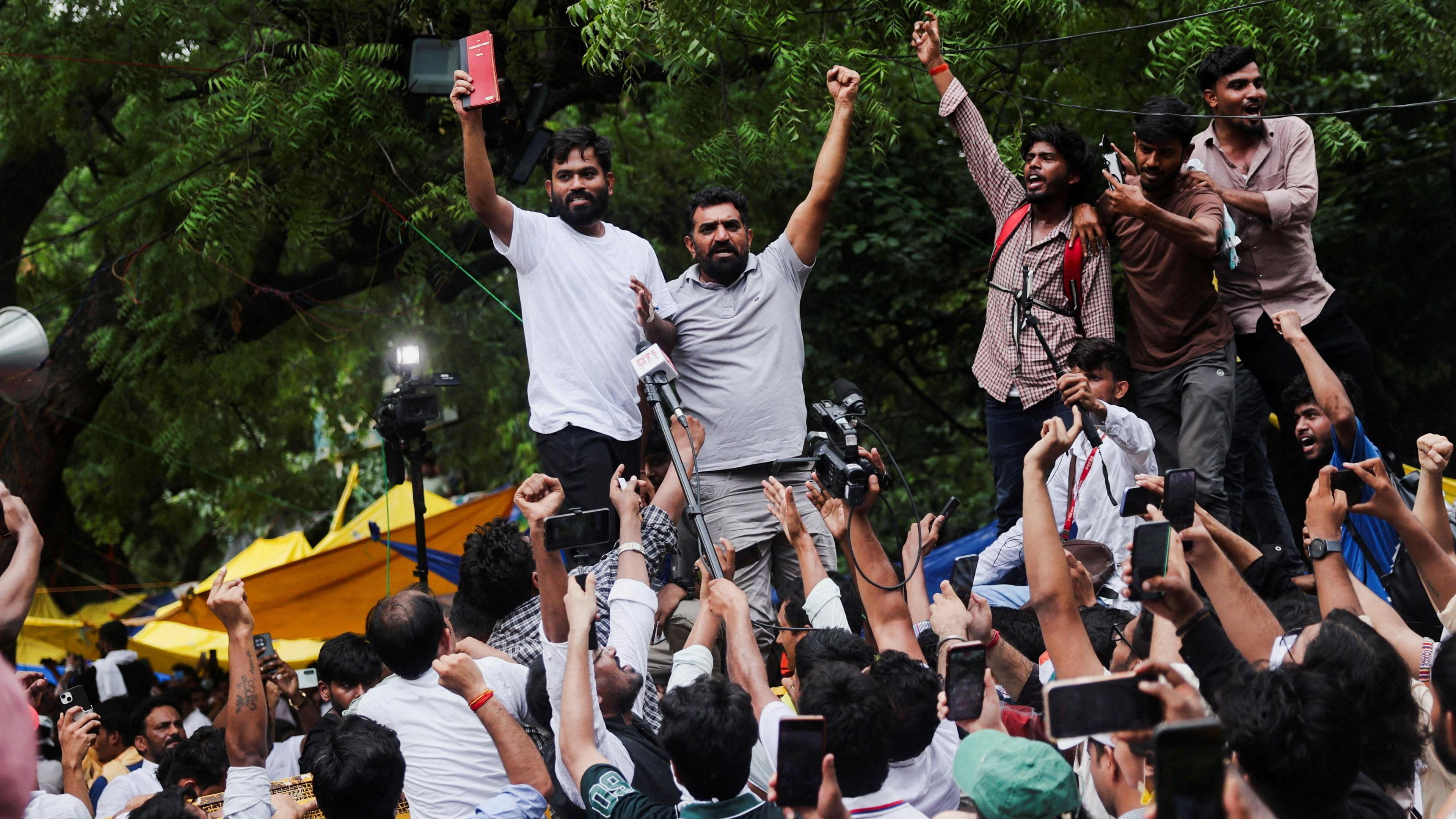
Despite a police check‑point and a road block, members of the CJP entered the city’s main thoroughfares with banners, chanting slogans that echoed the party’s rising profile. The police, answering to a span of security forces, moved to secure the area and arrest protest leaders. Over 400 activists were detained, including the party’s head, Abhijeet Dipke. A video shared on social media shows the founder being surrounded by police as the crackdown unfolded.
The detained protesters reacted with outrage, smashing bus windows and shouting against what they described as a heavy-handed attempt to silence dissent. The incident is part of a broader trend of heightened political protests in India, especially as the government faces criticism over economic and labour policies.
For those observing the clash, the event underscores the tightrope Indian authorities walk between maintaining public order and respecting civic freedoms. With police resources stretched across the city, any such disruption risks inflaming tensions between activists and state actors, setting a concerning precedent for future public demonstrations.