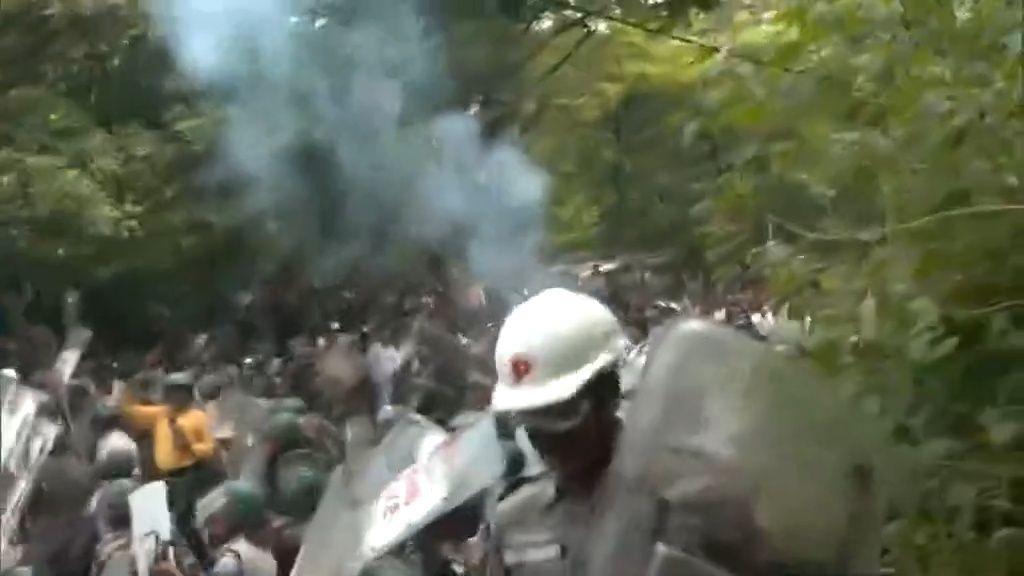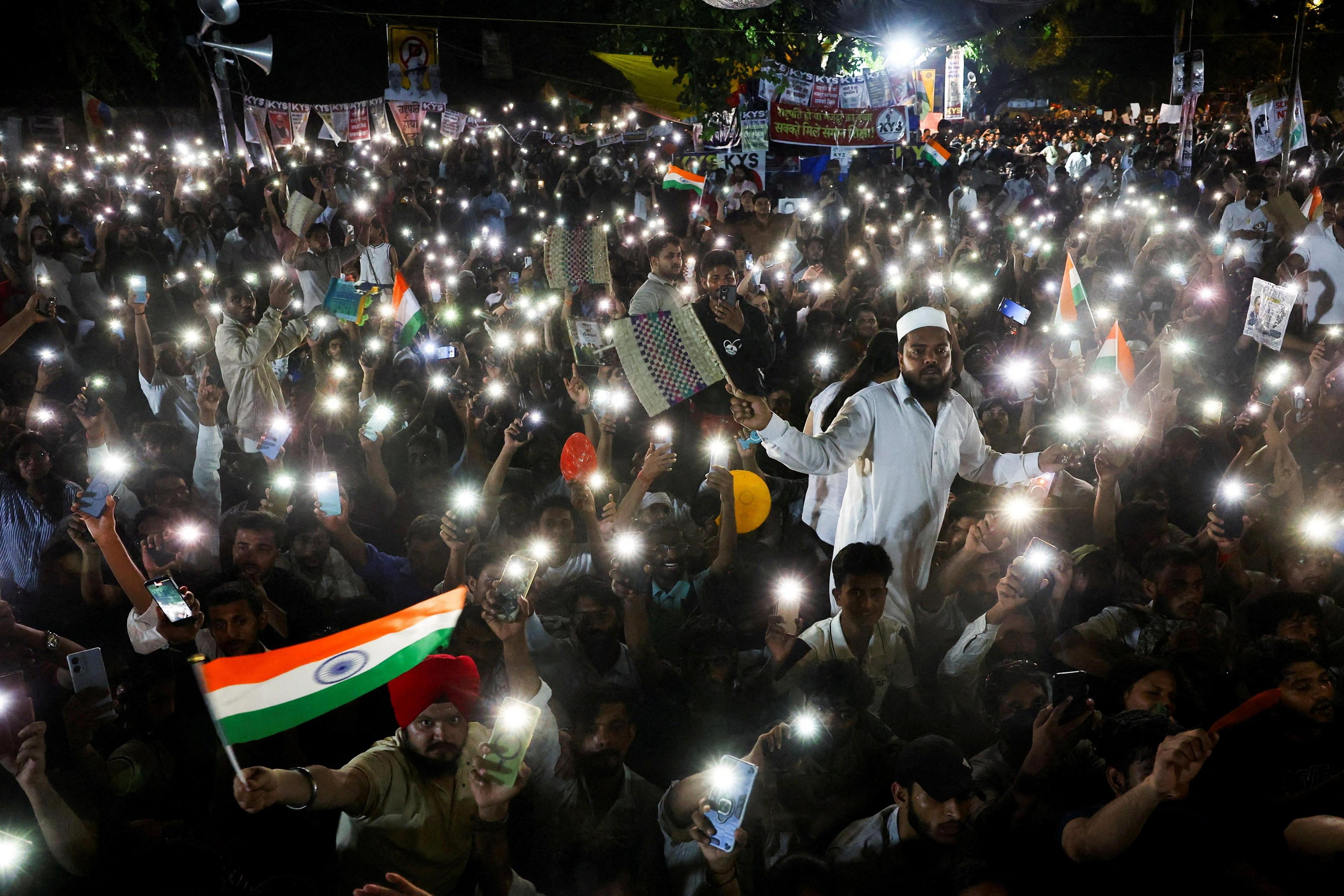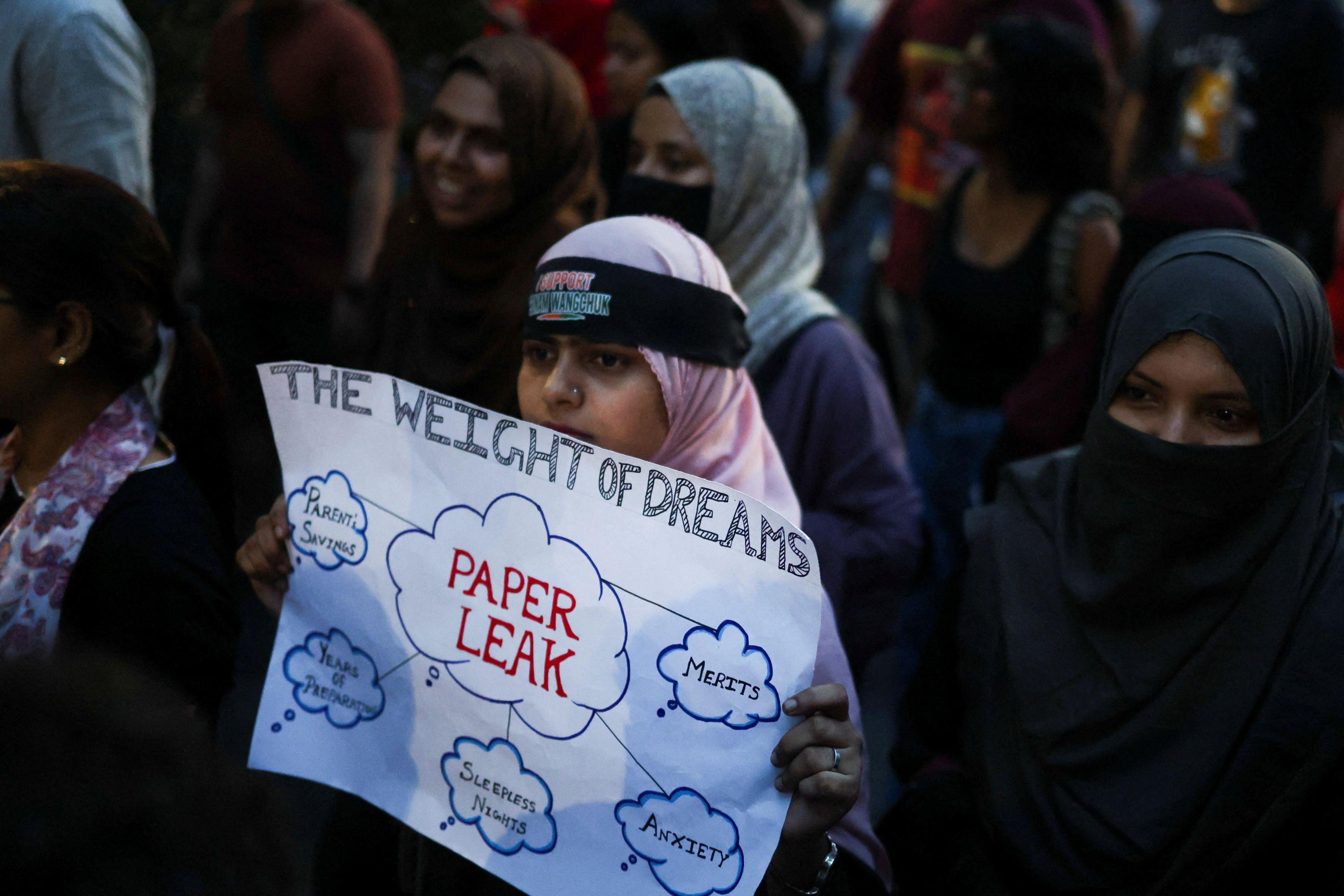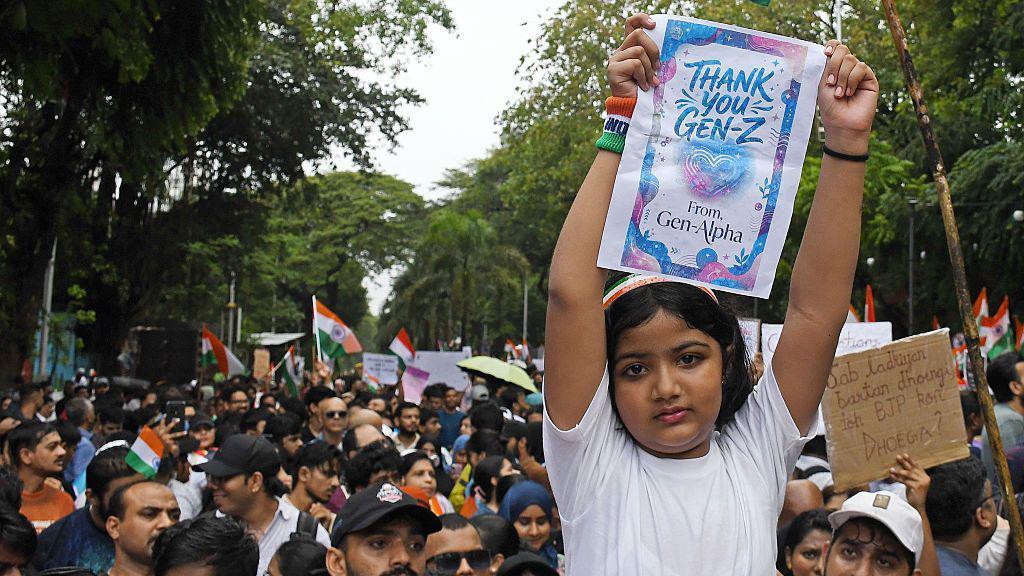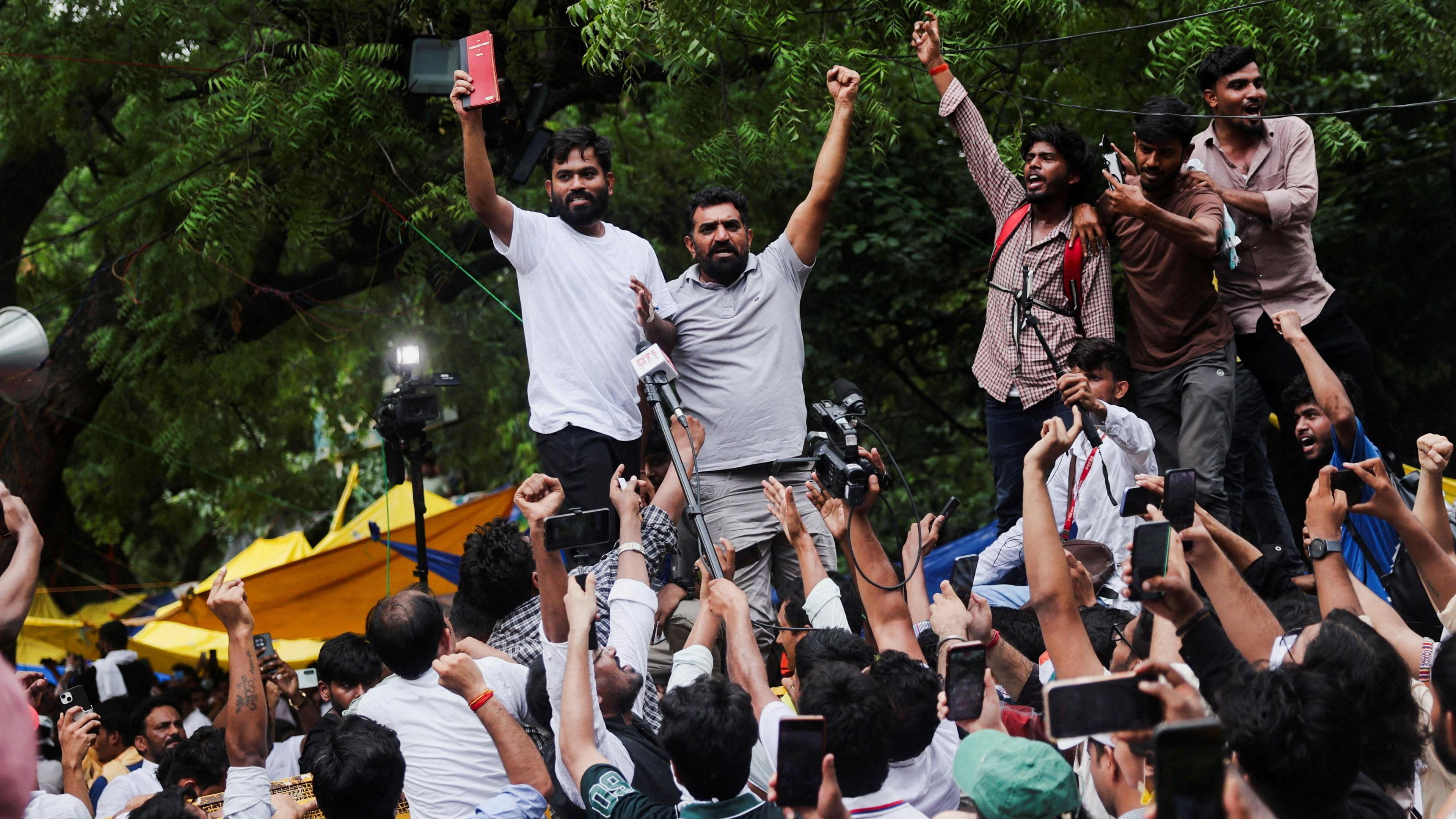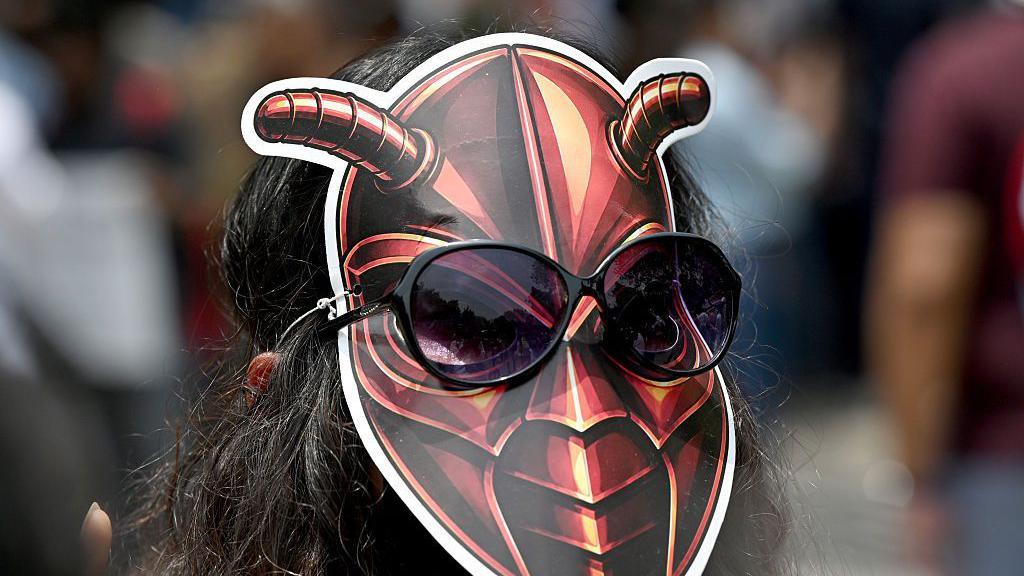
The Cockroach Janta Party (CJP) protests rocked Delhi on July 20, 2026, turning ordinary students into viral stars on Instagram. The movement’s short videos and memes reached hundreds of thousands, recording protest songs, police tear‑gas and baton charges. The online exposure, however, opened the door for a wave of gender‑biased abuse that followed the women behind the posts.
Who Are the Women?
The stories that surface are from four young women across India: a content‑creator in her mid‑20s, a 20‑year‑old college student, a Muslim student activist, and a student from West Bengal. All of them argued that the protest was a genuine call to action, yet each faced a distinctly different brand of hostility after they taped their experiences online.
Harassment on the Daily
Messages appeared in the dozens: rape threats, “slut‑shaming” comments, false accusations of prostitution, and insults tied to their religion and gender. Some were called “hijra” and branded as terrorists. In one case, the student had to lobby her family to prevent a personal name from being associated with her videos, fearing a father‑to‑lawyer escalation. The repeated harassment forced many to lock accounts, delete content and abandon public engagement.
A Staggering After‑math
Which data point is the most alarming? The testimonies show that women were forced to fight for normalcy in a digital noise arena that men do not have to navigate. The content creators bled out heart‑breaking comments, but men who posted similar content did not receive the same level of retaliation. The raw, personal nature of social media posts empowered the police to go and identify victims via screenshots, changing the nature of protester accountability. The moral of the story appears to come from a fear that “the system” is targeting them because of their gender, as well as the very silence that still rings louder in some radially aligned spaces.
What Can We Do?
The BBC’s investigation discovers that while the CJP is dismantled, the conversation about online safety has not yet been validated. The key answer might require both distinct legal protections for digital violence and determinate workplace safety left to the jurisdiction of digital platforms (and the larger government). If India can enforce a more standardized approach, we can make sure “public protestors” can do the good without violence caused by false advertising and illegal sharing of personal data. Even today, the awareness of such politics‑ful region on global platforms reminds us that virtual, misogynistic attacks can be truly global in scale, continuing each year after the city wind‑down attacks.