In brief
After five days of talks in Switzerland, the Democratic Republic of Congo and the M23 rebel movement agreed to a detailed plan for peace negotiations under the US‑brokered Doha Framework. The roadmap sets a timetable for talks, creates a monitoring body to oversee a ceasefire, and calls for flexibility on contentious issues such as sanctions and the release of detainees. Disputes remain over political reforms, but both sides have committed to a mechanism that reviews implementation and addresses challenges. The agreement follows continued clashes in North and South Kivu, where the M23 and the Congolese government accuse each other of violating ceasefire terms. The deal marks a cautious step toward de‑escalating a conflict that has caused many casualties and displaced hundreds of thousands.
The Democratic Republic of Congo government and the Rwanda‑backed M23 rebel group announced they have drawn up a new roadmap to end years of fighting in eastern Congo. Five days of Swiss‑hosted talks culminated in a commitment to negotiate under the Doha Framework and to create a ceasefire monitoring body.
Key elements of the plan include a clear timeline for summit phases, a secretariat that will supervise progress, and a verification mission that will begin in Minembwe, a hotspot in South Kivu. Both sides remain at odds over sanctions, detainee releases and the pace of political reforms.
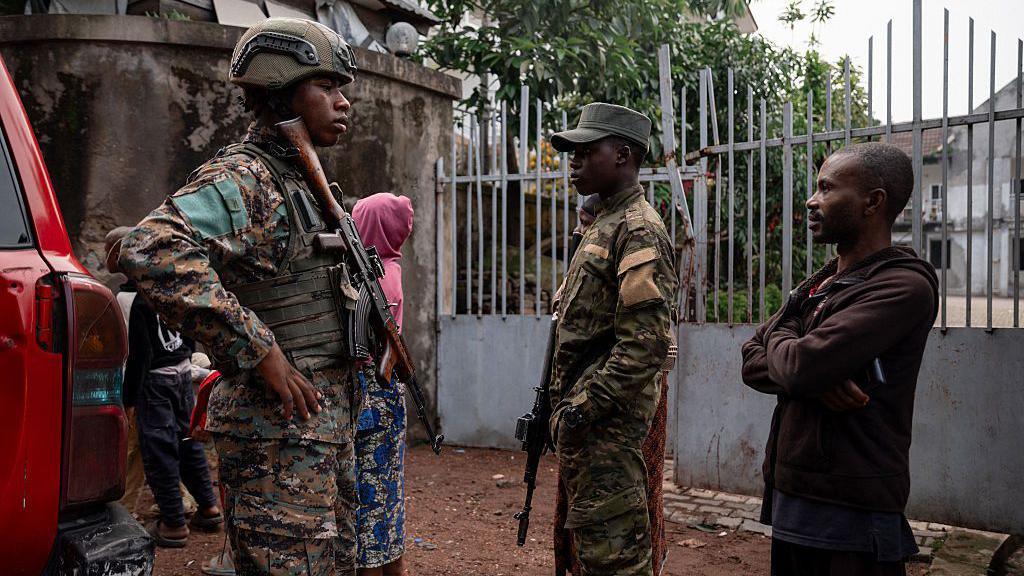
Even as negotiations progress, hostilities persist. The M23 and the Congolese army repeatedly accuse each other of breaching the ceasefire, illustrating the fragile nature of the agreement. Still, the roadmap is seen as a cautious but significant move toward lasting peace.
Behind the conflict are tensions between Congo and neighbouring Rwanda. Rwanda accuses Congo of harbouring the Democratic Forces for the Liberation of Rwanda, while Congo denies supporting that group and claims Rwanda supplies the M23. The eastern region is rich in coltan and other minerals vital to the global electronics industry, adding economic stakes to the political struggle.