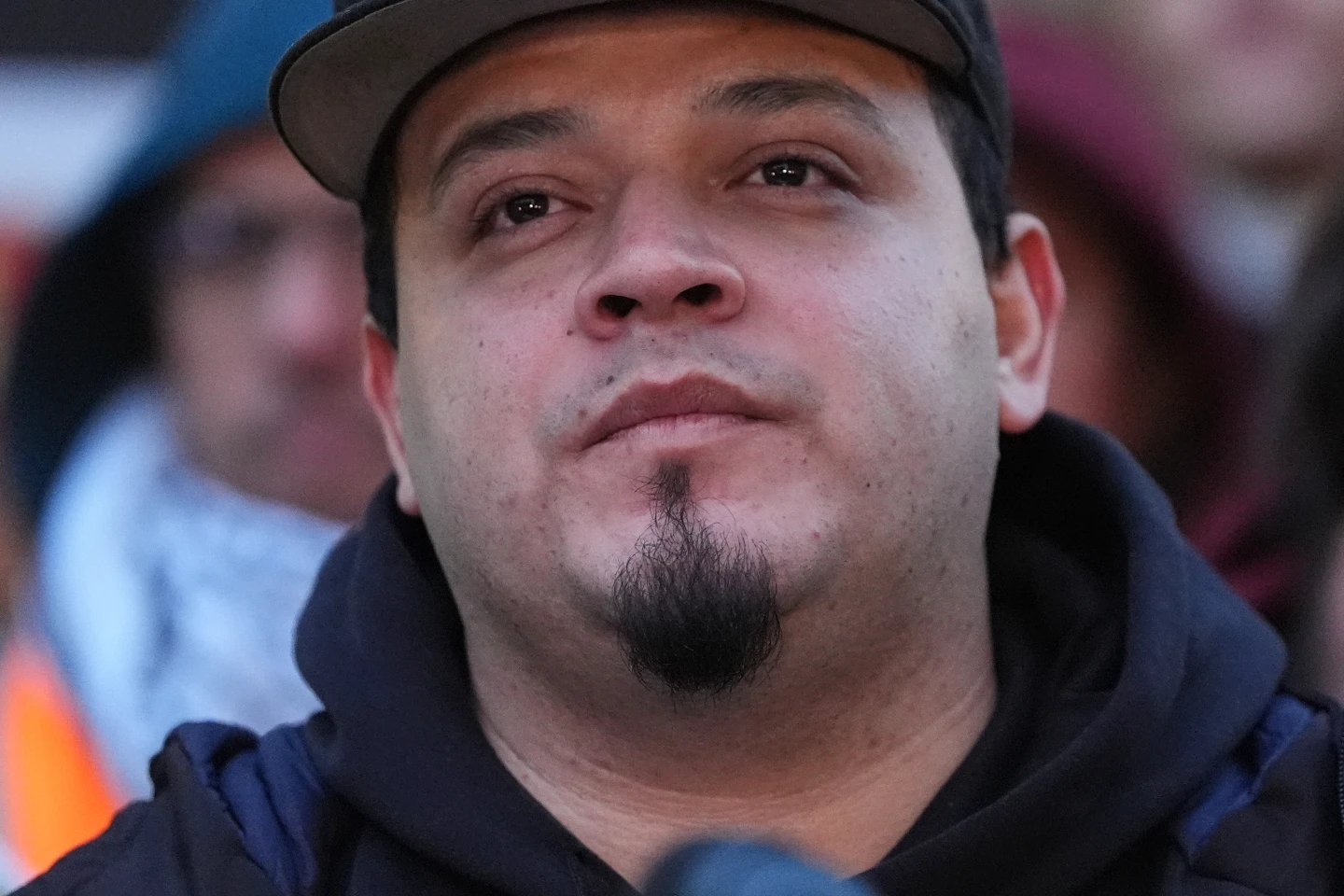
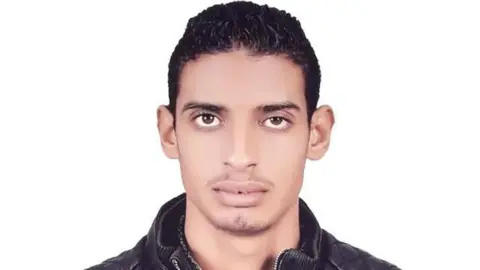
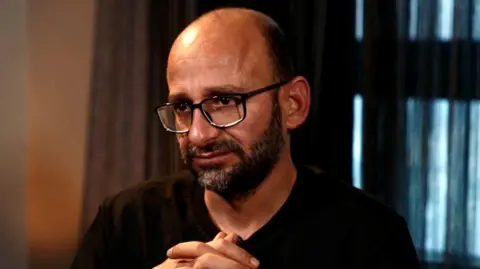
WASHINGTON — The Department of Homeland Security (DHS) has retracted its plan to deport Guan Heng, a Chinese national who has drawn international attention for documenting human rights abuses in Xinjiang. His situation prompted public outcry, as there were fears he would be severely punished by the Chinese government upon his return.
Human rights attorney Rayhan Asat, who is involved in Guan's case, revealed that Guan's lawyer received a communication from the DHS confirming the cancellation of the deportation order, which sought to send him to Uganda. Asat expressed optimism that Guan's asylum case would now be processed smoothly and favorably.
Zhou Fengsuo, executive director of the advocacy group Human Rights in China, also confirmed the positive turn of events. We’re really happy, Zhou stated. However, DHS did not immediately respond to inquiries regarding their decision. Immigration and Customs Enforcement records continue to categorize Guan as a detainee.
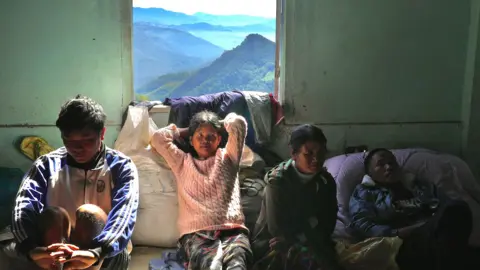
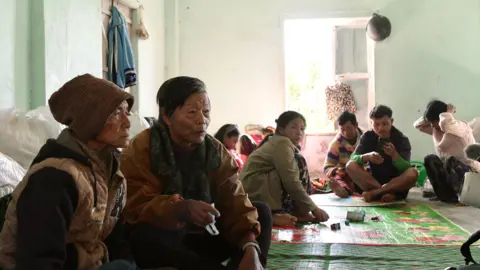
Guan, aged 38, gained prominence in 2020 after he secretly filmed Uighur detention camps in Xinjiang, facilities described by activists as instruments for mass incarceration of ethnic minorities, including approximately one million Uighurs. The Chinese government has publicly denied these allegations, framing the camps as educational and vocational training centers.
His legal team is currently working on securing his release from an ICE detention facility in New York. In 2021, Guan fled China after realizing he could not release his footage while in the country, first moving to Hong Kong, then to Ecuador, and ultimately traveling to Florida by small boat.
Upon his arrival in the U.S., Guan's footage revealed disturbing insights into the detention facilities, leading to widespread concern over his safety after he was subsequently doxxed, and his family faced threats from Chinese authorities.
The recent support for Guan from various quarters, including congressional members, underscores the importance of protecting whistleblowers who expose human rights violations. The Tom Lantos Human Rights Commission remarked on social media that “Guan Heng put himself at risk to document concentration camps in Xinjiang, part of the CCP’s genocide against Uyghurs.”
Public and legislative support for Guan is expected to continue, as various human rights organizations push for his asylum application to be granted, emphasizing the U.S.'s moral duty to stand by victims of human rights abuses.