Cuba is bracing for significant changes in light of Nicolás Maduro's removal as Venezuela's president. The historical ties between the two nations, stemming from their shared commitment to state-led socialism, have left Cuba vulnerable to the repercussions of Venezuela's political upheaval.
Following the death of both Hugo Chávez and Fidel Castro, Maduro, groomed in Cuban ideology, was viewed as a figure of continuity, representing both revolutions. With his ousting, the Cuban government faces the reality of losing a crucial ally. A recent U.S. military operation that resulted in the deaths of 32 Cuban nationals has been vehemently condemned by Havana, which has declared a national mourning.
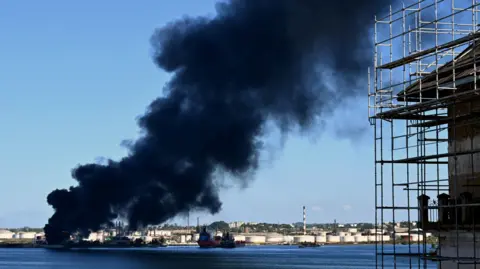
The relationship between the two nations has been pivotal, as Venezuela provided crucial oil supplies to Cuba in exchange for medical professionals. Now, with Maduro's fall, the continuity of that oil supply is uncertain, amplifying fears of an intensified economic crisis in Cuba – one that has already experienced widespread energy shortages and public health emergencies.
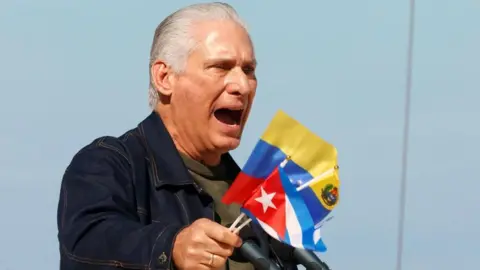
President Miguel Díaz-Canel remains firm in his denunciations of U.S. actions, stating that Cuba will honor its fallen combatants while indicating a readiness to face further imperialist threats. Underlying the surface solidarity, tensions over the balance of power and influence are surfacing within Venezuela, complicating Cuba's strategic situation.
The U.S. administration under President Trump is leveraging this instability to assert control, driving a wedge into Venezuelan leadership and potentially reshaping Cuba's political landscape. The fallout from these changes will likely usher in a new era of both challenges and resistance for the Cuban state.