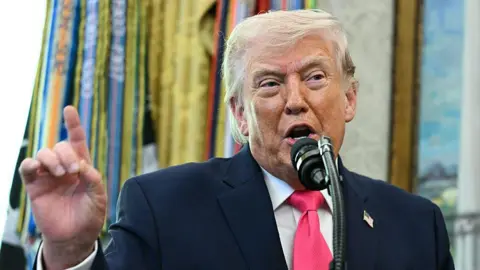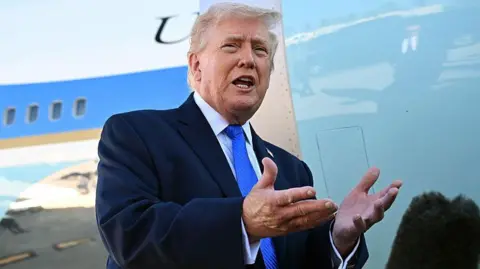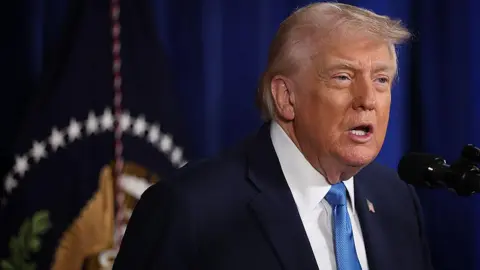
In a bold assertion following a military operation that reportedly displaced Venezuelan leader Nicolás Maduro, President Donald Trump claimed that the US oil sector could begin operations in Venezuela in as little as 18 months. Speaking to NBC News, Trump remarked, a tremendous amount of money will have to be spent, and the oil companies will spend it, and then they'll get reimbursed by us or through revenue.
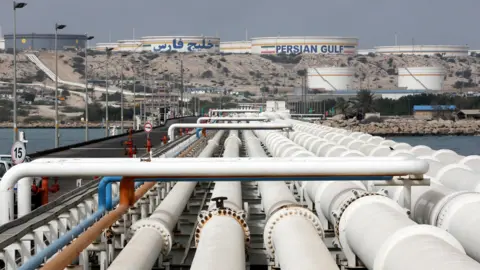
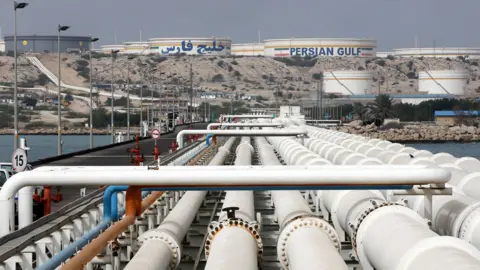
Major US oil representatives are expected to meet with the Trump administration soon to discuss the next steps. Historically, analysts have suggested that restoring Venezuela’s previous output might cost tens of billions of dollars and take many years due to the age and condition of the country's oil infrastructure.
Trump's remarks came shortly after he stated the US would take control of Venezuela's oil reserves, reinforcing his administration’s ambition to exploit one of the world's largest oil reserves, which has suffered from decades of mismanagement and decline.
Experts warn, however, that the timeline proposed by Trump is overly optimistic. The complexity of Venezuelan oil extraction, and the need for a stable government, could delay significant production increases even further.
As he outlined his plans, Trump added, Having a Venezuela that's an oil producer is good for the United States because it keeps the price of oil down. However, analysts have indicated that immediate benefits to global oil supply and pricing may not materialize if US firms hesitate to invest until political stability is assured.
Venezuela was once a powerhouse in oil production, holding the world's largest oil reserves, but has seen production diminish dramatically over the past two decades amidst political turmoil and economic decline.
The complexities of Venezuelan oil nationalization, dating back to actions in 1976 and under Hugo Chávez in 2007, are critical to understanding the landscape into which US firms would be stepping.