In brief
A Florida‑appointed judge who was nominated by Donald Trump has stepped in to preside over the president’s high‑stakes defamation action against the BBC. The case centers on a Panorama episode that edited a speech Trump gave in January 2021, a move the broadcaster later apologized for but denies was defamatory. Judge Jeffrey Kuntz, confirmed last month, previously handled a similar lawsuit involving the Pulitzer Prize board, raising questions about potential conflicts. The trial is scheduled for February 2027, with the president demanding a jury trial. The transfer of cases may signal a strategic shift in the litigation’s direction.
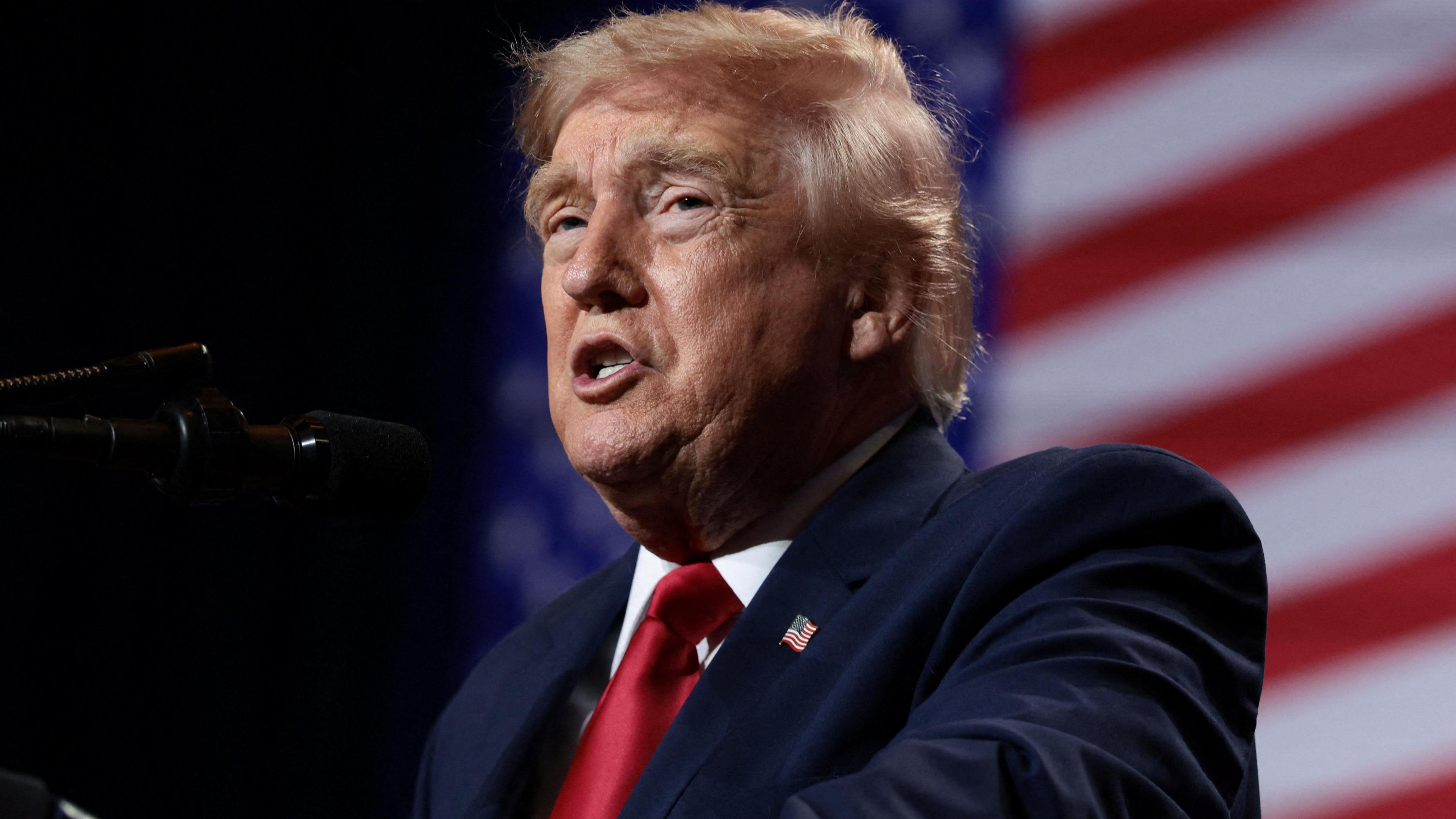
A newly confirmed federal judge, nominated by former President Donald Trump, has taken the helm of the US president’s high‑profile defamation lawsuit against the BBC.
The case, which allegedly costs the president roughly ten billion dollars, disputes how a BBC Panorama programme edited a speech Trump delivered on 6 January 2021, outside Washington’s Capitol. The broadcaster later issued an apology but maintains the edited clip did not cross into defamation territory.
Judge Jeffrey Kuntz, confirmed in July 2025 and sworn in for the Southern District of Florida, replaces Judge Roy Altman, another Trump appointee. Kuntz’s past involvement in defamation litigation – notably a suit against the Pulitzer Prize board and an NPR‑related case – brings a seasoned perspective to the proceedings.
Trump’s move to appoint Kuntz drew criticism from opponents who cited a potential conflict of interest, as the judge had been consulted on the Pulitzer case when a federal‑court appointment was on the table. Kuntz has said no ethical rule required him to step aside and that White House outreach came after he had formed an opinion.
The case will be heard in February 2027, with the president requesting a jury trial. The BBC, citing lack of jurisdiction in Florida and challenging the legal validity of the claim, seeks removal. The switch to Kuntz could alter the strategy for both sides and set precedents for media‑defamation disputes.
Source: Reuters (image credit: Reuters)