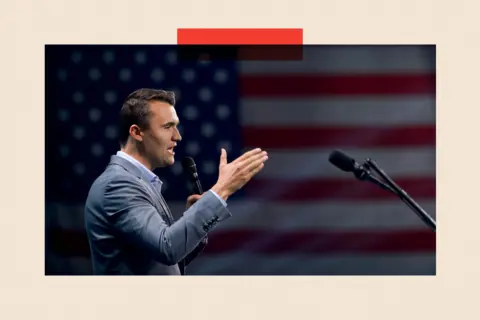
In a high-profile murder case that has captured national attention, defense attorneys for Tyler Robinson, charged with killing conservative activist Charlie Kirk, are urging a Utah court to suppress graphic videos related to the incident. The footage, which has drawn millions of views online, depicts the fatal shooting of Kirk while addressing an audience at a college campus.
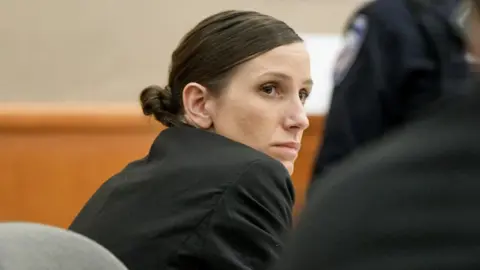
The defense argues that allowing these videos to be shown during a hearing scheduled for Tuesday could taint potential jurors, suggesting that media reporting on the case has already created a “highly biased” environment. They are also requesting the exclusion of cameras from the courtroom, citing concerns that sensationalized news coverage could distort the judicial process.
Conversely, prosecutors, along with Kirk’s widow and various news organizations, are advocating for the proceedings to remain open. Erika Kirk’s attorney expressed concern in a court filing that lack of transparency could fuel misinformation and erosion of public trust in the judicial system. In the absence of transparency, speculation, misinformation, and conspiracy theories are likely to proliferate, the filing stated.
Legal analysts have highlighted the potential for media coverage to bias jurors in cases like Robinson's. Law Professor Valerie Hans noted that jurors may enter the courtroom with preconceived notions shaped by prevailing narratives influenced by the media. When jurors come to a trial with this kind of background information, it shapes how they see the evidence, said Hans.
Prosecutors are eyeing the death penalty for Robinson, indicating that such a sentence would require demonstrating that the crime was especially heinous. This could be bolstered by the graphic nature of the video evidence depicting Kirk’s death. Legal experts warn that the emotional weight of this footage could elicit harsh perceptions from jurors.
Amidst this litigation, public sentiment has already begun to swirl around the political implications of Kirk's activism, especially given his association with former President Donald Trump. University of Utah law professor Teneille Brown noted that spectators’ personal biases could cloud open-mindedness regarding the actual evidence presented at trial.
As the legal arguments continue to unfold, defense attorneys have raised claims of media bias, alleging that news outlets have crossed ethical lines, including using lip readers to interpret private conversations within the courtroom. A judge recently halted filming after a camera operator breached courtroom protocol, prompting fears from the defense about external influences.
Prosecutors remain firm in their stance for transparency amidst the heightened media scrutiny surrounding the case. They argue that the public's right to witness judicial proceedings must take precedence over claims of potential bias. Furthermore, they noted that videos documenting the incident, which some fear might contribute to a biased jury pool, are critical to understanding the events that transpired.
As Robinson's legal team calls for disqualification of local prosecutors over alleged conflicts of interest, the case presents challenging questions about the intersection of public interest, media responsibility, and the integrity of the judicial system.