In brief
The board overseeing Wisconsin's university system has fired President Jay Rothman, citing a lack of urgency in addressing crucial issues, including artificial intelligence, and fears of upsetting key stakeholders. Rothman's claims of being blindsided by the decision were rejected by regents during a state Senate hearing. They insisted that substantial reasons led to this decision, which was made unanimously after a closed-door meeting.
MADISON, Wis. — The board of regents overseeing the University of Wisconsin System has fired its president, Jay Rothman, in a decision that caused a stir among lawmakers and administrators. Rothman was reported to be taken by surprise, claiming he was blindsided by the ouster, but regent members disputed his stance.
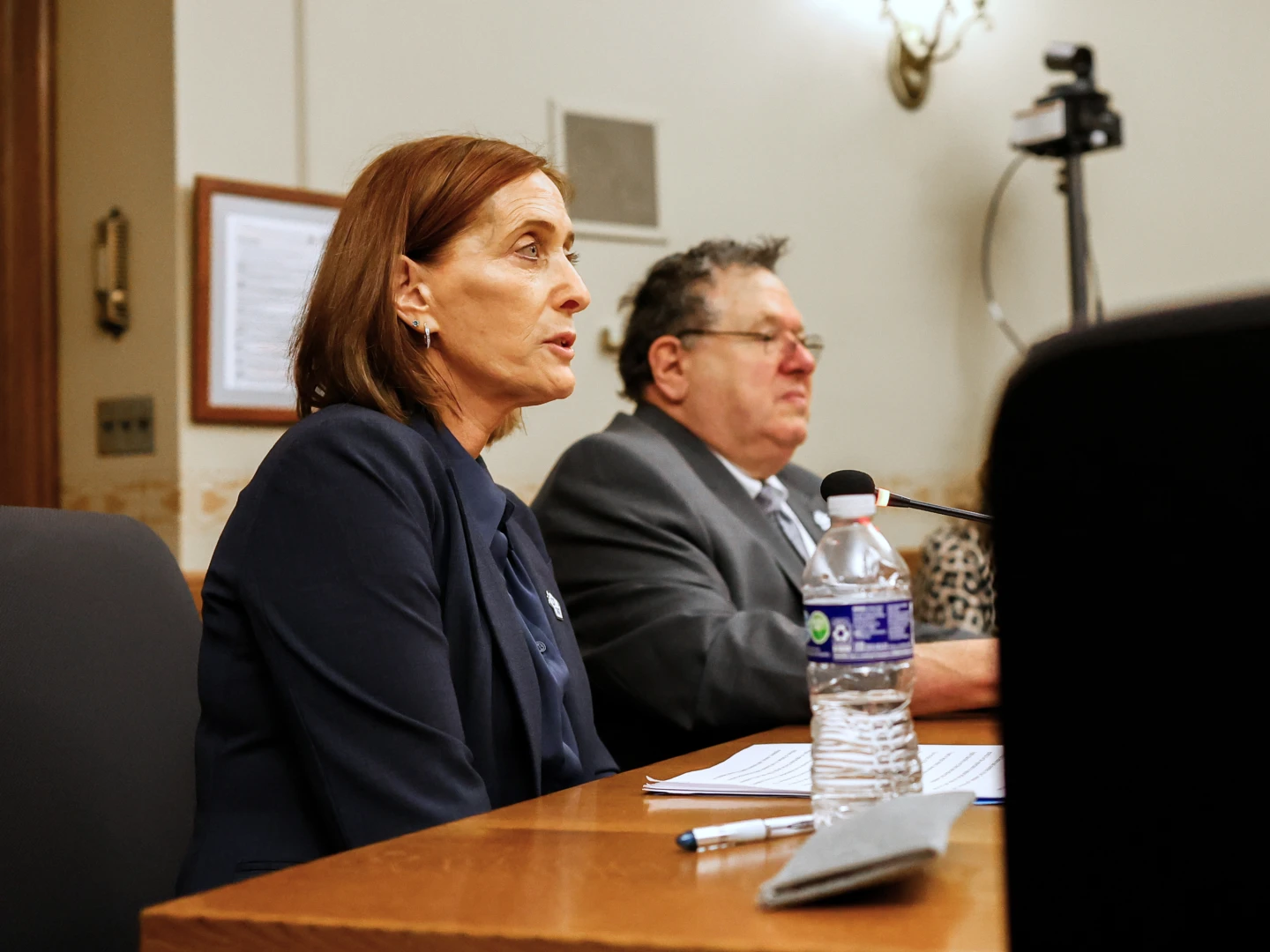
During a state Senate committee hearing, regents highlighted that Rothman had been slow to address critical issues, citing the importance of artificial intelligence, which the board believes requires immediate attention. Furthermore, they claimed Rothman's hesitation stemmed from a desire to avoid upsetting various stakeholders, including faculty and state lawmakers.
Regent President Amy Bogost emphasized that the decision to dismiss Rothman was not a political move but rather a necessary resolution stemming from pressing concerns about his leadership. It was not political. It was not retaliatory. It was unanimous... We made a difficult decision for the right reasons, Bogost stated.
Two regents who testified at the hearing asserted that Rothman was aware of significant reasons behind his dismissal. This counters Rothman’s claim to The Associated Press, where he expressed being unaware of the reasons for his termination.
Some regents voiced that Rothman's approach was akin to a corporate environment, advocating for a change in leadership akin to selecting a new quarterback, while expressing concerns regarding his capacity to address the university system's goals. In earlier discussions, Rothman faced criticism for limiting public discussions and interactions between board members and lawmakers.
As the situation develops, Rothman's insistence on confidentiality regarding personnel decisions has drawn scrutiny from regents. They suggested that he might benefit from waiving this confidentiality, allowing for a broader, transparent dialogue surrounding the situation.
This controversy illustrates the delicate balance university leadership must maintain when navigating the dynamics of educational policy and public accountability, especially as emerging technologies like artificial intelligence demand urgent and proactive engagement.