A new Bollywood spy film is generating praise - and unease - in India and Pakistan for its contentious portrayal of the longstanding hostilities between the South Asian neighbours.
'Dhurandhar,' which hit cinemas last week, plunges audiences into a high-octane world of espionage, gang wars and patriotic fervour.
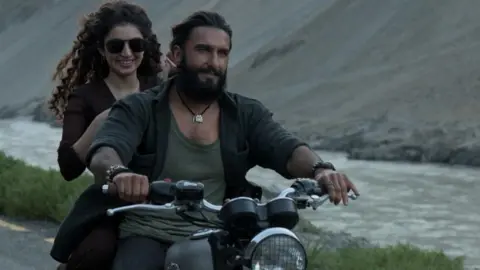
Anchored by Bollywood star Ranveer Singh's swaggering performance as Hamza, an Indian spy on a perilous mission in Karachi in Pakistan, the film traces his battles against criminal networks, shadowy operatives, and personal demons - all framed against the backdrop of India-Pakistan tensions.
While the action-packed sequences and riveting plot have earned praise from many viewers, the film, directed by Aditya Dhar, has also provoked sharp debate over its political messaging and treatment of historical events. Dhurandhar is directed by Aditya Dhar, known for his successful debut 'Uri: The Surgical Strike.' Despite being his second directorial effort, it follows the trend of films that intertwine nationalism with riveting storytelling.
Arriving months after the worst India-Pakistan military clash in two decades, Dhurandhar sees Dhar re-explore the political-thriller genre with graphic violence and tight, suffocating frames that heighten the sense of discomfort.
Online, praise and criticism have flown in equal measure - there are those impressed by the film's cinematic ambition and exhilarating plot, while others find its hyper-nationalist tone and graphic violence unsettling and inflammatory.
Critics have highlighted the sensitive blending of real-life events with dramatized fiction, including references to well-known terror incidents. Despite facing some backlash from filmmakers and audiences alike, the film enjoys box-office success and has already become one of the year’s biggest hits.
The polarized reactions mirror a larger trend in Indian cinema, particularly with nationalist blockbusters drawing large audiences while often leading to intense debates about their historical accuracy and political messages. As 'Dhurandhar' pushes cultural boundaries, it raises crucial questions about representation, storytelling, and political implications in contemporary cinematic narratives.