In brief
In a fresh food safety scare, Chinese officials are examining reports that cabbages are being treated with formaldehyde to keep them crisp. Footage captured in Hebei province shows vegetables dipped in a chemical solution before transport. The use of formaldehyde—a carcinogenic preservative—on food is banned in China, prompting police actions and nationwide market checks. The incident, which has drawn media scrutiny and government statements, underscores the country’s massive cabbage exports and potential health risks.
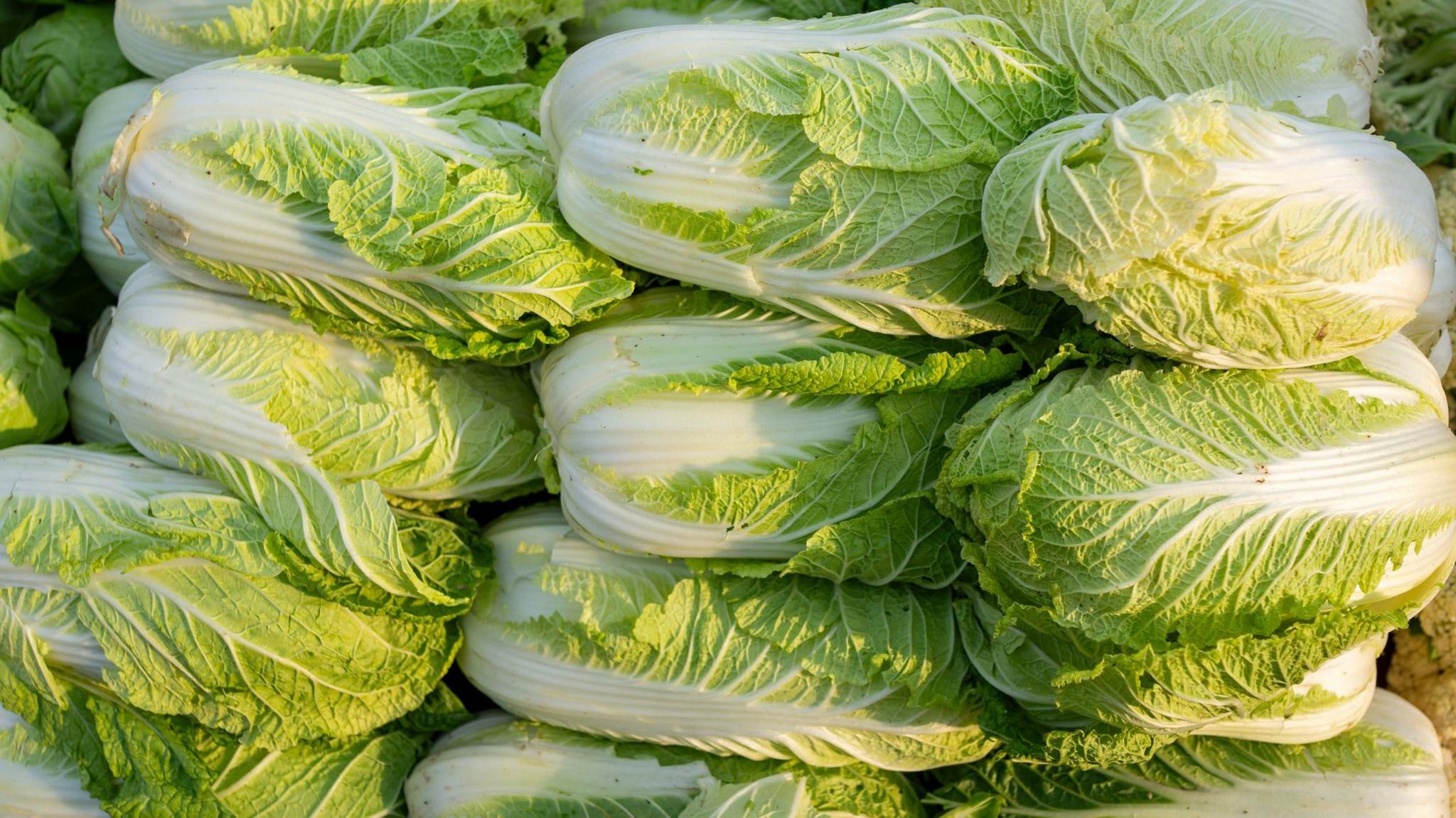
Authorities in China have launched an investigation after reports surfaced that formaldehyde—a chemical used for preserving biological specimens—was being dipped into cabbages to keep them fresh for human consumption.
Officials in the north‑eastern Hebei province confirmed videos revealing farmers submerging cabbages in a solution before loading them onto trucks for distribution.
Formaldehyde is strictly prohibited for use on food in China. It is a colourless chemical that can cause cancer when exposed to high concentrations.
China is the world’s largest producer of cabbages, and most of the crop is exported to neighbouring Asian markets, making the issue of food safety a national priority.
Police have taken legal action against those involved, and local authorities are conducting spot checks across markets nationwide to reassure the public.
State media says investigators will map how widespread the practice is and trace affected produce back to the source.
In Kangbao county, a statement warned that any illegal or non‑compliant practice would be dealt with strictly to ensure the safety of the vegetable supply.
The Xinfadi market in Beijing—one of China’s major fresh produce hubs—says it has inspected its supply chain and confirmed none of the affected cabbages entered its market.
The incident has attracted widespread media attention, with editorial pieces condemning wholesalers for prioritising profits over consumer health.
China annually produces over 30 million tonnes of cabbages, nearly fifty per cent of the global total, with Vietnam, South Korea and Russia among the largest importers.
While high‑level workplace exposure to formaldehyde can boost certain cancer risks, the health effect of low‑dose exposure via food remains unclear according to the American Cancer Society.