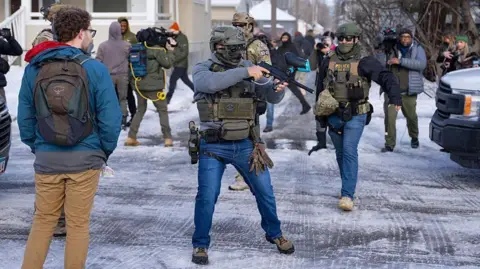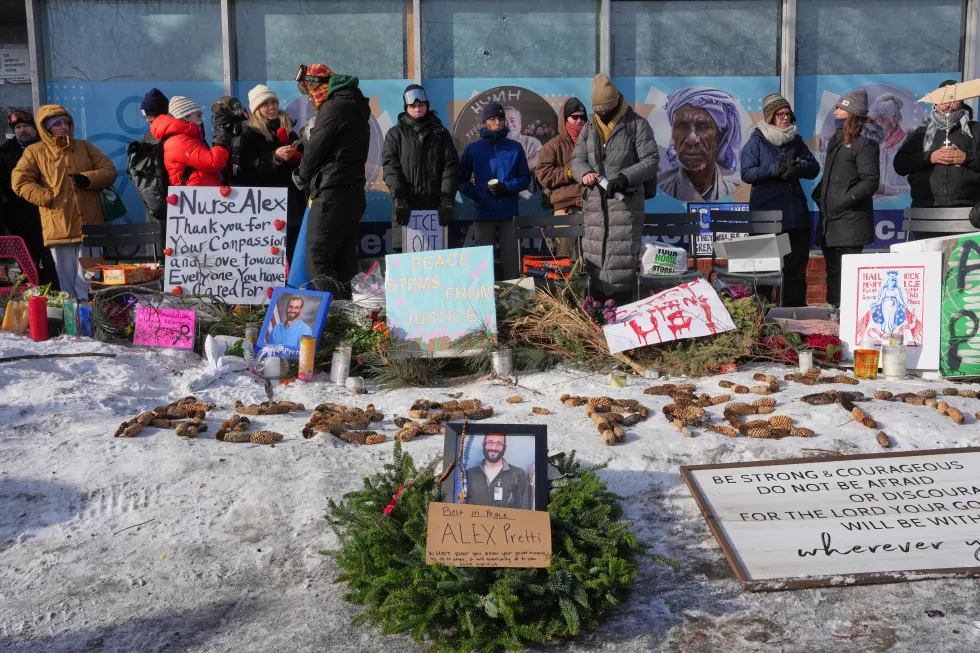
Federal agents in Minneapolis clashed with protesters this past Saturday, leading to the tragic shooting of 37-year-old Alex Pretti. Officials, including Border Patrol senior official Greg Bovino, quickly labeled Pretti as an armed disruptor looking to inflict harm, stating he wanted to ‘massacre law enforcement’ when he brought his gun to the protest. However, video evidence from bystanders challenges these claims, showing Pretti primarily engaged in recording events on his phone prior to the confrontation.
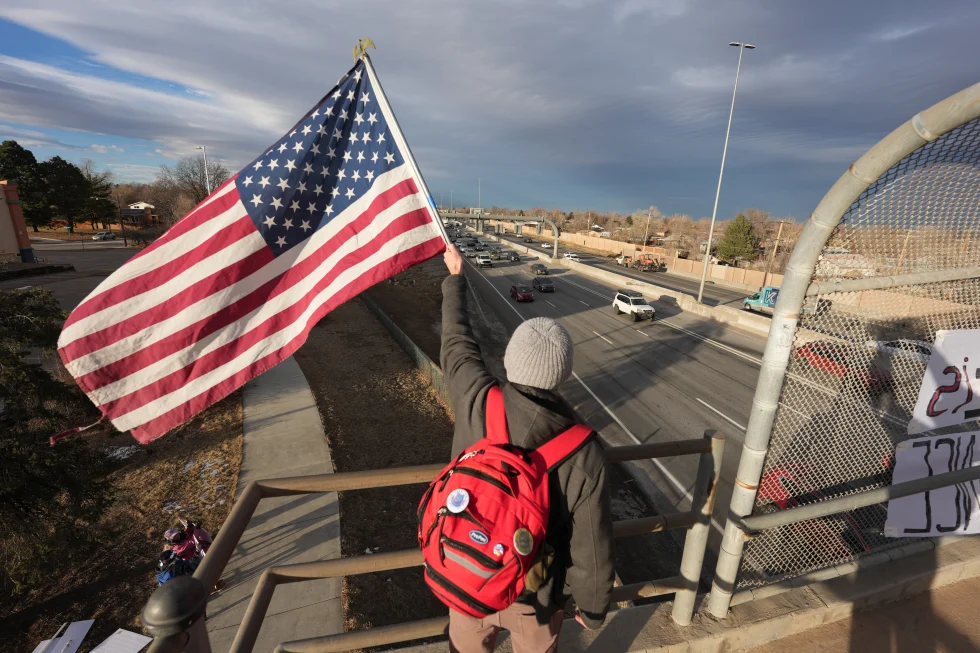
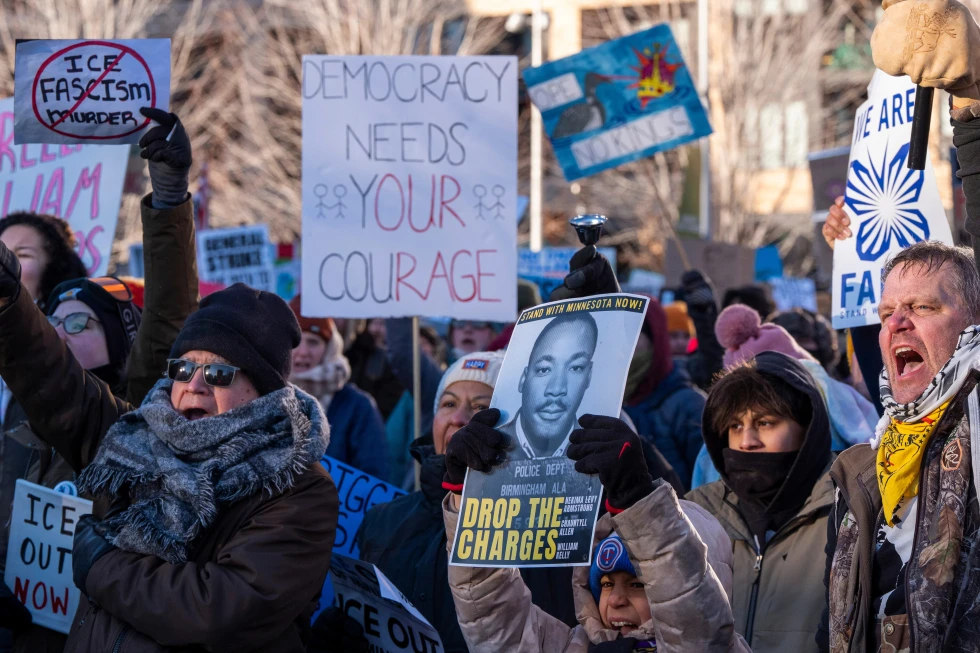
Pretti was among many protesters assembled in Minneapolis to oppose President Donald Trump’s hardline immigration policies, which have drawn widespread criticism. Following the incident, Homeland Security Secretary Kristi Noem stated that Pretti had gone to the streets with the intent to perpetuate violence, attributing rising tensions to local governance that she claimed was irresponsible and corrupt.
In various accounts of the incident, Pretti is depicted as intervening in a scuffle where officers attempted to control other protesters, but footage does not show him utilizing his weapon at that time. Pretti was legally licensed to carry, raising further questions about claims of his threatening behavior towards officers. Video evidence also illustrates the moment officers forcibly subdued Pretti, whereupon one officer discharged a weapon multiple times as tensions escalated rapidly.
Local officials have since countered the federal rhetoric, asserting that peaceful protests outnumbered any acts of violence and reaffirming their commitment to de-escalation. Minnesota Governor Tim Walz stated that the state's objective was to uphold calm while avoiding confrontation, urging for clarity on eligibility regarding protests and immigration laws. Meanwhile, President Trump has continued to blame local officials, calling their handling of the crisis as contributing to the chaos leading to Pretti's death.
The conflicting narratives illustrate the fraught nature of law enforcement interactions with communities amid rising tensions over immigration policy, with the Minneapolis situation serving as a poignant example of these underlying issues.