Ceuta Endures Migrant Flood, Thousands Remain After Mass Landing
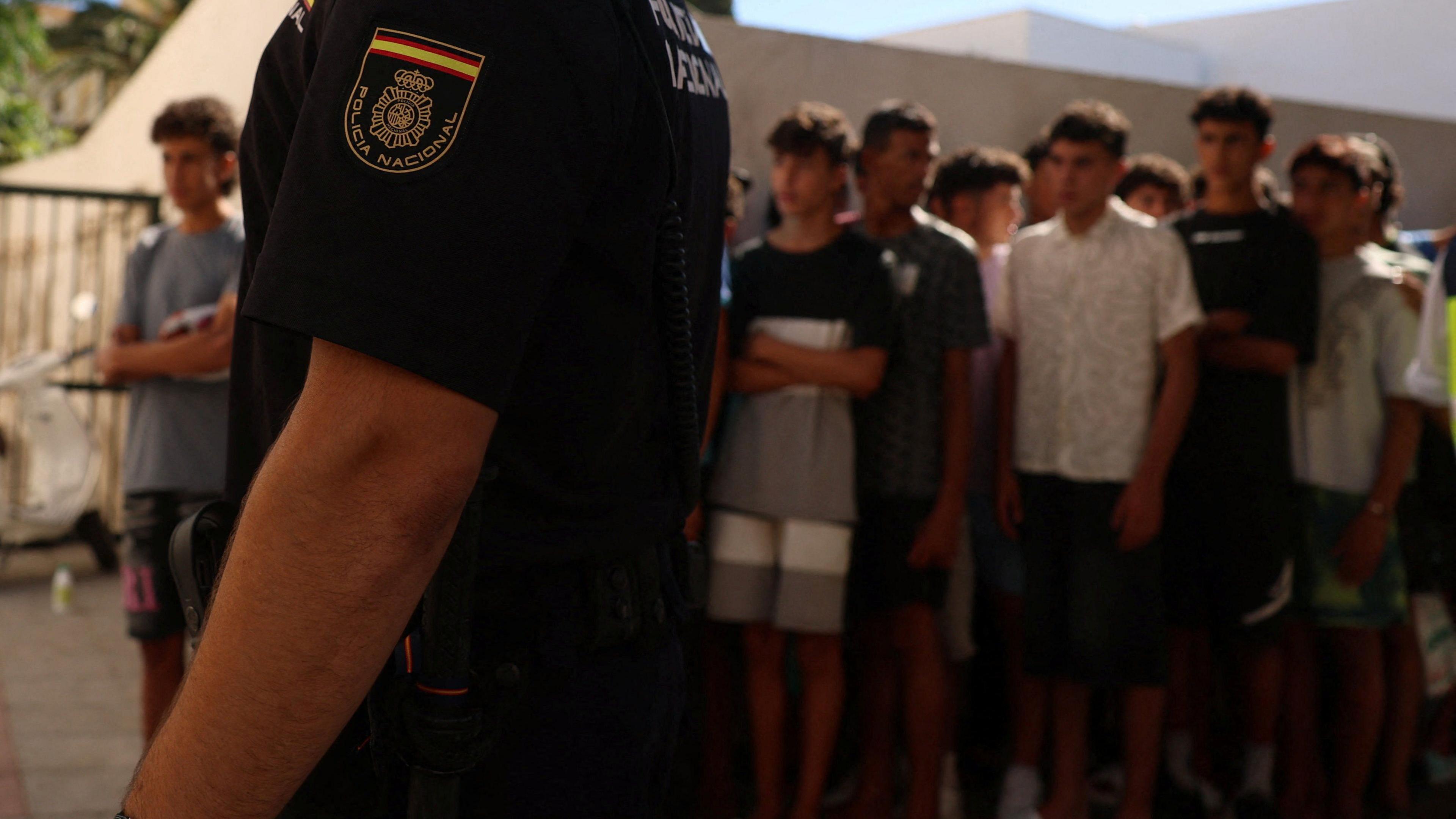
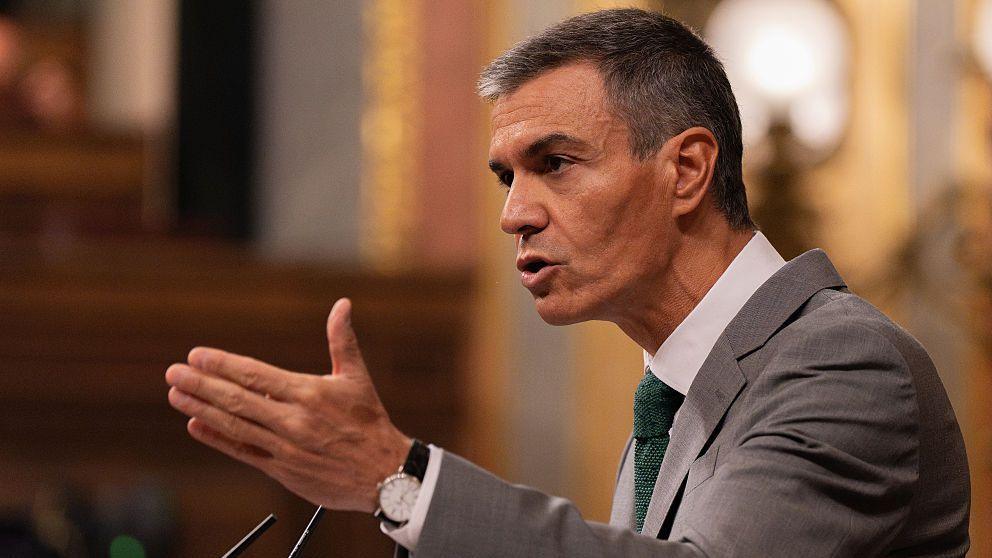
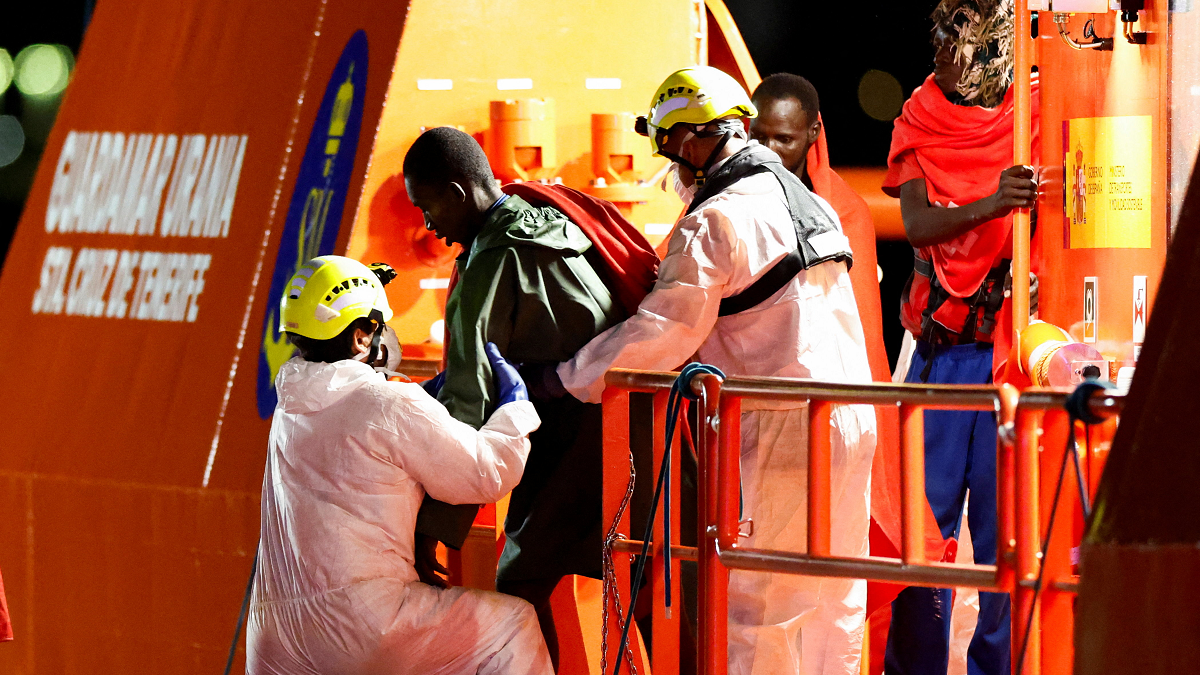
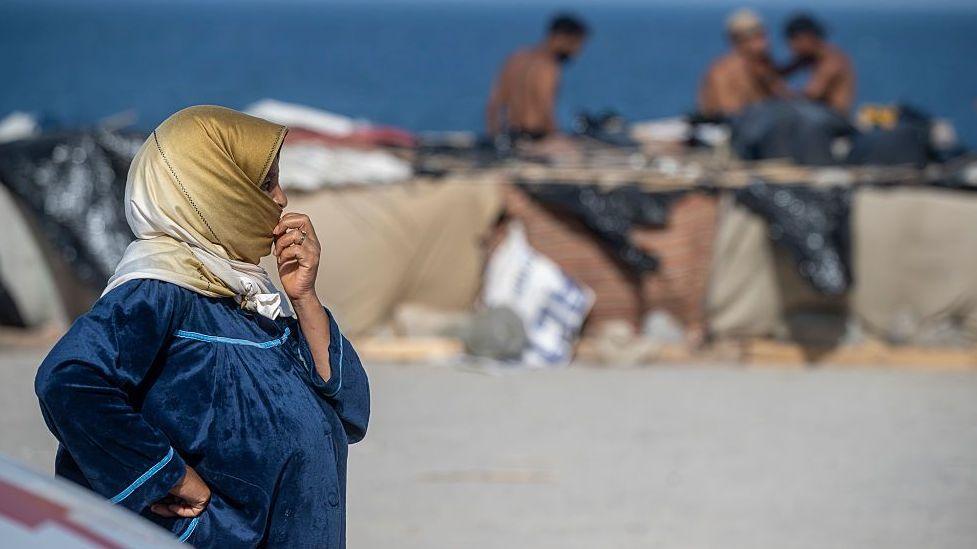
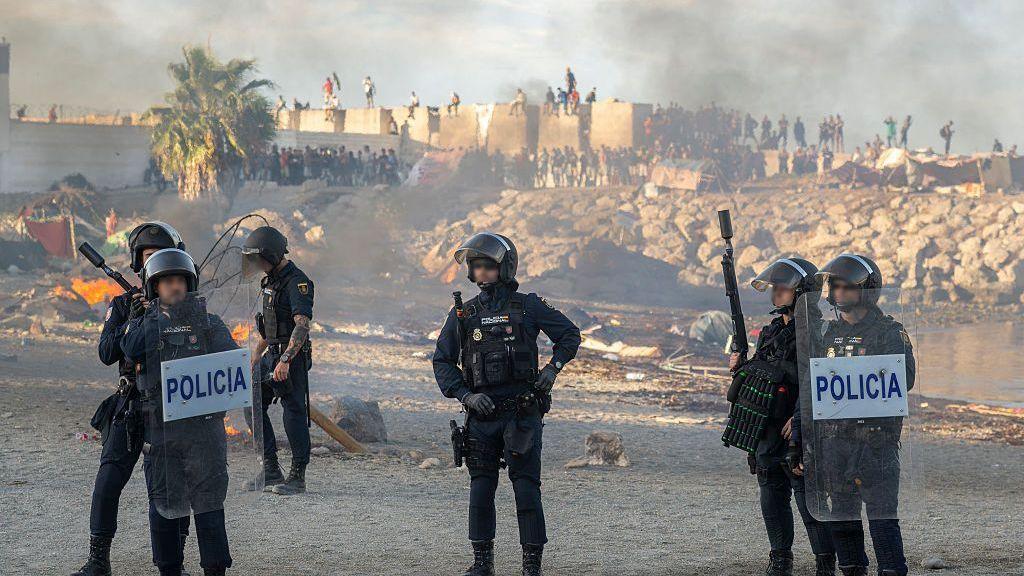
Ceuta's mayor‑president, Juan Jesús Vivas, told the European Parliament that between 3,000 and 5,000 migrants remain in the Spanish enclave after an unprecedented influx that saw roughly 78,000 people arrive by sea on 30 July.
The event was a tragedy of scale, leaving 100 migrant bodies recovered from the sea. Vivas expressed “profound sorrow” over the irreparable loss and lamented that the Spanish Supreme Court’s ruling—saying that people stopped at sea cannot be summarily returned to Morocco— may have removed a deterrent factor, according to the EU’s Migration Commissioner Magnus Brunner.
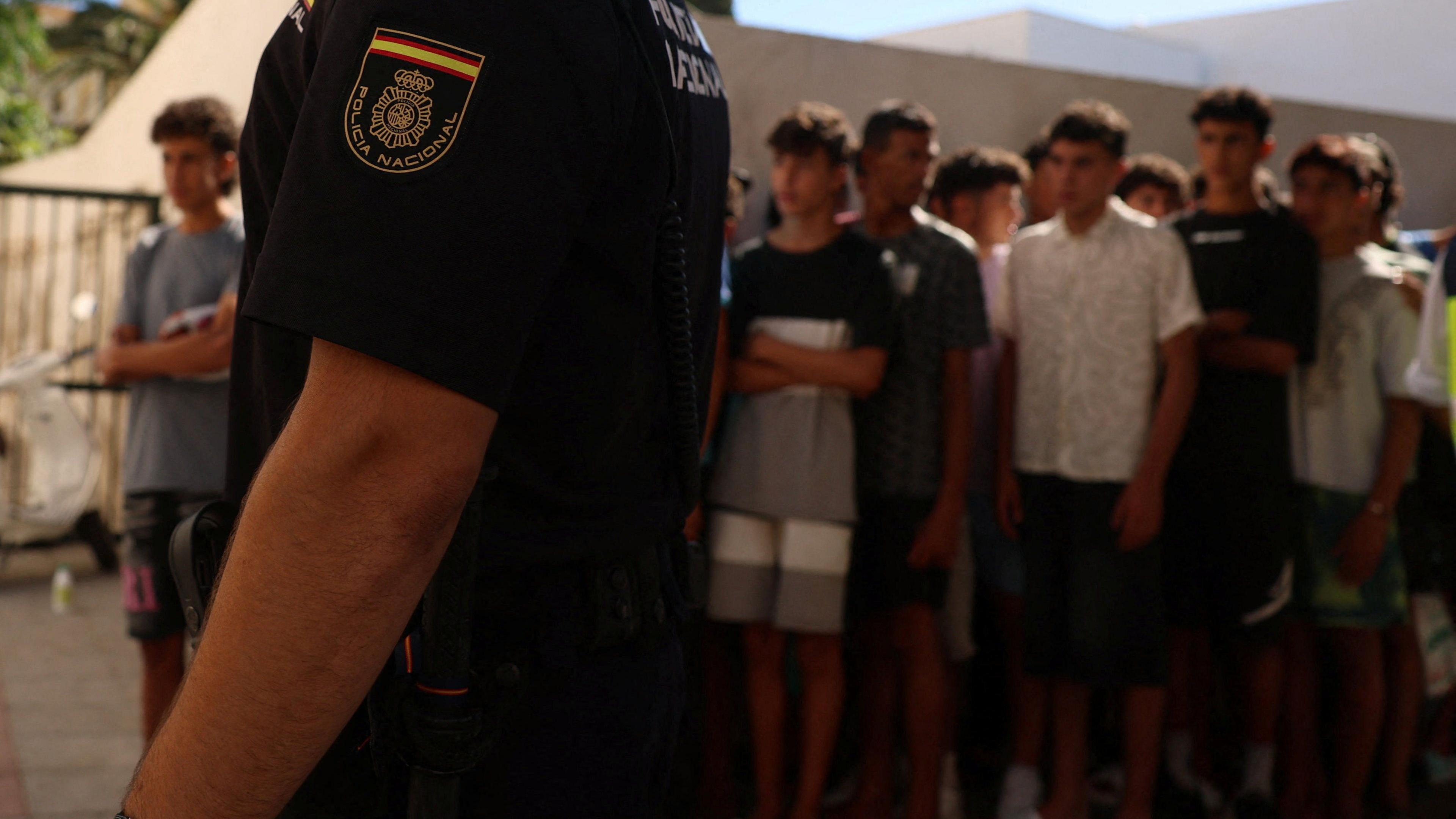
Despite the partial return of nearly 75,000 people to Morocco, circumstances in Ceuta are still dire. The mayor‑president said it is impossible to return children who crossed because it requires their consent, while Spain’s interior minister pledged an €25 million assistance fund for vulnerable juveniles. However, volunteer organisations have reported that around 4,860 children have been registered—double the official estimate—and no minors have yet been transferred to mainland Spain.
The crisis has strained relations within the EU, prompting Italy to suspend its Schengen arrangement with Spain, and the Czech Republic to call for temporary withdrawal of Spain’s membership—although Spain is not currently in the Schengen area. Meanwhile, the EU Commission lauded Spain’s rapid response, deploying armed forces to Ceuta, Melilla and neighbouring Morocco.
Morocco’s reaction has been strong, blaming Spain’s Supreme Court for destabilising the deterrence framework and accusing the consultant that criminal networks further exploited the crisis. Russian-based groups have mobilised potential migrants on WhatsApp, hinting at future attempts, which could trigger another surge. Internationally, the border clash highlights the enduring diplomatic friction over Spanish control of Ceuta and Melilla, and raises questions about the credibility of the EU’s maritime security apparatus.