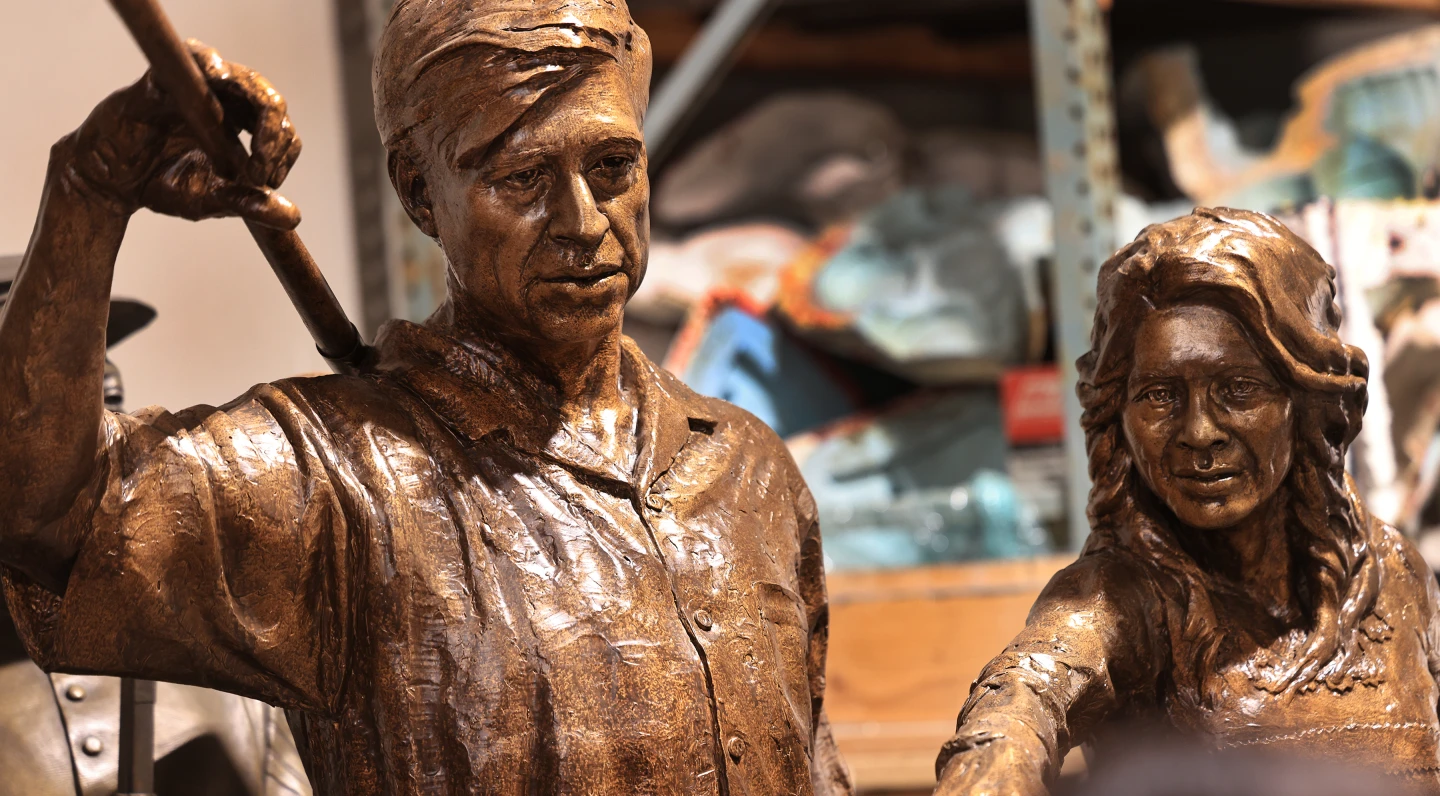
César Chavez, alongside Dolores Huerta, was a significant figure in the labor rights movement, advocating for improved wages and working conditions for farmworkers. However, allegations of sexual abuse against Chavez have emerged, leading to widespread cancellation and postponement of events scheduled to honor his contributions this month.
Chavez and Huerta co-founded the United Farm Workers in the mid-1960s, and they have been pivotal in the labor rights movement, prompting critical legislation that recognized farmworkers' rights to collective bargaining. Nonetheless, the recent allegations have cast a shadow over Chavez's legacy. Dolores Huerta, who co-led movements with Chavez, is among those making these allegations.
Labor history experts, such as Paul Ortiz from Cornell University, highlight the significance of the movement while acknowledging the complexities now surrounding Chavez's contributions. Agricultural workers fought for better treatment and conditions for centuries, and the achievements of Chavez and Huerta stand as milestones in American labor history.
Chavez's reputation as a civil liberties icon is currently being re-evaluated, prompting reflection on how both he and Huerta have been memorialized in schools and public spaces across the country, particularly with March 31 being designated a day in honor of his contributions following his passing in 1993.
As celebrations turn into discussions about abuse and accountability, the public grapples with the dual nature of Chavez's legacy—one of activism and improvement for farm laborers, now complicated by serious allegations that resonate through the historical narrative of the labor movement.
Huerta, who played an integral role in the movement alongside Chavez, continues to advocate for social change, demonstrating resilience in light of ongoing issues in labor rights and justice.