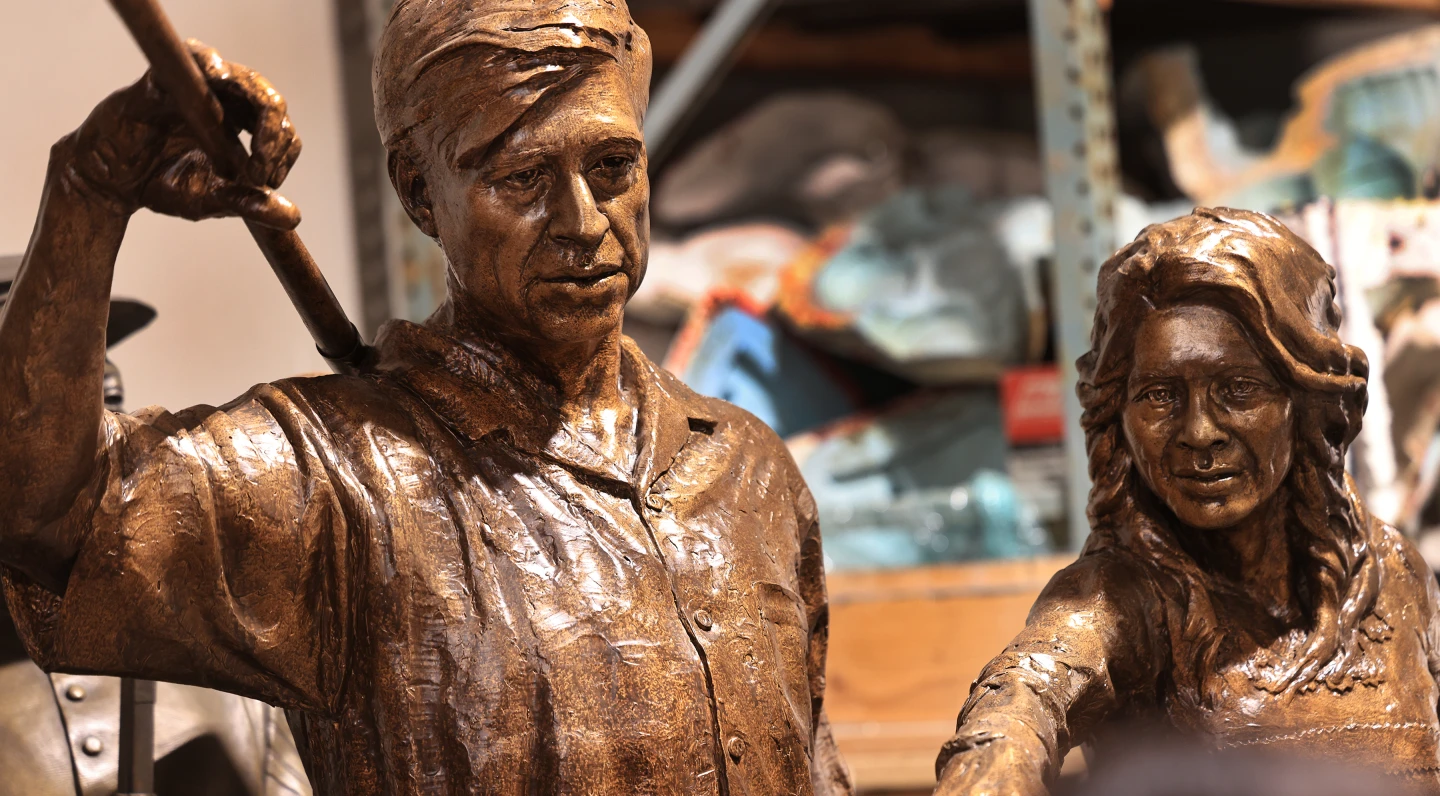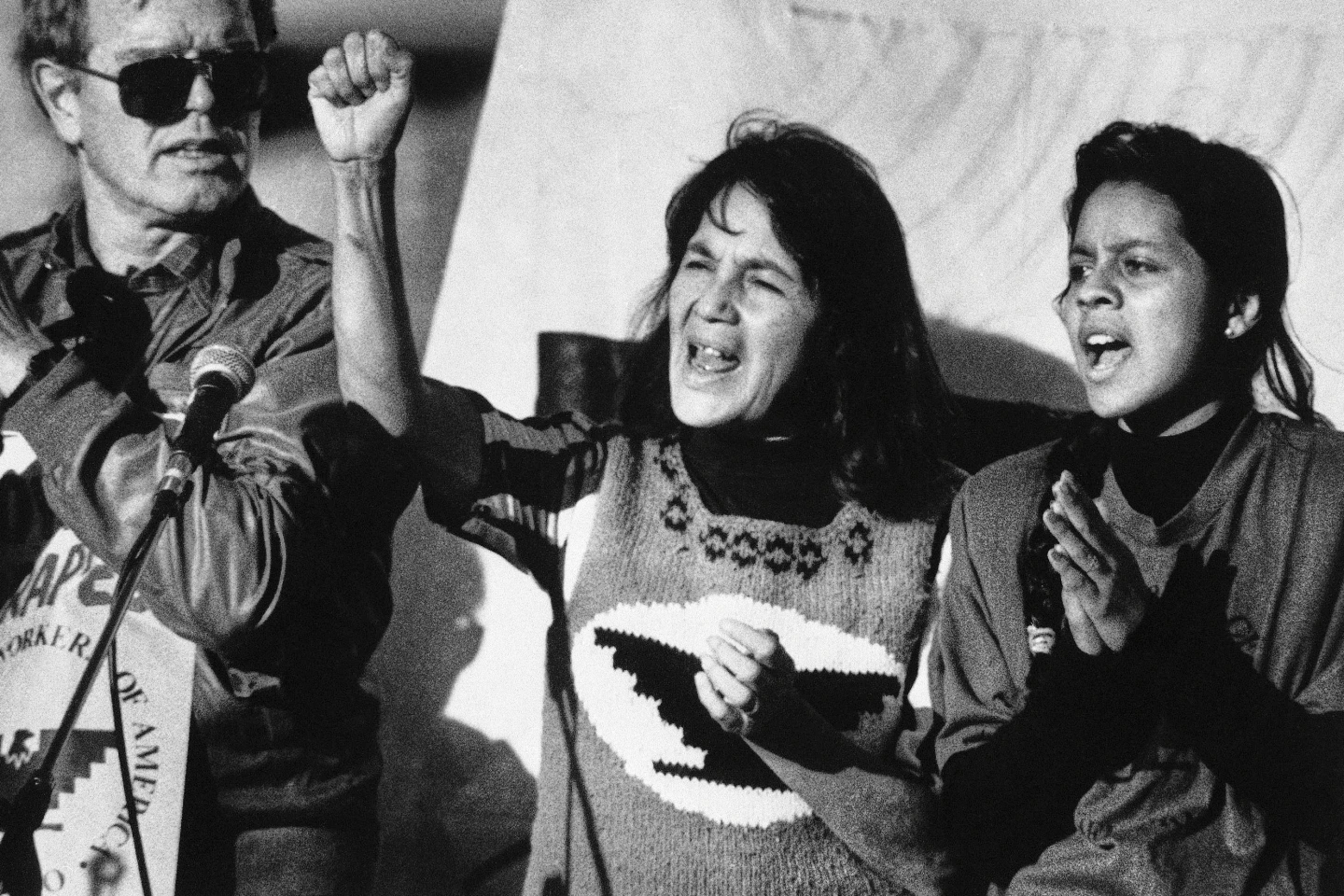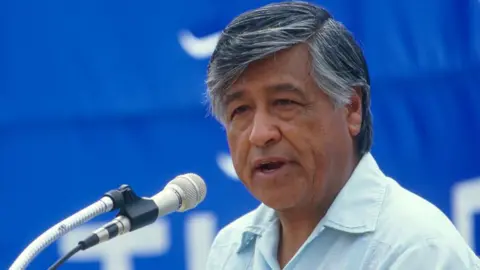
Cesar Chavez, a prominent US civil rights leader known for his advocacy for farm workers, has faced new allegations of sexual abuse. These claims were brought forth by Dolores Huerta, who co-founded the United Farm Workers union (UFW) with Chavez, stating that he manipulated and pressured her into sexual encounters during the 1960s.
The allegations surfaced following an investigation by the New York Times, which detailed similar accusations from Huerta and two additional women, all of whom reported being groomed and sexually abused by Chavez in their youth.
Chavez's family expressed being 'devastated' by the reports and commended the women for their courage in coming forward. Huerta, who is now 95, revealed that two encounters with Chavez led to pregnancies, which she concealed by arranging for the children to be raised outside her family.
Further complicating the legacy of Chavez, who passed away in 1993, are claims by Ana Murguia and Debra Rojas, who stated they were victims of his abuse from 1972 to 1977, at ages when he was in his 40s. As a direct response to the allegations, several annual events celebrating Cesar Chavez Day on March 31 have been canceled or renamed.
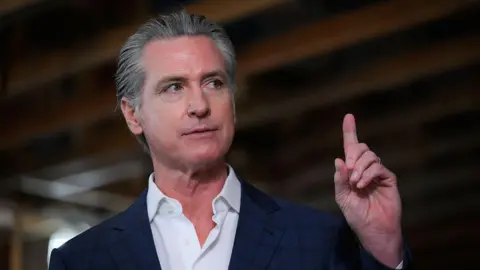
The UFW declared it will no longer participate in the celebrations, despite noting they had 'not received any direct reports' regarding the allegations. In the face of these serious accusations, California Governor Gavin Newsom emphasized that the workers' movement extends beyond any one individual while showing support for the women who came forward.
Discussion about renaming Cesar Chavez Day has emerged, with some legislators pushing for the holiday to be known as Farmworker Day. The allegations have garnered widespread condemnation, including statements from the League of United Latin American Citizens (LULAC), highlighting the need for accountability irrespective of an individual's historical significance.
In a joint statement, the Cesar Chavez Foundation acknowledged the 'disturbing allegations' and expressed shock and sadness, committing to support those who may have been harmed during Chavez's tenure as a civil rights leader.