In brief
As Donald Trump prepares for his second term, the early appointments he has announced serve as an indication of his administrative priorities, particularly on immigration and foreign relations. With a strong emphasis on limiting immigration and pushing back against China's influence, Trump is positioning himself to enact a more defined policy agenda. The president-elect has chosen a range of hardliners and loyalists for key roles, reflecting a significant shift in approach compared to his first term.
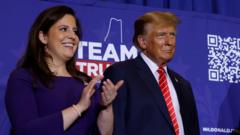
Trump's immigration efforts, led by longtime adviser Stephen Miller in a senior policy role, suggest a strategy aimed at mass deportations of undocumented migrants. This initiative includes the return of Thomas Homan, who oversaw controversial border actions, further underlining a tough stance on immigration. Critics have highlighted the potential costs and implications of such policies, but Trump brushes aside financial concerns.In foreign policy, Trump's selections, like Congresswoman Elise Stefanik for UN ambassador and Congressman Mike Waltz for national security adviser, reveal a clear focus on countering China, which Trump and his advisors view as a significant threat. Their rhetoric suggests a combative approach to US-China relations, picking up where previous tensions left off.Elon Musk's involvement in Trump's transition team indicates a merging of tech and politics, as he is tasked with advising on government efficiency, which may influence how policies are implemented in the future.Furthermore, the president’s strategy appears to emphasize strengthening presidential power, seeking to navigate around Congress through appointments that may lessen legislative influence. This approach points towards a governing style that favors executive action over collaborative political processes.Finally, an interesting aspect of Trump's new administration is the prioritization of loyalists who have supported him throughout his career, as he favors individuals with proven commitment over traditional Republican insiders. Whether this focus on loyalty translates into effective governance during his second term remains to be seen.