
In brief
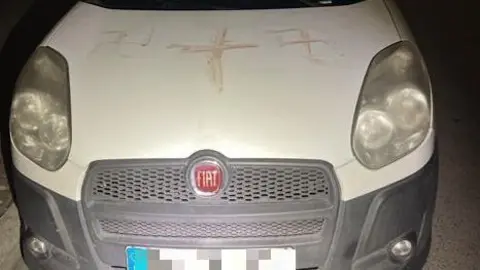
In a disturbing act of vandalism, police in Hanau, Germany, reported that about 50 vehicles were smeared with a reddish liquid, identified as likely being human blood, and marked with swastikas—symbols banned under German law. Authorities are seeking information as they investigate this shocking incident that recalls the city's tragic history with far-right violence.
About 50 vehicles have been smeared with what appears to be human blood in the German city of Hanau near Frankfurt, police say.Cars, walls, and postboxes were defaced, sometimes with swastikas, they said in a statement.Police say they were alerted late on Wednesday night when a man noticed that a car in the Lamboy district of Hanau had been smeared with a reddish liquid.The liquid had been applied in the shape of a swastika, they added.Officers then found many other smeared cars and house walls in the surrounding area.Swastikas are banned in Germany under laws banning the public display of Nazi symbols.Police say preliminary tests show the liquid was probably human blood.There is still no clue as to where it came from; officials are not yet aware of any injuries in connection with the incident, they added.Local authorities said they were trying to solve the mystery and have appealed to the public for information.Bundestag Vice President Omid Nouripour said the attack left him speechless and needed to be solved quickly.This act strikes at the very heart of Hanau and reopens the wounds of the far-right terrorist attack five years ago, he wrote on X, referring to the killing of nine people by a gunman targeting people of immigrant origin in February 2020.
