In brief
The chemical assault on Syria’s eastern Ghouta in 2013, which resulted in the deaths of 1,500 civilians, signifies a critical moment in the country's ongoing civil conflict. As Bashar al-Assad's regime faces potential war crime charges, survivors recount their harrowing experiences while still yearning for justice.
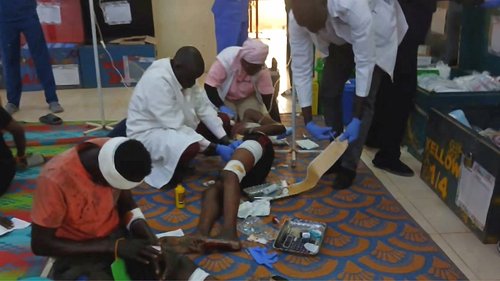
The basement of an underground medical center in eastern Ghouta, Syria, where victims of a chemical attack were treated in 2013. On a sweltering night in August 2013, a devastating barrage of rockets struck the suburbs of Damascus, heralding one of the darkest chapters in Syria's protracted civil war. The following minutes revealed a nightmare; rescuers encountering civilians choking, convulsing, and foaming at the mouth as they succumbed to a horrific attack with the nerve agent Sarin. The indiscriminate assault claimed the lives of over 1,500 individuals, including men, women, and children, who were mercilessly attacked in their sleep.Despite a previous warning from President Barack Obama about the repercussions of utilizing chemical weapons, no immediate military intervention or legal repercussions were imposed against President Bashar al-Assad or his regime. Now, in exile within Russia following his ousting due to a rebel offensive, al-Assad is facing charges of war crimes for this tragic event in a case currently being prepared in France, along with 22 of his associates. However, bolstered by Russian protection, the likelihood of him facing genuine accountability remains slim.Experts and war crimes investigators have characterized the Sarin attacks as emblematic of the brutal tactics employed by al-Assad's regime, illustrating their desperation to maintain power amid overwhelming opposition. As the survivors continue to recount the horrors of that fateful night, their quest for justice intensifies, underscoring the lasting scars of a conflict that has reshaped their nation and their lives.