In brief
Australia’s Bushfire Research Centre of Excellence is pioneering a fusion of cutting‑edge technology and millennia‑old Indigenous knowledge to anticipate and fight wildfires. Professor Marta Yebra coordinates satellite imagery that pinpoints fuel moisture with complementary ground‑level insights from Indigenous elders, creating a robust early‑warning system. The initiative demonstrates how cultural burning—controlled low‑intensity fires—can keep fuels at manageable levels, a practice that is now being shared with European countries facing similar threats. As El Niño season looms, the partnership offers a global model for resilient fire management.
Professor Marta Yebra of the Bushfire Research Centre of Excellence has spent years using Brazil‑style drones and satellite heat‑mapping to predict where bushfires might spark in Australia’s vast, timber‑heavy landscapes.
What sets Australia apart is the complementary knowledge that has been refined for over 60,000 years by Indigenous communities. Elders teach practitioners how to read the colour, scent and cover of plants as real‑world indicators of fuel load and moisture content. When Yebra’s team overlays satellite data with these ground observations, a clearer picture of imminent fire risk emerges.
The two sources—high‑resolution imagery that detects fuel‑rich zones and Indigenous fire‑reading techniques that interpret landscape signals—proved remarkably consistent. “We found a remarkable agreement between the on‑ground assessment and the satellite data,” Yebra notes, underscoring how ancient wisdom and modern science can co‑operate.
Indigenous practice of cultural burning involves setting controlled, low‑intensity fires to keep fuel levels low and spread unpredictable. In Australia, this technique has evolved into large‑scale prescribed burns, often carried out in cooler months to reduce the likelihood of catastrophic wildfires overlapping residential areas. The method is gaining traction overseas, with European fire managers citing Australian experience as a valuable reference.
Recent deployments of Australian fire crews to Canada’s Alberta wildfire crisis introduced back‑burning tactics that were previously uncommon in Canadian operations. “Backburning has become much more advanced in 2024,” says firefighter Damian Hatfield, noting how Canadian crews now readily adopt the approach.
Drone technology is revolutionising on‑scene assessment. Specialists can launch a drone, gather high‑resolution aerial views of fire fronts, and decide on interventions before larger helicopters arrive. Drones also deliver heavy fire‑suppression gear, trigger controlled burn operations, and map post‑fire damage—all while keeping human crews safer.
The timing of the summer is critical; forecasters warn a strong El Niño may bring higher heat, lower rain, and greater bushfire risk. Yebra’s centre is already exploring new fuel‑moisture parameters to refine early detection models. “Our next fire season looks like it could be difficult,” she anticipates.
The synergy of Indigenous tradition and technology illustrates the power of cross‑cultural partnership for climate resilience. As Australia’s fire seasons start earlier and last longer, global fire agencies are increasingly reaching out for shared knowledge and resources.
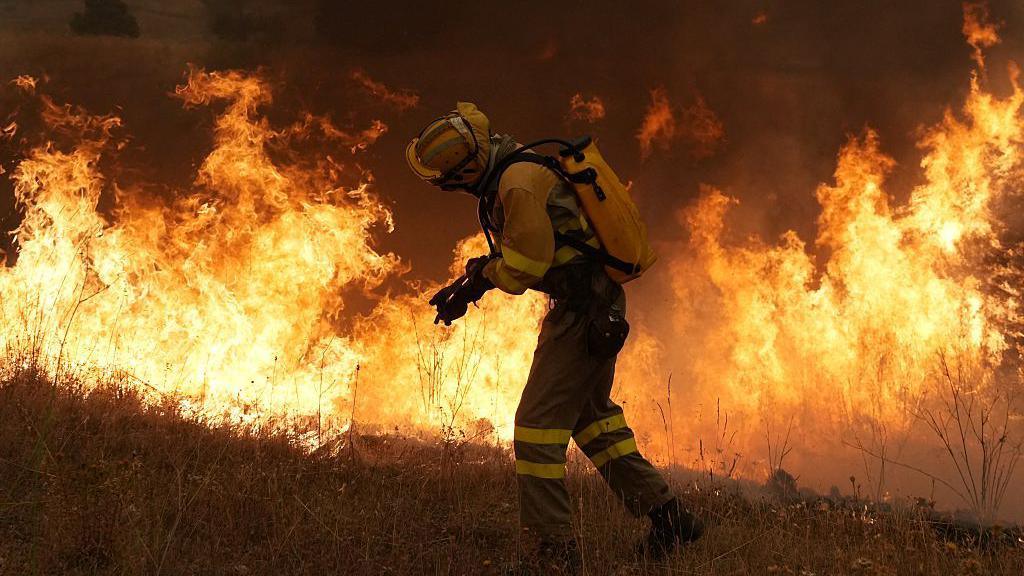
For the first time, France has called on Australian firefighters to mitigate record‑breaking wildfires. This move reflects a growing trend where international firefighting teams collaborate, creating a network that spans oceans and continents.
In sum, Australia’s approach—combining satellite fuel‑moisture data, Indigenous fire‑reading, cultural burning, and drone surveillance—offers a replicable model for nations confronting a future of more frequent, intense wildfires. By letting the planet “speak” through both high‑tech sensors and ancestral insight, fire‑fighting agencies around the world can build smarter, faster responses to the fire crisis that threatens the planet’s future.