In brief
In a breakthrough after decades of silence, Munich prosecutors have named the 25‑year‑old neo‑Nazi who set a Jewish retirement home on fire in February 1970, killing seven elderly Holocaust survivors. The suspect, who later died in 2020, confessed to hatred in the moments before the blaze. While justice for the victims will be limited by the suspect’s death, the revelation offers closure to a historic atrocity. The case underscores the persistence of antisemitic violence in post‑war Germany and the challenges of long‑term investigations.
After six decades of silence, investigators have pinpointed the arsonist behind the 1970 blaze that killed seven Holocaust survivors in Munich’s Jewish retirement home.
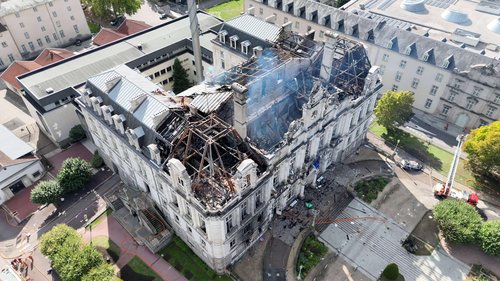
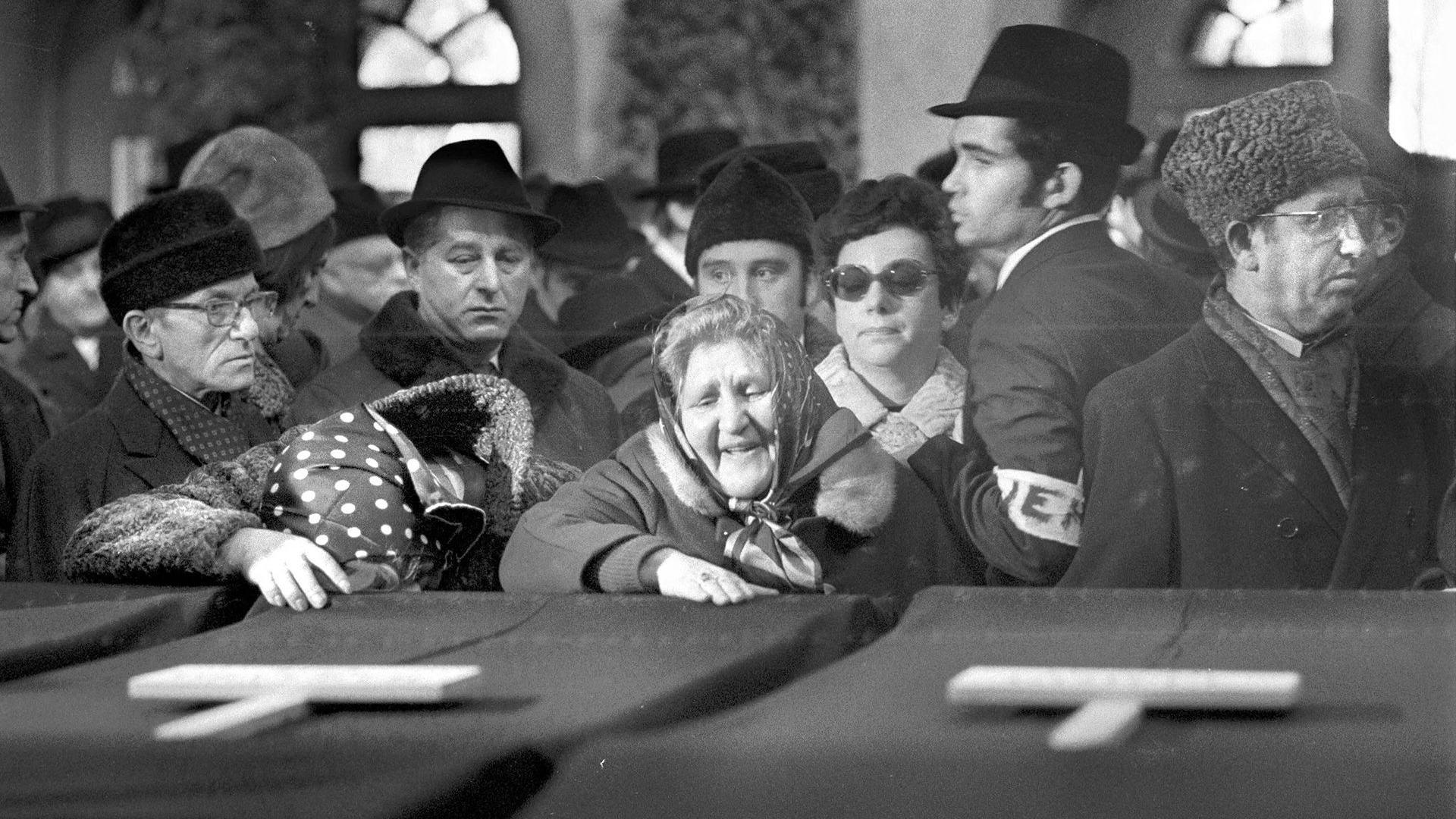
On February 13, 1970, a 25‑year‑old neo‑Nazi poured petrol into the wooden stairwell of a building on Reichenbachstraße that housed the Jewish community’s retirement home. He set it aflame, causing a rapid spread that forced many residents and staff to escape to the roof or be rescued by firefighters. Four people perished in the stairwell and a seventh died after leaping from a window.
The suspect, later identified as Bernd V, was known for his antisemitic views and had a juvenile conviction for detonating two telephone kiosks. Witnesses recalled a “Hitler‑fixation” and a statement that “the Jews had everything – I wanted to set them on fire.”
A female witness—who emerged as a key source years after the suspect’s death—relayed that a failed burglary raid had inflamed Bernd V’s rage. Her relative, a former burglary gang member, testified that the botched raid triggered the arson. The information, corroborated by family members, gave prosecutors “compelling grounds” to link the deceased to the crime.
The case had been closed in 2017 due to insufficient evidence, only to be reopened in 2023. Despite the presumption of innocence still holding, the authorities stress that no reliable evidence points to another participant in the attack.
The identification of the arsonist offers long‑awaited closure for the families of the victims, but the tragedy will likely remain a historic failure of police action.