In brief
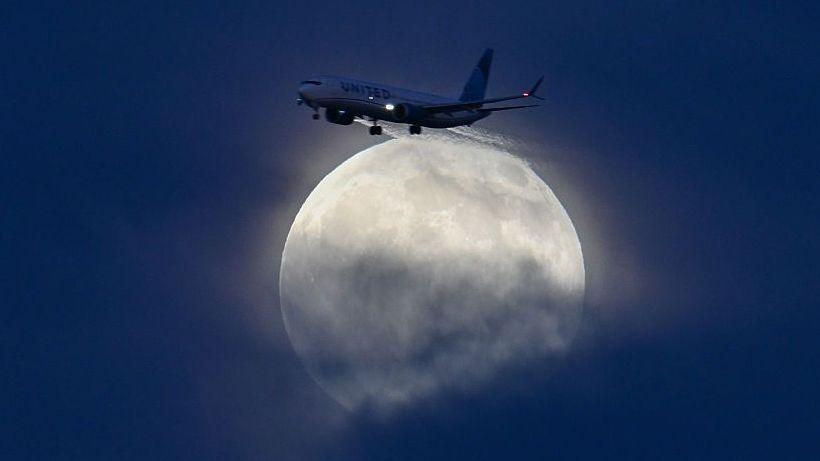
The full Moon of October 2026, known as the Hunter's Moon, illuminated skies worldwide, drawing photographers and stargazers alike. Historically, this name harkens back to a time when hunters relied on the moonlight for tracking game after the Harvest Moon. Scientists explain the moon’s bright, sometimes orange glow as a result of atmospheric scattering of blue light. The article showcases a montage of images from San Francisco, Istanbul, New York, and the English countryside, illustrating how the same celestial body can appear dramatically different depending on location and atmospheric conditions.
The October full Moon lit up skies around the world this weekend, capturing the imagination of casual observers and serious astronomers alike. Full moons throughout the year have traditionally been given names that reflect what is happening in nature, and this particular one is known by several names, including the Hunter's Moon and the Eight‑day Moon of the Northern Hemisphere.
The Hunter's Moon is renowned for its long presence in the sky, giving hunters—especially before the advent of electric lights—extra illumination after the Harvest Moon. While most people recognize the moon’s bright appearance, few understand how the atmosphere sculpts its look. When the Moon is low, the scattering of short‑wavelength blue light in a long path through the air can make it appear orange or reddish—a phenomenon clearly seen in images from Istanbul, New York and the English countryside.
Amateur photographers from around the globe, from San Francisco to the hills of Derbyshire, submitted some of the most striking images of the event. These snapshots illustrate not just the scientific colour shift but also the cultural context—hunter lifestyle, folklore and the timing of seasonal harvests that still influence how people name and celebrate each lunar cycle.
For astronomers, the Hunter's Moon is a convenient reminder that every full Moon presents an opportunity to study atmospheric physics. By measuring the colour and brightness changes as the Moon rises, scientists can infer the amount of aerosols and air pollution in local air masses—a key data point for long‑term climate monitoring.
Whether you’re a seasoned sky‑watcher or someone drawn by the romantic glow in native photos, the Hunter's Moon of October 2026 provides a unique blend of history, science and artistic beauty. It reminds us that celestial events are integrated into our cultural calendar, yet they also serve as windows into the workings of our planet’s atmosphere.
Related Articles