In brief
Political analysts draw comparisons between President Trump's judicial strategies and those of global autocrats, highlighting his tendency to directly confront judicial authority in an unprecedented manner that could foster democratic backsliding.
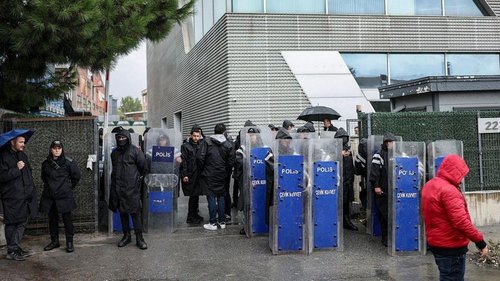
President Trump is exhibiting an uncommon level of hostility towards the federal courts that experts argue exceeds similar tensions in other nations grappling with authoritarianism. According to political scholars, including Harvard's Steven Levitsky, the current situation poses a more serious threat than trends observed in countries such as Hungary and Turkey, where leaders typically take years to undermine judicial institutions.Levitsky notes that most autocratic figures prefer to methodically dismantle judicial power by placing loyal judges in critical positions or implementing legal changes that undermine judicial authority. However, Trump’s approach seems to skip this step altogether, as he appears to view judges as too weak to challenge his authority effectively.For instance, Turkey’s President Erdogan has methodically purged judges over many years to consolidate his power, especially following the 2016 coup attempt, which provided a pretext for his actions. Similarly, Hungary's Prime Minister Orban has executed a prolonged campaign to fill the courts with judges sympathetic to his political ambitions, involving constitutional amendments and forced retirements.Experts stress that President Trump’s direct refusal to adhere to judicial orders presents serious concerns for the rule of law and democratic ideals. This trend of overt defiance could signify a dangerous shift in the way democracies function, raising alarms about the health of the American judiciary and the broader implications for civil liberties and institutional integrity.