In brief
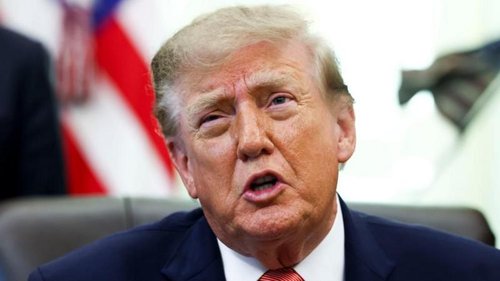
In a moment of heightened tension, several Latin American leaders voiced their apprehensions in response to Donald Trump’s inauguration. Prior to taking office, Trump had made headlines with his controversial immigration plans, stating intentions for extensive deportations and border militarization. He notably targeted Mexico, where he insisted that migrants and drugs flooded into the United States, and heightened threats of imposing significant tariffs.
In the immediate wake of Trump’s inauguration, the standard congratulatory messages from leaders in Latin America were complemented by a tone of defiance. Mexican President Claudia Sheinbaum, during a press conference, made a significant statement: “There is no reason why Mexico should keep its head down or feel lesser than. We are a great country, a cultural power.” This assertion highlighted Mexico's demand for an equal standing in its relationship with the United States, a stance echoed by other regional leaders who find themselves facing the repercussions of Trump's incoming policies.Sheinbaum's comments were a direct assurance to unauthorized Mexican nationals in the U.S., estimated to be around four million, affirming their importance to the American economy. “Mexicans are very important to the U.S. economy, and the Trump administration knows it,” she declared, aiming to offer a sense of calm to those potentially impacted by Trump’s promises of deportations.The sentiments shared reflect a significant shift from past diplomatic norms, signaling potential challenges ahead in U.S.-Latin American relations under Trump's administration. As leaders prepare for an era marked by policy uncertainties, their responses reveal a landscape of both caution and firm resistance to perceived threats against their nations.