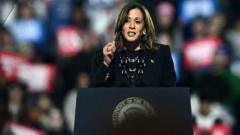
Kamala Harris’s recent campaign for the presidency has ended in a significant defeat, prompting introspection among her supporters and Democratic leaders. The former vice president's loss to Donald Trump highlighted several flaws in her approach and strategy, leaving many to ponder whether her candidacy was inherently flawed or if external factors played a more substantial role.
During a high-profile appearance on ABC's The View, Harris aimed to bolster her image but instead faced backlash for declaring there was "not a thing" she would do differently from President Biden. This statement ignited criticism and became fodder for Republican attacks, signaling the uphill battle she faced in convincing voters of her distinct vision. Following her concession speech, Harris urged supporters not to lose hope, but many were left to contemplate where her campaign went wrong.
As Harris embarked on her campaign, she was held back by the unfavorable perception of President Biden. Despite her initial promise of transformative leadership centered on women's rights and economic issues, the lingering dissatisfaction with Biden's presidency overshadowed her campaign. Harris sought to connect with a diverse voter base, yet her efforts to revitalize Biden's 2020 coalition fell flat. She experienced significant declines in support from key demographic groups including Latino, Black, and younger voters.
Critics of her campaign suggest that her unwavering loyalty to Biden was a miscalculation. While some of her allies advised a more independent stance, others expressed concern that this would generate attacks of disloyalty from Republicans. Harris attempted to navigate this precarious balance without clearly defining her unique policy directions, leaving voters confused about her stance.
The economic crisis proved particularly detrimental, with many American families feeling financial strain, a sentiment echoed in surveys indicating voters’ growing concerns about rising grocery prices and immigration. While Harris prioritized issues like reproductive rights, her appeal to women voters was insufficient to compensate for the losses elsewhere, as evidenced by lower turnout among suburban women.
Harris's strength initially emanated from her ability to inspire a young and diverse voter base; however, as the election approached, her campaign's narrative shifted towards a focus on Trump rather than her vision for the presidency. Veteran Republican pollster Frank Luntz noted that by concentrating on trumpeting Trump’s flaws, Harris failed to communicate her own plans and aspirations, leaving voters craving more substantive proposals.
In summary, it appears that Kamala Harris's campaign stumbled due to an amalgamation of unfavorable perceptions, a faltering economy, and a shift in focus from presenting her vision to attacking her opponent. As Democrats reflect on this defeat, questions abound about the party's future direction in the face of wider systemic issues.