In brief
In light of Lebanon's recent political developments and mounting tensions along the Syrian border, Prime Minister Najib Mikati's visit to Damascus marks a pivotal moment in the evolving relationship between the two nations. This visit not only establishes communication with the new Syrian government led by Ahmad al-Shara, but it also addresses immediate security concerns following clashes that wounded several Lebanese soldiers.
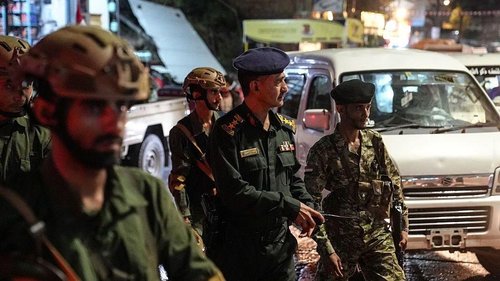
Last Saturday, Prime Minister Mikati made his first official trip to Syria’s capital, where he engaged in discussions with al-Shara, who heads Hayat Tahrir al-Sham, an Islamist organization that recently overthrew Bashar al-Assad’s long-standing regime. This meeting follows the recent election of Joseph Aoun as president of Lebanon, a position that had been vacant for two years, creating a backdrop of political transition and uncertainty.The clash along the border, involving fire from Syrian militants directed at Lebanese soldiers responding to the illegal activity at a crossing point, underscores the fragile security situation in the region. Lebanon, concerned about the spillover of Syria's civil conflict, is eager to establish a stable and cooperative framework with its neighbor to prevent further unrest.As Mr. al-Shara assumes leadership amid the chaos that has engulfed Syria for 14 years, he faces the dual challenge of restoring order in the war-torn country while managing external relations with Lebanon. With the backdrop of a newly elected president, contemporary leadership changes in both nations could lead to a critical recalibration of their interactions amidst lingering regional tensions.