In brief
The introduction of alcohol-free wine in France is transforming the wine industry, with producers like Frédéric Brochet spearheading this shift. The trend capitalizes on evolving consumer preferences, particularly among younger generations, as technological advancements facilitate better-quality non-alcoholic options. Despite backlash from traditionalists, the growing market for non-alcoholic wines reflects a broader cultural shift that seeks to include non-drinkers in wine appreciation.
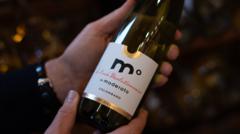
In the renowned vineyards of Bordeaux, a once unthinkable idea has gained traction: the production of alcohol-free wine. What was previously viewed as a scandal in the wine-making world is now becoming a celebrated reality, driven by scientific advancements and changing consumer behavior amid economic challenges.Oenologist Frédéric Brochet, who has played a pivotal role in developing the Moderato range of no-alcohol wines, acknowledges the skepticism surrounding these products. "When we began, our early attempts were frankly not up to par," he admits. "However, we have come a long way, and we are on the verge of a revolution in the wine sector."Reflecting this newfound acceptance, Bordeaux has recently opened its first wine shop dedicated solely to alcohol-free options. Alexandre Kettaneh, owner of Les Belles Grappes, has witnessed an influx of inquiries from local wine-growers who are eager to dive into this burgeoning market. “Since our launch just a month ago, local winemakers are coming to us, wanting to learn about non-alcoholic varieties,” Kettaneh shared.Several factors have contributed to this momentum. The French wine industry faces declining domestic sales and an unpredictable international market, prompting vineyards to seek alternatives. Young consumers are increasingly conscious of health, leading to a rising demand for non-alcoholic beverages. Currently, alcohol-free options make up 10% of the French beer market, showing a clear trend.Technological advancements also play a crucial role. Traditional methods of removing alcohol through boiling were often inadequate, resulting in lackluster products that could not legitimately be labeled as wines. However, modern techniques, such as low-temperature vacuum distillation and aroma capture, are enabling producers to create high-quality, legally recognized wines without alcohol.While Brochet emphasizes the unique experience offered by non-alcoholic reds, noting the current limitations in replicating the full mouthfeel of traditional wines, he assures consumers of an authentic experience that remains enjoyable. “You’ll still find the bouquet, tannins, and balance that define wine,” he asserts.At Clos De Bouard near Saint-Emilion, third of sales have shifted towards their alcohol-free offerings, illustrating the growing acceptance within the industry. Owner Coralie de Bouard, who faced familial and industry backlash for introducing non-alcoholic wine, is now seen as a pioneer by her peers. “Initially, my family was outraged, but now the sentiment has shifted to acknowledgment of this necessary evolution,” she explained.The resistance to change is palpable among traditional winemakers. Bernard Rabouy from the Bordeaux Families cooperative acknowledges the struggle of purists to accept these developments but insists on the need for adaptation. "Customers are changing; we must also learn to meet their needs, or risk losing them,” he stated.Advocates for alcohol-free wine are keen to promote inclusivity, allowing non-drinkers to participate in social wine experiences. Kattaneh articulates this vision: "We aspire to recreate an atmosphere reminiscent of our youth, where wine was a communal experience."Brochet reflects on the nature of tradition, emphasizing its evolving character. “Every innovation, from the barrel to grape varietals, has once been new. This shift could revitalize not just the industry, but also the cherished culture surrounding it.” As poet Paul Valery once articulated, "What is tradition, but an innovation that succeeded?"