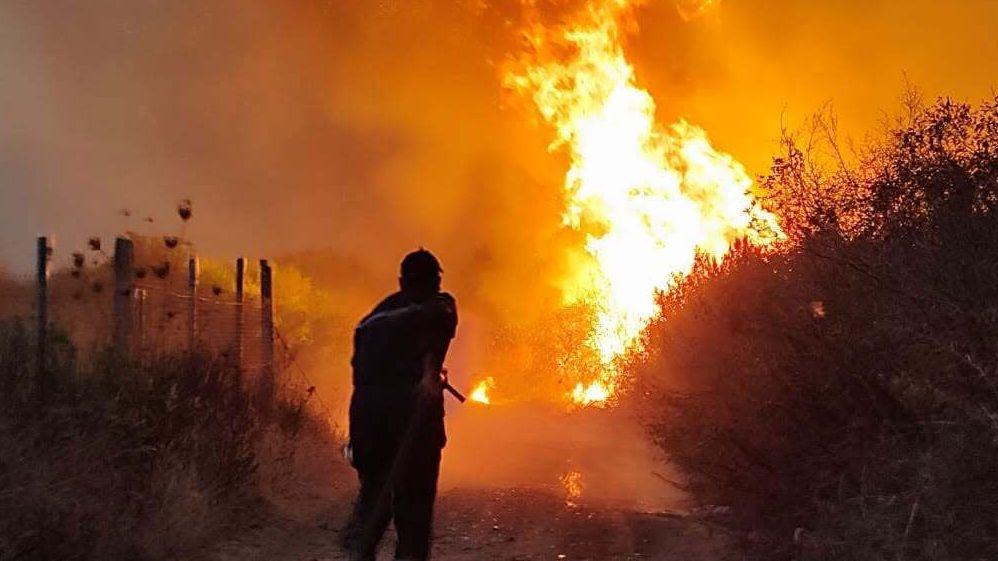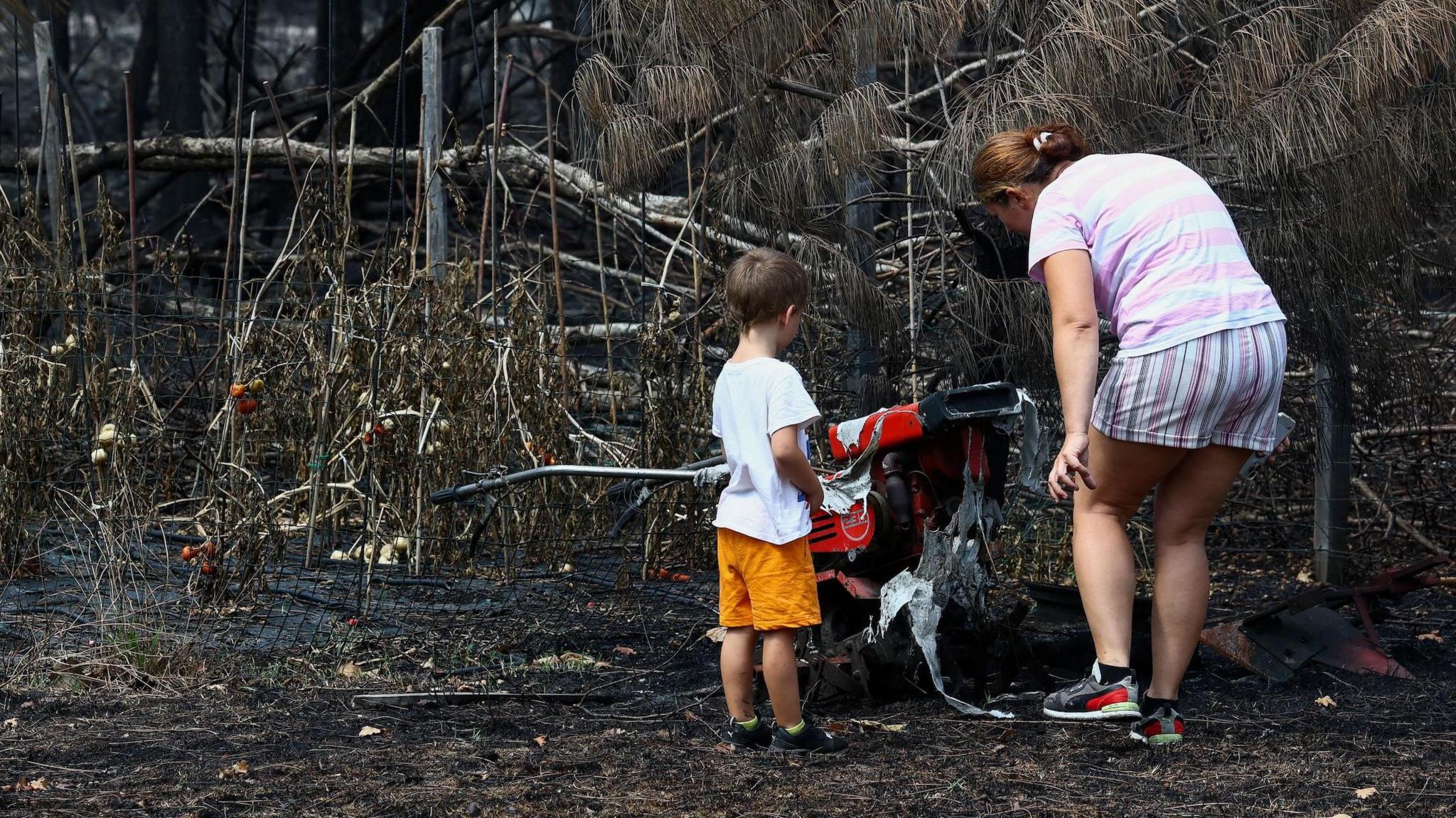
The recent wildfire that ravaged the southern French village of Le Porge in the Gironde department has revealed a startling discovery – a cache of around 400 unexploded shells and munitions dating back to World War II.
Local fire commanders reported that the blasts initially thought to be exploding gas cylinders were, in fact, buried WWII ammunition detonated by the intense heat of the fire. Mayor Martial Zaninetti told French news outlet France Info that he heard more than a hundred explosions on the second night of the blaze, comparing the soundscape to that of a battlefield.
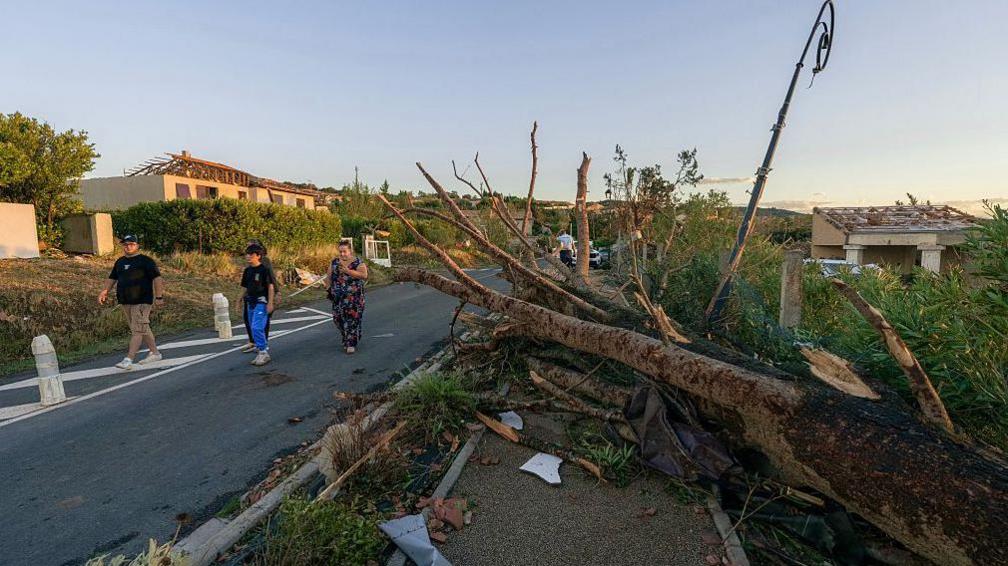
The munitions, a mix of German and French shells—including mortar and anti‑tank variants—were originally stored beneath the municipality’s land. Depending on the depth and type, some shells detonated violently, even shattering a house in the process.
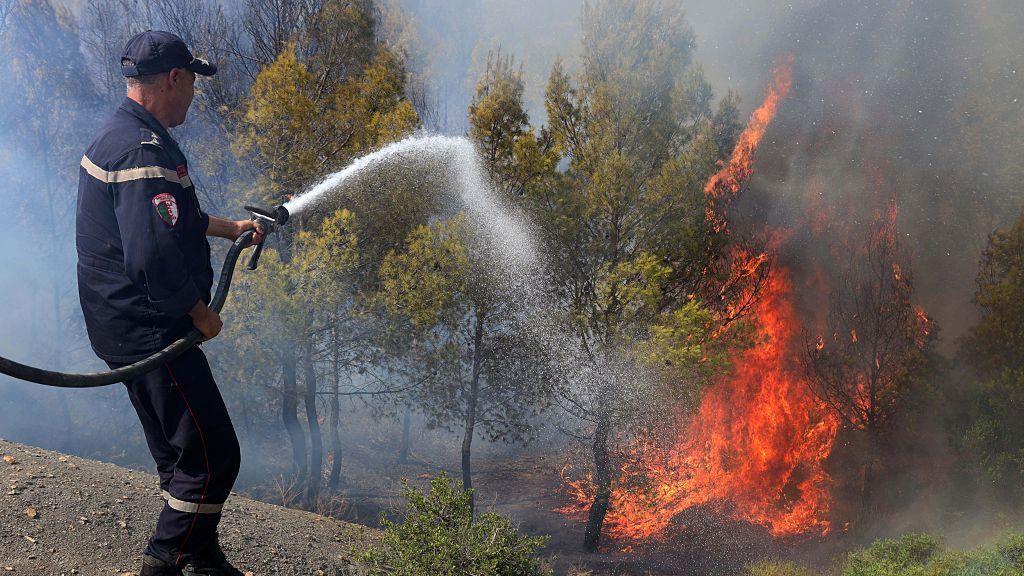
Following the discovery, de‑mining crews have worked tirelessly across the area, allowing most residents to return to their homes. However, certain zones, such as the ocean access points, a nearby campsite, and the village of La Jenny, remain closed to the public for safety reasons. The fire ultimately destroyed over 180 houses, leading to significant evacuations before authorities could bring the blaze under control after about ten days.
Prime Minister Sébastien Lecornu praised firefighters for their efforts, noting that France has stood firm in the face of an unprecedented crisis. He highlighted that the battle against the fires in the Gironde region has entered a “new phase” as evacuated residents gradually return.
France’s extensive wildfire response this summer was one of the most significant in European history, with more than 330,000 people initially evacuated from the southwestern region where 42,000 hectares were scorched.