In brief
The rejection signals ongoing tensions between Boeing management and its workforce, which complicates the company's recovery from significant financial losses.
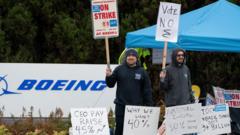
In a decisive show of solidarity, striking workers at Boeing have rejected a pay rise offer that included a substantial 35% increase over a four-year period. The International Association of Machinists Aerospace Workers (IAM) reported that 64% of its members involved in the strike voted against the proposal. This significant decision comes amidst ongoing labor unrest, with over 30,000 of Boeing's workforce participating in the strike, which began on September 13 after the union deemed an earlier offer unsatisfactory.The rejection of the pay raise comes just hours after Boeing’s CEO, Kelly Ortberg, addressed the company's current predicament, noting that the firm faced a "crossroads" as financial losses escalated to around $6 billion. Union representatives expressed their determination, stating, “After 10 years of sacrifices, we still have ground to make up,” and highlighted the importance of workplace democracy and the repercussions of years of mistreatment of staff.This marks the second time striking workers have formally declined a proposed agreement, following the earlier rejection of a previous deal by an overwhelming 95% of members. Ortberg, who has been in his role since August, acknowledged efforts to stabilize Boeing while confronting issues of manufacturing and reputational damage stemming from several incidents, including a notable in-flight engine failure and setbacks in the firm’s space business.The strike has further intensified the challenges faced by Boeing, contributing to a marked reduction in production capabilities. Ortberg admitted that the company is burdened with excessive debt and operational shortcomings that have disappointed customers across its commercial and defense segments. The commercial aircraft division recently reported operating losses nearing $4 billion over the last quarter, compounded by nearly $2.4 billion in losses from the defense division.Experts, including S&P Ratings analyst Ben Toscanos, recognized the critical need for Boeing to resolve the labor dispute as a preliminary step towards recovery. Although Ortberg mentioned a backlog of approximately 5,400 aircraft orders as a sign of potential recovery, he cautioned that restarting operations post-strike will pose significant challenges. He emphasized the necessity of executing a meticulous plan for returning employees to work efficiently, also noting that the company had previously announced intentions to reduce about 10% of its workforce. With many staff members already facing furloughs due to the ongoing strike, the outlook remains complicated. Ortberg underlined his commitment to fostering a cultural overhaul within the organization, aiming to better identify and resolve ongoing issues collaboratively.