In brief
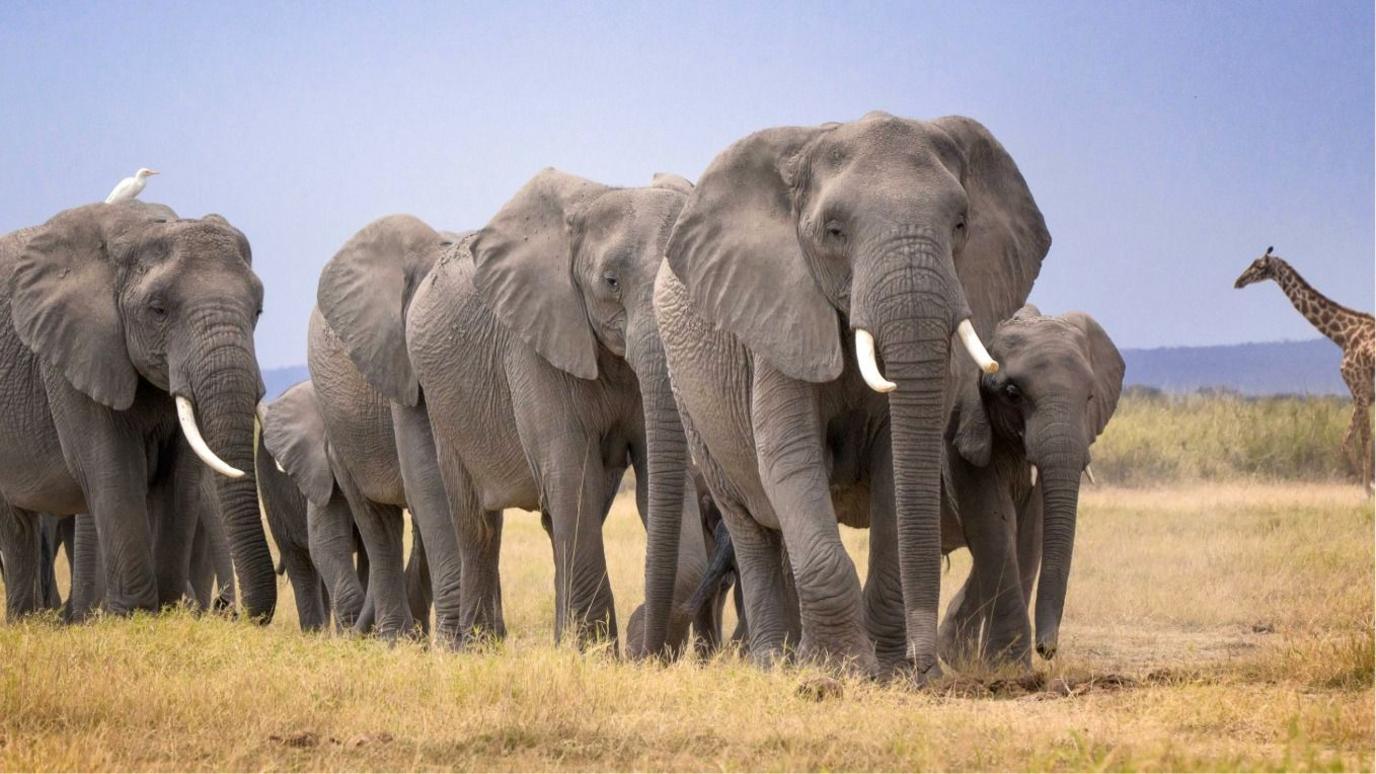
The Kenya Wildlife Service has begun a detailed investigation into the sudden deaths of fourteen elephants in the Amboseli region of southern Kenya. Carcasses from different ages and sexes have been discovered up to 30 km from the park’s border, suggesting a widespread problem rather than a single incident. Scientists are analysing tissue samples for disease, poisoning or environmental factors, but early reports show no single cause. The deaths come amid strong anti‑poaching measures and a stable elephant population of roughly 2,000 in the ecosystem.
The Kenya Wildlife Service (KWS) has launched a comprehensive inquiry into the sudden deaths of fourteen elephants found near Amboseli National Park in southern Kenya.
The bodies, discovered from nine to thirty miles away from the park’s boundaries, belong to elephants of various ages and sexes. This points to a problem that is not limited to one family or demographic group.
KWS is analysing tissue samples at specialist labs to determine if disease, poisoning or another factor caused the deaths. At this stage, no definitive cause has been identified.
The Amboseli ecosystem, which straddles the border with Tanzania and is home to an estimated 2,000 elephants, had experienced a significant reduction in large‑animal deaths after strong anti‑poaching campaigns. The current incident marks the first time in decades that such a large number of elephants have died in this area.
Furthers information is expected as the investigation continues, with KWS maintaining that all adverse factors will be examined to protect the region’s wildlife.