In brief
The unusual and confrontational stance of US Vice President JD Vance during his meeting with Ukrainian President Volodymyr Zelensky has raised eyebrows and prompted speculation about Vance's future role in American politics, his views on foreign aid, and his alignment with Trump's political agenda.
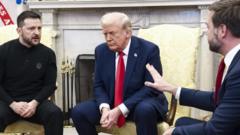
In a striking display of assertiveness, US Vice President JD Vance took a prominent role in challenging Ukrainian President Volodymyr Zelensky during a recent Oval Office meeting, an outcome that defied the typically supportive and understated demeanor expected from vice presidents. This encounter, which began amiably, quickly escalated following Vance's remarks commending President Trump for pursuing what he termed a "diplomatic solution" to the ongoing Ukraine-Russia conflict. Zelensky's incredulous response, questioning Vance’s notion of diplomacy, marked the beginning of a rapid-fire exchange. Vance's blunt assertion that Zelensky's presence was disrespectful, given the context of implied litigation before the media, set a combative tone. He even went so far as to criticize Zelensky for perceived endorsements of Democratic candidates during the electoral campaign.This unexpected confrontation resonated with several Republican lawmakers who praised Vance's boldness. South Carolina Senator Lindsey Graham expressed pride in Vance's defense of American interests, while Alabama Senator Tommy Tuberville disparaged Zelensky personally, reflecting a growing party sentiment in support of Vance's stance. However, Congressman Mike Lawler cautioned that the meeting squandered a vital opportunity to strengthen US-Ukraine relations.Historically, vice presidents have been seen as loyal partners, supporting the president without causing upheaval. Comparatively, Vance’s aggressive tactics diverge sharply from the previous administration's representation by Mike Pence, marking a departure from conventional norms and adopting a more combative approach.Vance has long voiced skepticism over US involvement in Ukraine, even downplaying the significance of the conflict during his Senate campaign. This skepticism arguably aligns him closer to Trump's isolationist foreign policy ethos. Despite occasional doubts about Vance's candidacy for future presidential nominations, he firmly positions himself as a key supporter of the Trump ideologue.Moreover, Vance's role has expanded beyond mere vice-presidential duties, as he recently assailed European leaders at a conference, critiquing their handling of immigration and free speech. His remarks were met with dismay, showcasing a new ideological aggression that signals a shift in America’s approach to allies.While speculation circulates regarding whether Vance's criticism of Zelensky was planned or represents a new role within the Trump administration, one thing is clear: JD Vance is crafting a political identity that goes beyond his current position, potentially preparing for a significant electoral future as he rallies conservative support.