In brief
The upcoming papal conclave carries significant implications for the direction of the Roman Catholic Church, particularly as African Catholics make up a growing portion of its membership.
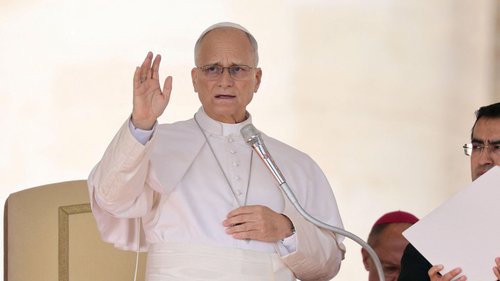
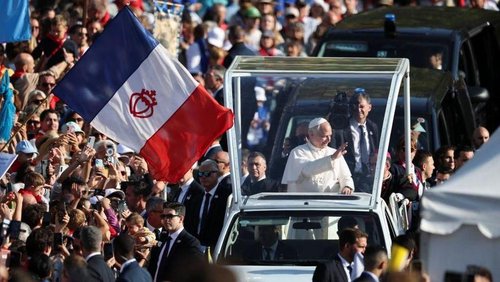
In the landscape of global Catholicism, Africa stands out as a beacon of growth and potential influence. The continent, home to approximately 280 million Catholics—almost one-fifth of its population—has seen significant increases in its church membership over recent years. This burgeoning demographic profile is garnering attention as the Catholic Church prepares for a pivotal moment: the election of a new pope following the death of Pope Francis.Pope Francis has consistently demonstrated his commitment to the African faithful. His visits to various nations, including his participation in a Mass infused with Congolese traditions at St. Peter’s Basilica, have deepened his association with the continent. This commitment resonates particularly strongly with leaders and followers alike in Africa, as Cardinal John Onaiyekan, former archbishop of Abuja, Nigeria, noted. His Latin American background has fostered an understanding and empathy for Africa's unique challenges, as the continent grapples with issues often shaped by external influences.As the conclave in the Vatican nears, the reality of Africa's demographic ascent cannot be overlooked. Over half of the 13 million Catholics who joined the Church last year were African, a striking indicator of the continent's growing relevance in church governance and decision-making processes. In the coming days, cardinals from around the world will reconvene in the Sistine Chapel, pondering the direction of a church that is more African than ever. Questions regarding the next pope's geographic and cultural origins are paramount, especially considering that the future of the Church may hinge on the representation and perspective from Africa.With the balance of power in Catholicism leaning increasingly towards African nations, the papal conclave is poised to be a momentous and historic turning point. The decisions made in this conclave will not only shape the future leadership of the Church but also how it engages with vital global issues such as migration, peace, and poverty—central themes deeply embedded in the African experience.